What This Document Is
This is a lecture-style resource focusing on the fundamental principles of plasticity in materials science, specifically within the context of a Thermal-Mech Behavior of Materials course. It delves into the mechanics of plastic deformation in crystalline materials, exploring how and why materials permanently change shape under stress. The core of the material centers around the role of dislocations – line defects within the crystal structure – and their behavior under applied forces. It’s designed for upper-level undergraduate students in materials science and engineering.
Why This Document Matters
This resource is invaluable for students seeking a deep understanding of how materials respond to stress beyond their elastic limit. It’s particularly helpful when studying the relationship between a material’s microstructure and its macroscopic mechanical properties. Students preparing for exams on deformation mechanisms, or tackling assignments involving stress analysis and material selection, will find this a strong foundation. It’s also beneficial for anyone wanting to predict material behavior in real-world engineering applications. Understanding these concepts is crucial for designing reliable and durable components.
Common Limitations or Challenges
This material presents a theoretical framework for understanding plasticity. It does *not* offer step-by-step calculations for specific material scenarios, nor does it provide experimental data or case studies. It assumes a foundational knowledge of materials science concepts like crystal structures, stress, and strain. It also doesn’t cover advanced topics like creep or fatigue, focusing solely on the immediate plastic response to applied loads. It is a focused exploration of core principles, not a comprehensive overview of all plasticity phenomena.
What This Document Provides
* An exploration of the connection between dislocation movement and plastic deformation.
* Discussion of how crystal orientation influences material response to stress.
* Introduction to the concept of resolved shear stress and its calculation.
* Examination of slip systems in common metallic crystal structures (FCC, BCC, HCP).
* Analysis of factors affecting dislocation mobility, including stacking fault energy and applied forces.
* Insight into the influence of temperature and material composition on critical resolved shear stress.
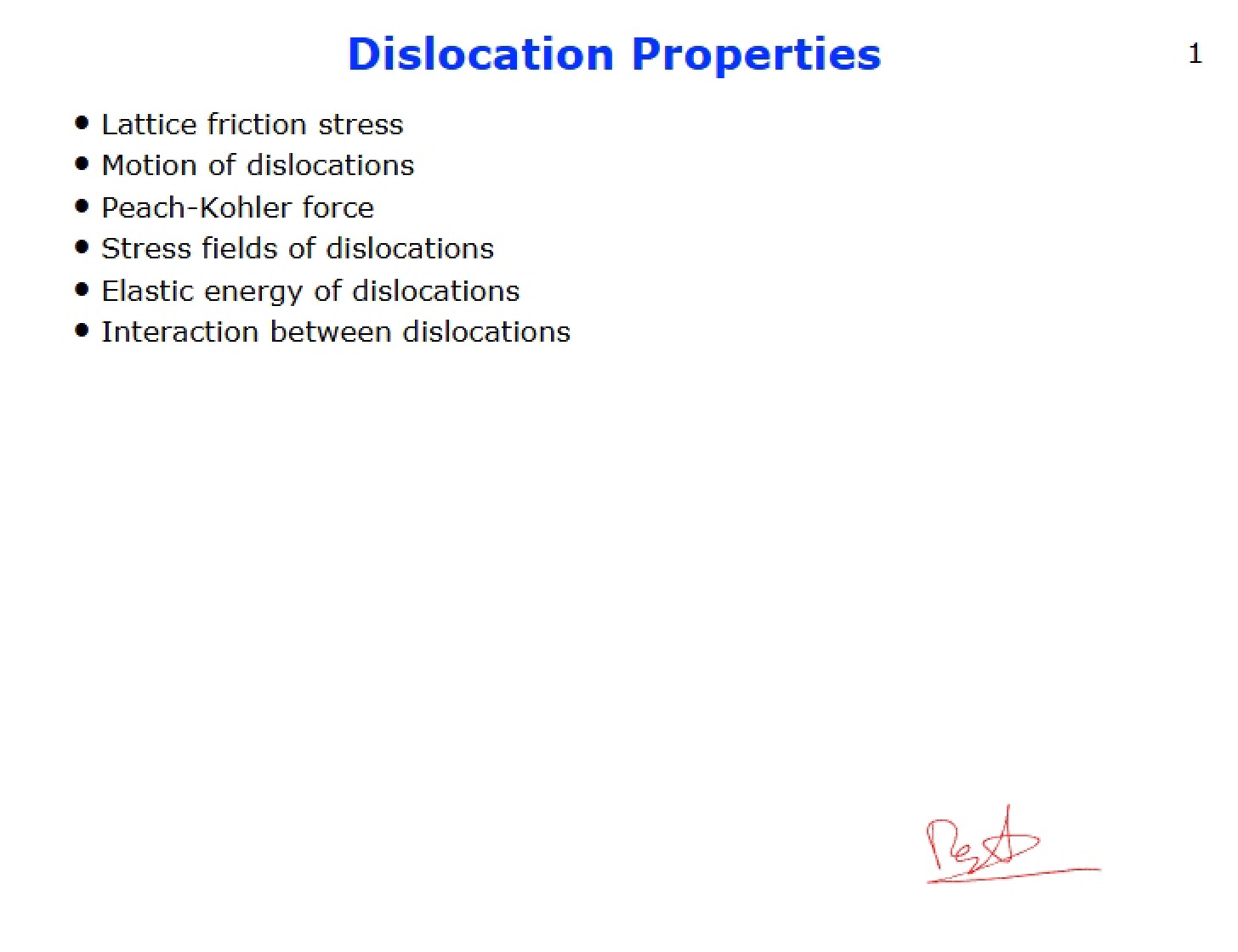
* Explanation of concepts like the Peach-Kohler force and its role in dislocation motion.