What This Document Is
This resource is a focused exploration of fundamental programming concepts within the context of a Data Structures course (CS 225) at the University of Illinois at Urbana-Champaign. Specifically, it delves into the crucial topic of pointers and their application in object-oriented programming. It appears to be a lecture-based material, likely presented on January 26, 2015, and builds upon earlier course concepts. The material aims to solidify understanding of how data is managed and accessed in memory.
Why This Document Matters
This material is essential for students learning C++ and preparing to implement more complex data structures. A strong grasp of pointers is foundational for efficient memory management, dynamic data allocation, and building relationships between data elements. Students currently working on assignments involving object creation and manipulation, or those preparing to tackle more advanced topics like linked lists and trees, will find this particularly valuable. It’s ideal for review during problem-solving sessions or as a reference while coding.
Topics Covered
* Core principles of encapsulation in object-oriented programming.
* The role and implementation of constructors within classes.
* Organization of code using header (.h) and source (.cpp) files.
* Defining and utilizing methods (functions) within classes.
* Accessing and modifying private data members through public interfaces.
* Basic class structure and member variable declaration.
What This Document Provides
* Illustrative code snippets demonstrating class definitions and method implementations.
* Discussions on best practices for structuring C++ code.
* An introduction to the concept of default constructors and their purpose.
* Examples of how to define and call methods to interact with object data.
* A starting point for understanding how to manage data within classes and control access to internal state.
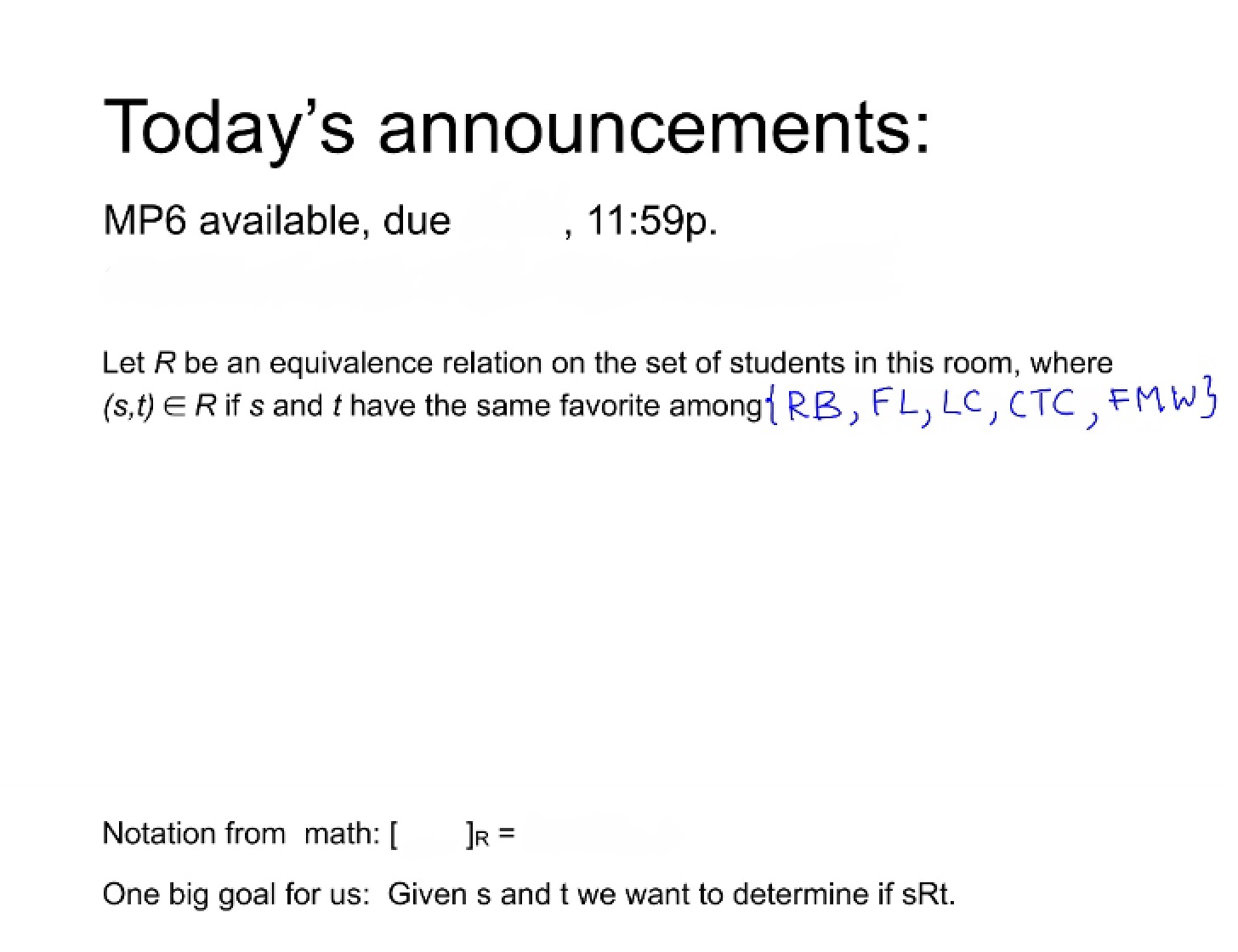
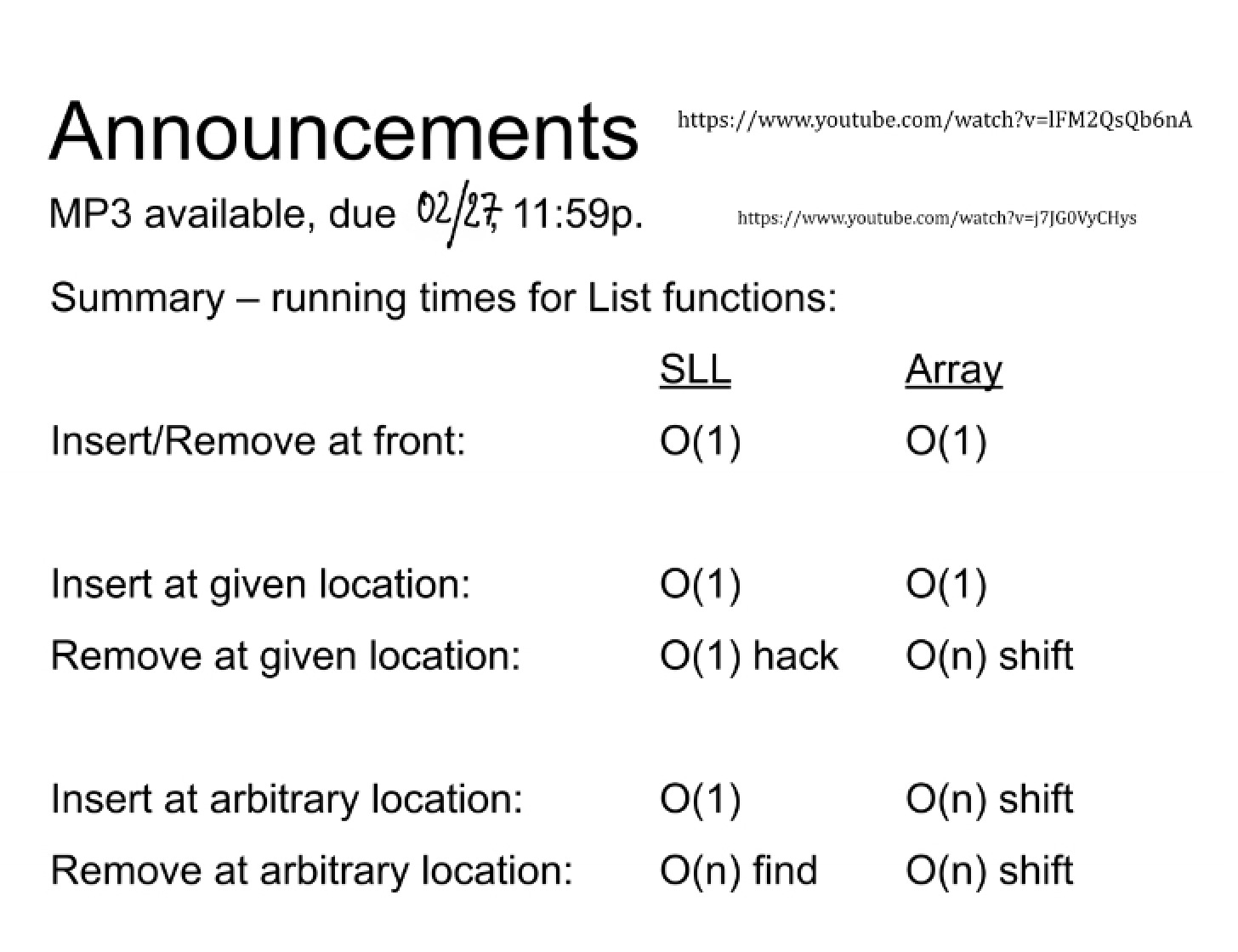
* Course-specific announcements regarding homework and assignments.