What This Document Is
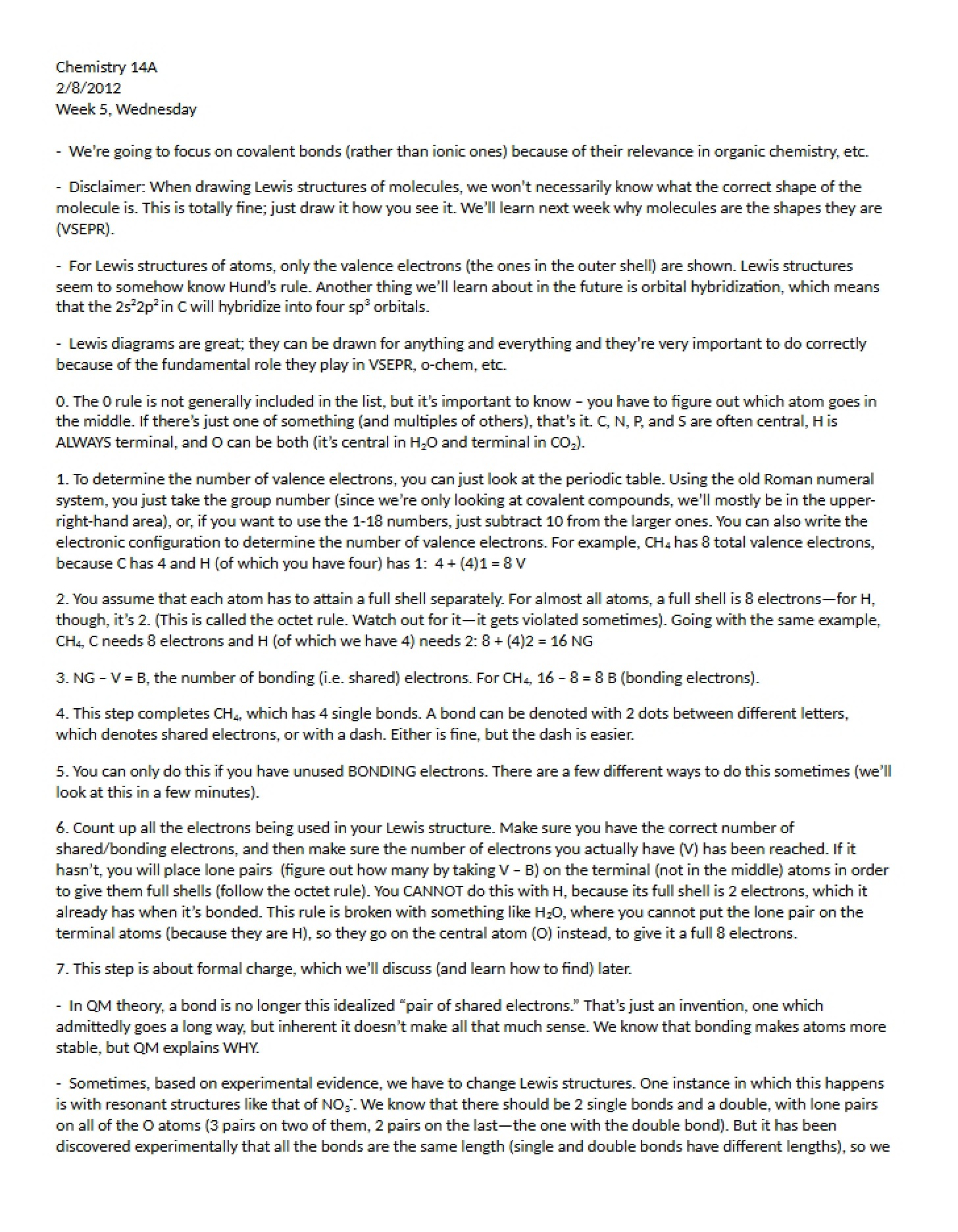
This document presents detailed lecture and discussion notes focused on the relationship between molecular structure, electronic arrangement, and polarity. It delves into the principles governing how electron distribution impacts the shapes of molecules, moving beyond simple Lewis structures to explore the nuances of three-dimensional geometry. It builds upon foundational chemistry concepts to explain how both bonding and non-bonding electron pairs influence molecular form.
Why This Document Matters
This resource is ideal for students enrolled in a foundational chemistry course, particularly those grappling with visualizing and predicting molecular shapes. It’s most beneficial when studying chemical bonding, molecular properties, and the factors influencing intermolecular forces. Students preparing for quizzes or exams on VSEPR theory and its applications will find this a valuable study aid. Understanding these concepts is crucial for success in more advanced chemistry topics, including reaction mechanisms and spectroscopy.
Topics Covered
* Distinction between atomic and electronic geometry
* The impact of lone electron pairs on molecular shape
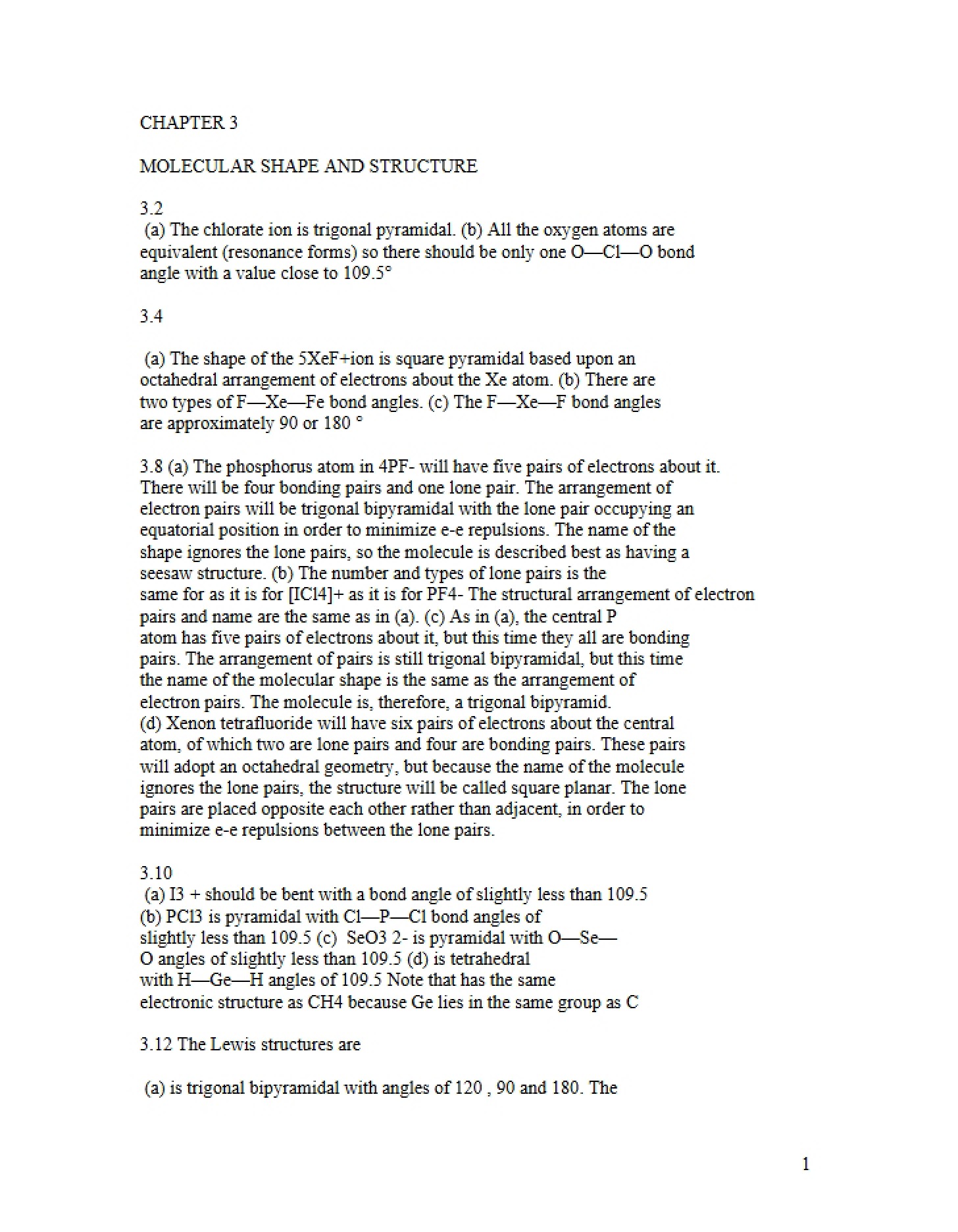
* VSEPR (Valence Shell Electron Pair Repulsion) theory and its application
* Molecular geometries associated with different numbers of bonding and lone pairs
* Deviation from ideal bond angles due to electronic repulsion
* Application of VSEPR to specific molecules and molecular series
* Limitations of VSEPR theory and observed anomalies
What This Document Provides
* A detailed exploration of how to determine electronic and atomic geometry.
* Explanations of how to predict molecular shapes based on electron pair arrangement.
* Discussion of the relative repulsive forces between bonding and non-bonding electron pairs.
* Illustrative examples demonstrating the application of VSEPR theory to various molecular structures.
* Insights into the factors that can cause distortions in predicted molecular geometries.
* Connections to broader concepts within the course, such as the octet rule and periodic trends.