What This Document Is
This study guide provides a foundational overview of core concepts within Political Economics, specifically focusing on the intersection of economic activity and environmental concerns. It explores how economic systems interact with, and impact, the natural world, and how societal values influence these interactions. The material delves into the complexities of externalities – both positive and negative – and their role in market outcomes. It’s designed for students seeking a deeper understanding of the economic forces shaping environmental issues.
Why This Document Matters
This resource is ideal for students enrolled in introductory Political Economy courses, particularly those grappling with the application of economic principles to real-world environmental challenges. It’s beneficial for exam preparation, clarifying lecture material, and building a strong base for more advanced study. Anyone interested in understanding the economic rationale behind environmental policy and the debates surrounding sustainable development will find this a valuable resource. It’s particularly helpful when analyzing current events related to resource management, pollution, and economic growth.
Common Limitations or Challenges
This guide focuses on theoretical frameworks and foundational concepts. It does not offer specific policy recommendations or detailed case studies of particular environmental regulations. While it references external sources, it does not provide in-depth analysis of those sources – access to those external materials is assumed. It also doesn’t cover all aspects of Political Economy, concentrating specifically on the environmental dimension. It is intended as a supplement to course readings and lectures, not a replacement.
What This Document Provides
* An exploration of the economic factors contributing to environmental problems.
* Discussion of the concept of externalities and their impact on market efficiency.
* An overview of different approaches to pollution regulation and control.
* Consideration of the role of political ideologies in shaping environmental policy.
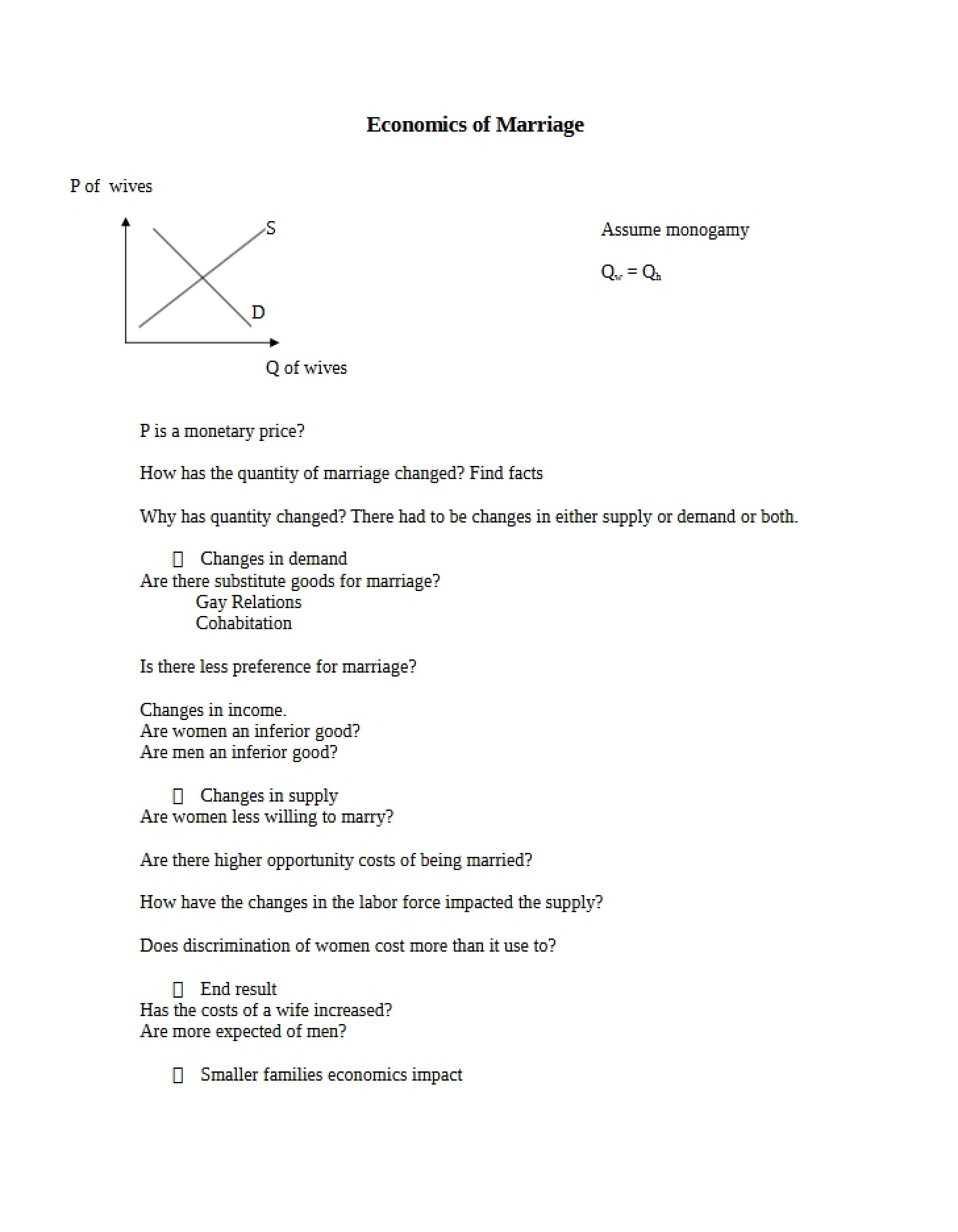
* Graphical illustrations to aid in understanding key economic relationships.
* Examination of the relationship between economic growth, technological advancements, and environmental impact.