What This Document Is
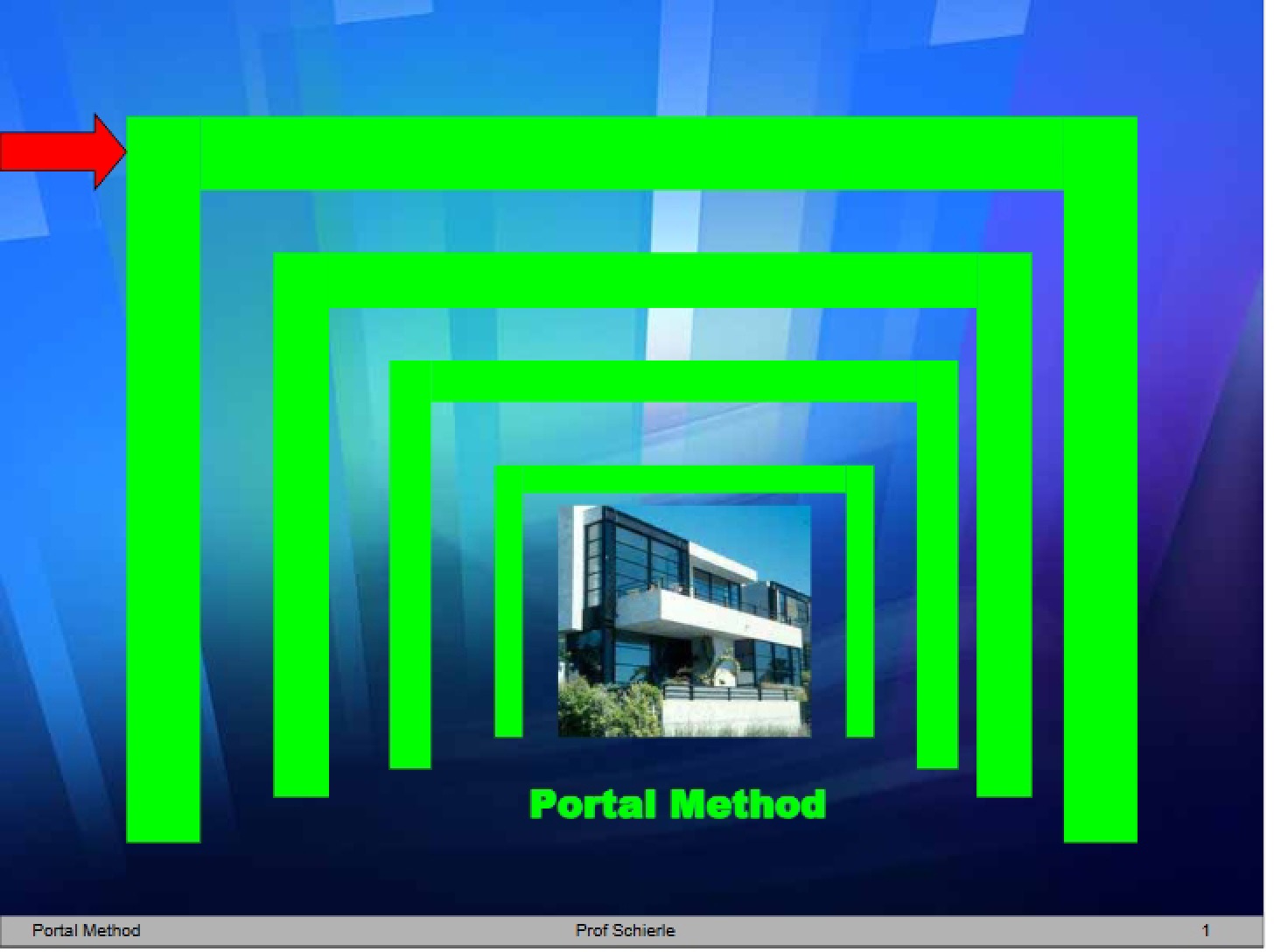
This resource delves into the application of the Portal Method for structural analysis, specifically focusing on portal frames. It’s a focused exploration of how to approach the analysis of these structures under lateral loads, a critical skill in architectural engineering and structural design. The material centers around understanding the behavior of moment-resistant joints and how they contribute to a frame’s overall stability. It bridges theoretical concepts with practical considerations relevant to building design.
Why This Document Matters
This is an invaluable resource for students in advanced structural engineering courses – particularly those focused on architectural structures. It’s most beneficial when you’re learning to analyze indeterminate structures and need a deeper understanding of how lateral forces are distributed within a portal frame. Professionals seeking a refresher on this specific analysis technique will also find it useful. Understanding the Portal Method is foundational for designing safe and efficient buildings, especially in regions prone to seismic or wind loads. If you're tackling projects involving frame design, this will provide a solid base for your calculations and design decisions.
Common Limitations or Challenges
This material concentrates specifically on the Portal Method and its application to frames. It does *not* cover alternative analysis methods like moment distribution or finite element analysis. It also doesn’t provide a comprehensive overview of all load types; the focus is primarily on lateral forces, with gravity loads being treated as a secondary consideration. Furthermore, it assumes a foundational understanding of statics, mechanics of materials, and basic structural analysis principles. It won’t walk you through those fundamentals.
What This Document Provides
* A focused explanation of the core assumptions underlying the Portal Method.
* Key relationships for determining shear forces within portal frame members.
* Methods for calculating bending moments at critical points within the frame.
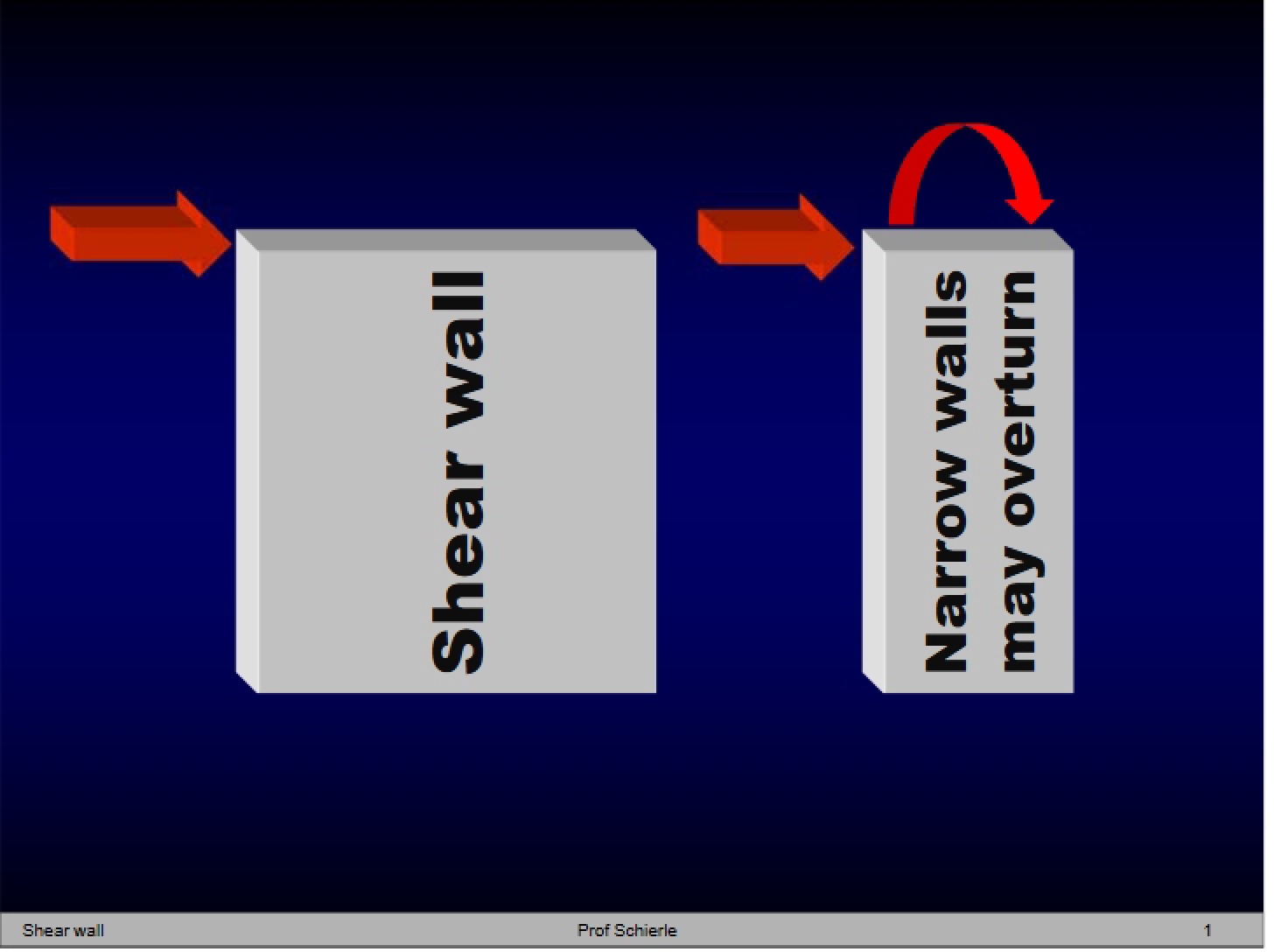
* Considerations for column axial forces and overturning moments.
* Illustrative examples referencing notable architectural projects employing portal frame structures.
* Discussions on the interplay between beam and column behavior within the frame system.