What This Document Is
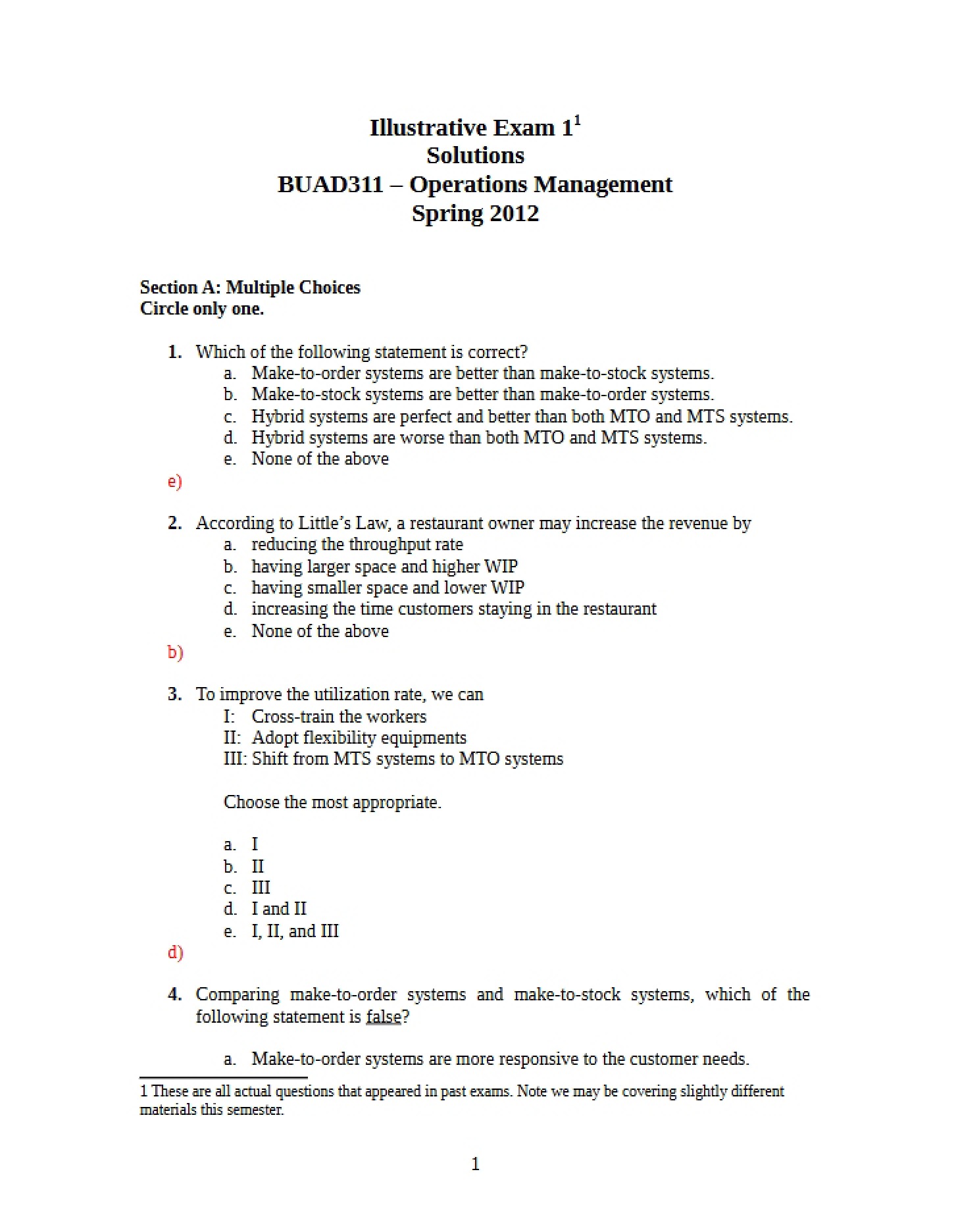
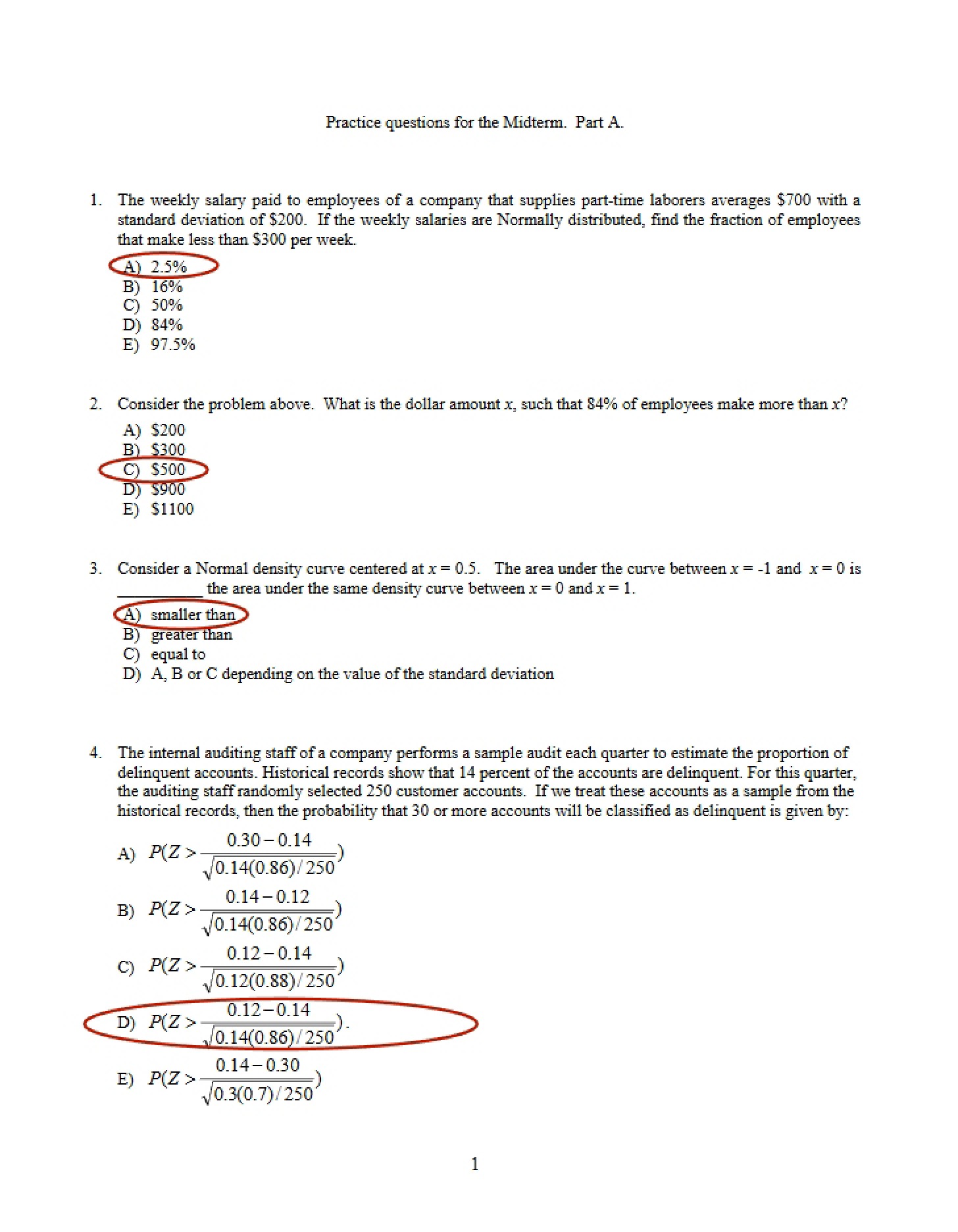
This document is a detailed answer key for a practice problem set in BUAD 311, Operations Management at the University of Southern California. It focuses on applying core operations management principles to a variety of real-world scenarios. The problems covered involve quantitative analysis and the application of key formulas to determine optimal operational strategies. Expect a focus on process flow, capacity planning, and performance measurement.
Why This Document Matters
This resource is invaluable for students seeking to solidify their understanding of Operations Management concepts and assess their preparedness for exams. It’s particularly helpful if you’ve completed Practice Problem Set #2 and want to verify your approach to problem-solving, identify areas where your understanding needs strengthening, or see alternative methods for tackling complex operational challenges. It’s best used *after* attempting the practice problems independently, as a learning tool to reinforce concepts, not as a shortcut to answers.
Common Limitations or Challenges
This answer key provides solutions to a specific practice set. It does *not* include detailed explanations of the underlying operations management principles themselves – you’ll need your course materials and lecture notes for that. It also doesn’t offer step-by-step guidance on *how* to arrive at the solutions; it presents the final answers. Furthermore, it only covers the scenarios presented in Practice #2; it won’t prepare you for problems with significantly different contexts.
What This Document Provides
* Detailed solutions to problems involving Little’s Law and its applications.
* Analysis of scenarios related to service operations, such as car rental dispatching and airport runway utilization.
* Worked examples applying operations management principles to healthcare settings (hospital birth rates and patient stays).
* Solutions exploring the relationship between Work-In-Process (WIP) and Throughput Rate.
* Analysis of a scenario involving a manufacturing company attempting to balance throughput rate and throughput time.
* Quantitative results for various operational metrics, allowing for self-assessment of problem-solving skills.