What This Document Is
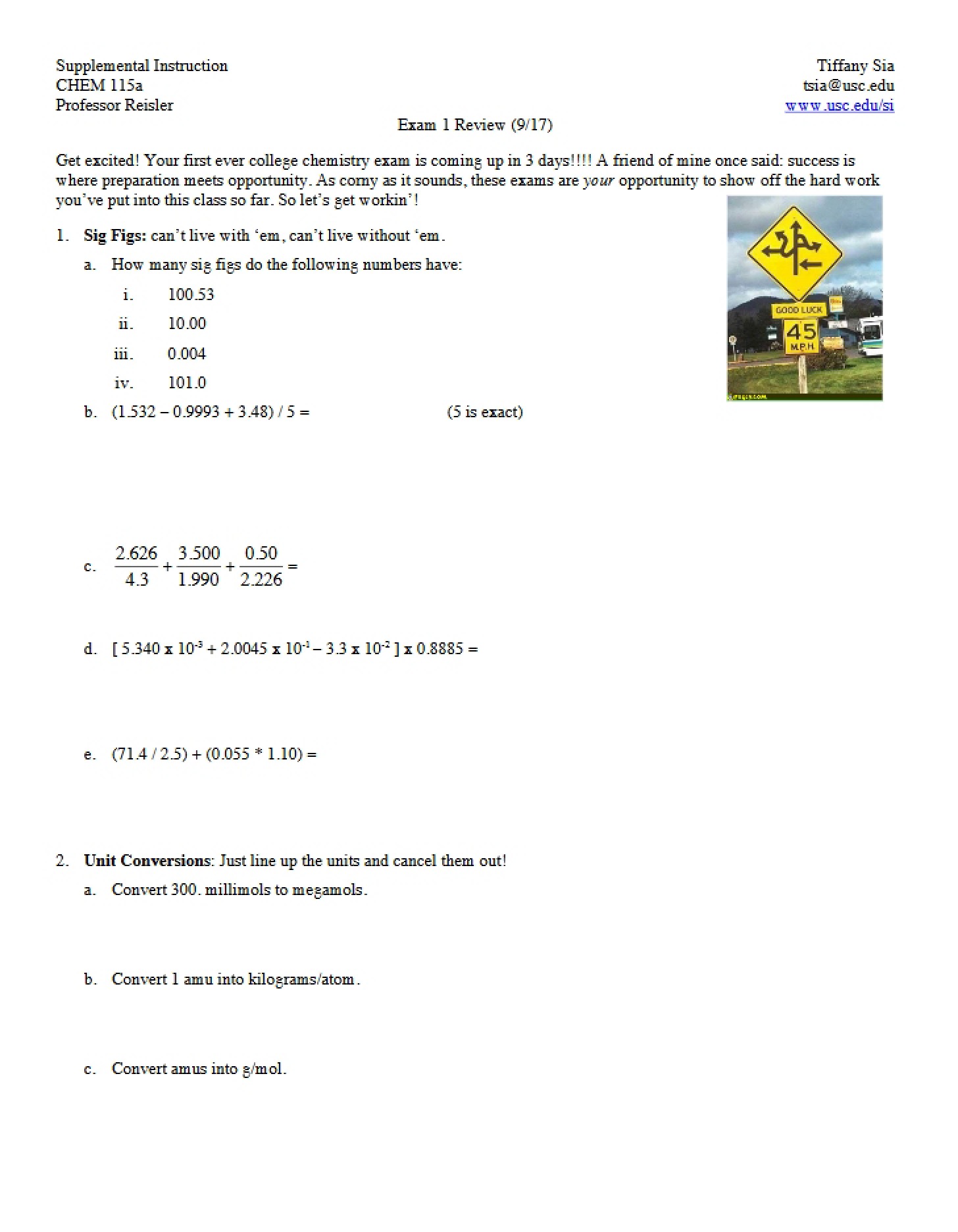
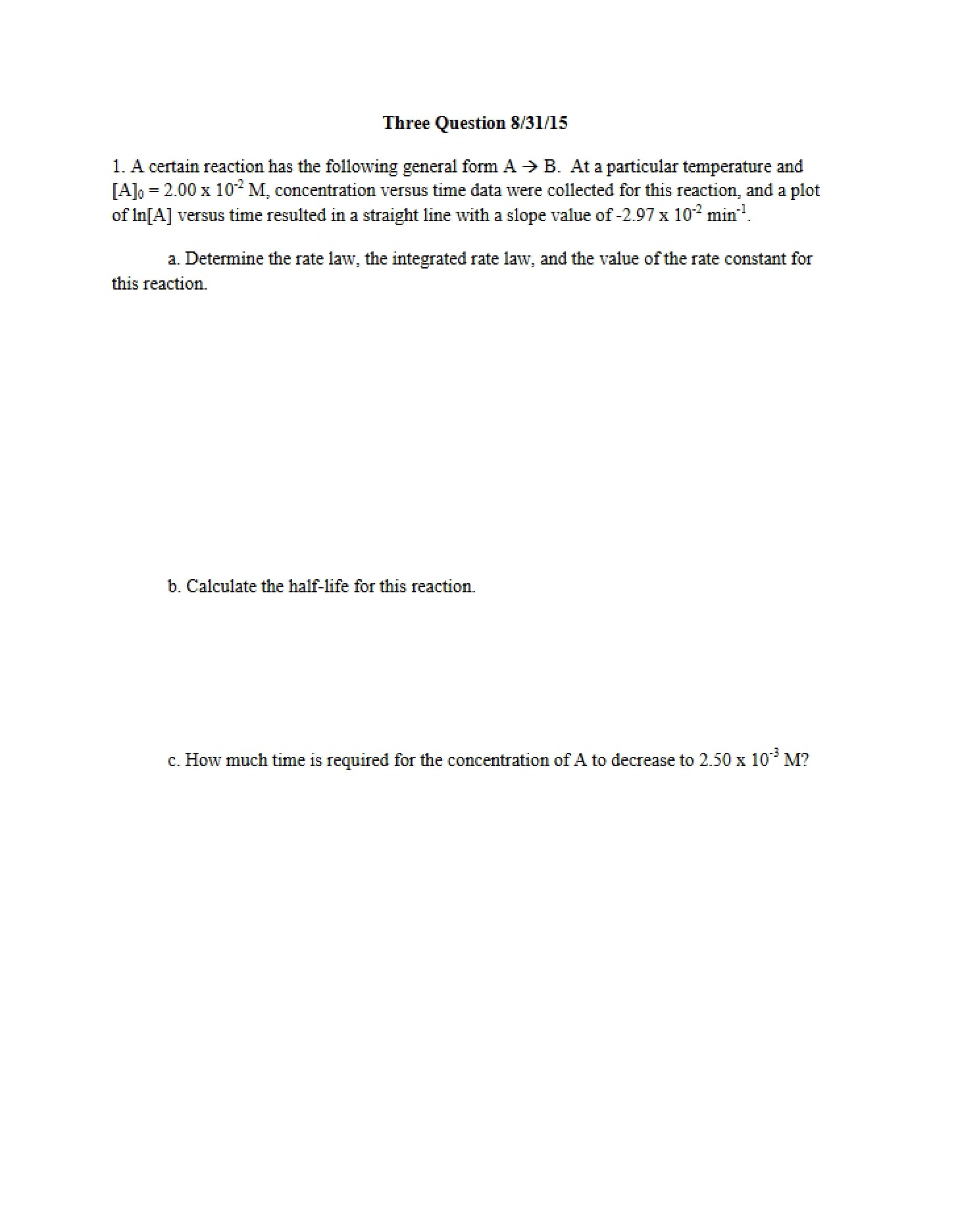
This is a practice midterm exam for CHEM 105, General Chemistry, at the University of Southern California. It’s designed to test your understanding of core concepts covered in the course, focusing on foundational principles and problem-solving abilities. The practice midterm is structured to mimic the format and difficulty level of an actual midterm assessment, providing a realistic exam experience. Key areas covered include atomic structure, periodic trends, chemical bonding, and basic thermochemistry.
Why This Document Matters
This resource is invaluable for any USC CHEM 105 student looking to assess their preparedness for an upcoming midterm. Utilizing practice exams is a proven method for identifying knowledge gaps and strengthening areas where you may need further review. Working through this practice midterm under timed conditions will also help build test-taking confidence and reduce anxiety. It’s best used *after* you’ve completed the relevant readings, attended lectures, and worked through assigned homework problems – think of it as a final check before the real thing.
Common Limitations or Challenges
This practice midterm is a focused assessment and does not encompass *every* topic covered in the course. It’s designed to be representative, but shouldn’t be considered an exhaustive review of all potential exam material. Furthermore, while the questions are designed to be similar in style and difficulty to those you might encounter on a real midterm, it’s important to remember that actual exam questions may vary. This resource does not include detailed explanations or worked solutions; those are typically provided separately within the course materials.
What This Document Provides
* A series of questions covering key concepts related to atomic properties and periodic trends.
* Problems requiring application of principles related to ionization energy, electron affinity, and effective nuclear charge.
* Exercises focused on predicting relative atomic sizes and understanding ionic character.
* Questions assessing your ability to apply thermochemical principles and calculate enthalpy changes.
* Practice with Lewis structures, molecular geometry, and bond polarity.
* Opportunities to practice applying bond energy calculations.
* Questions relating to lattice energy and its influencing factors.