What This Document Is
This resource is a focused practice guide designed to help students prepare for a specific quiz within an introductory logic course (PHIL 110 at the University of South Carolina). It centers on evaluating the logical properties of sentences, specifically concerning tautological and first-order (FO) relations. The material outlines a systematic approach to analyzing sentence structure and determining logical truth, validity, and tautology. It’s geared towards solidifying understanding of formal logic concepts through practical application.
Why This Document Matters
Students enrolled in Intro to Logic I will find this particularly useful when reviewing for Quiz Nine. It’s ideal for those who want to proactively test their understanding of how to translate sentences into different logical forms and then assess their inherent truth conditions. This guide is best used *after* familiarizing yourself with the core lecture material on tautologies, first-order logic, and related concepts. Working through the practice questions (available with full access) will help identify areas needing further study before the assessment.
Common Limitations or Challenges
This guide does not provide a comprehensive re-teaching of the foundational principles of logic. It assumes a base level of understanding of concepts like predicates, quantifiers, truth-functional connectives, and first-order checking. It also doesn’t offer fully worked-out solutions; instead, it focuses on *how* to approach the problems. It is specifically tailored to the format and content of Quiz Nine and may not cover all aspects of introductory logic.
What This Document Provides
* A breakdown of the quiz’s structure and the types of questions you can expect.
* A described procedure for analyzing sentences to determine their logical status.
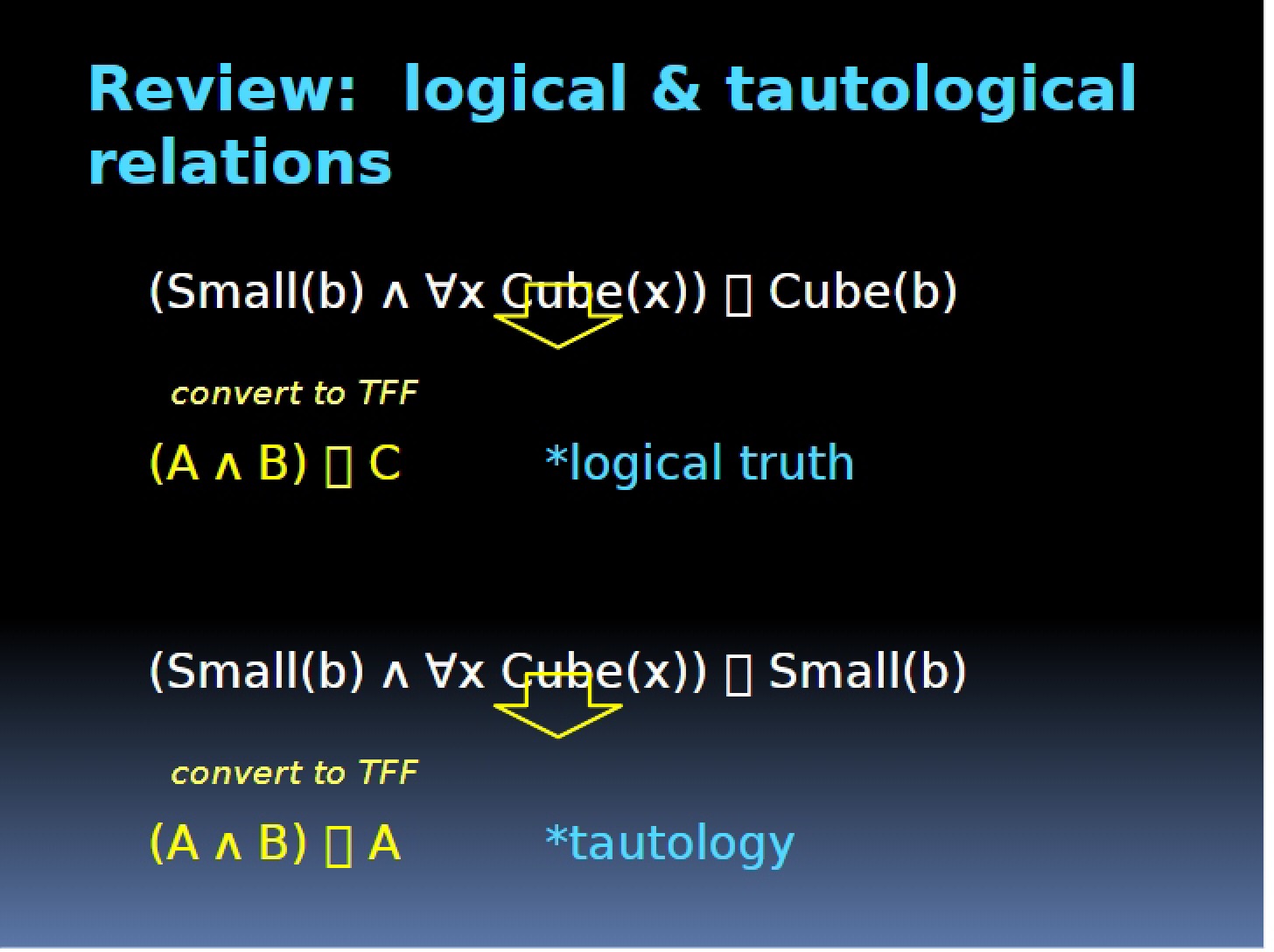
* Guidance on converting sentences into First-Order Checking Form.
* Guidance on converting sentences into Truth-Functional Form.
* A framework for differentiating between logical truths, first-order validities, and tautologies.
* A practice question to illustrate the application of the described procedures.