What This Document Is
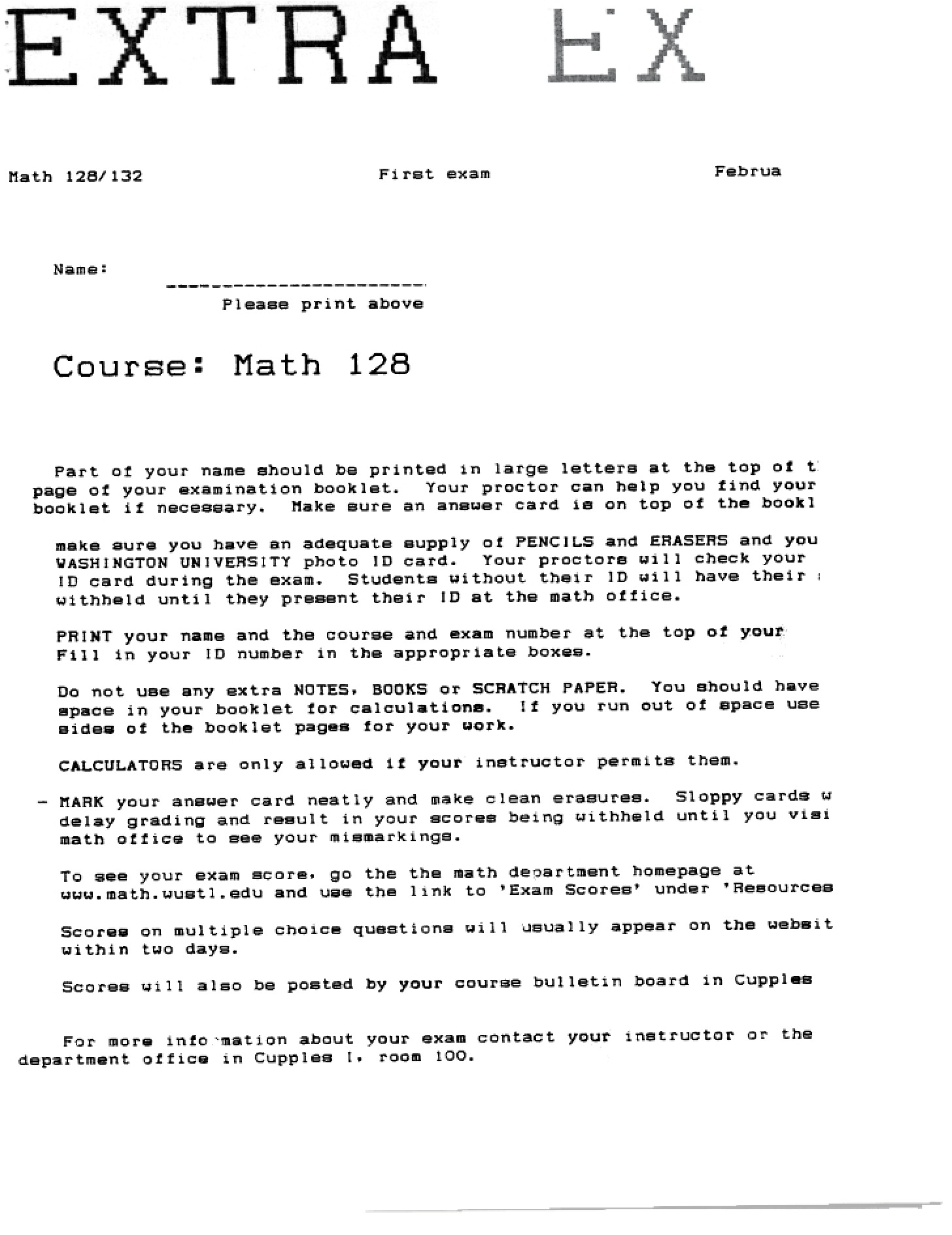
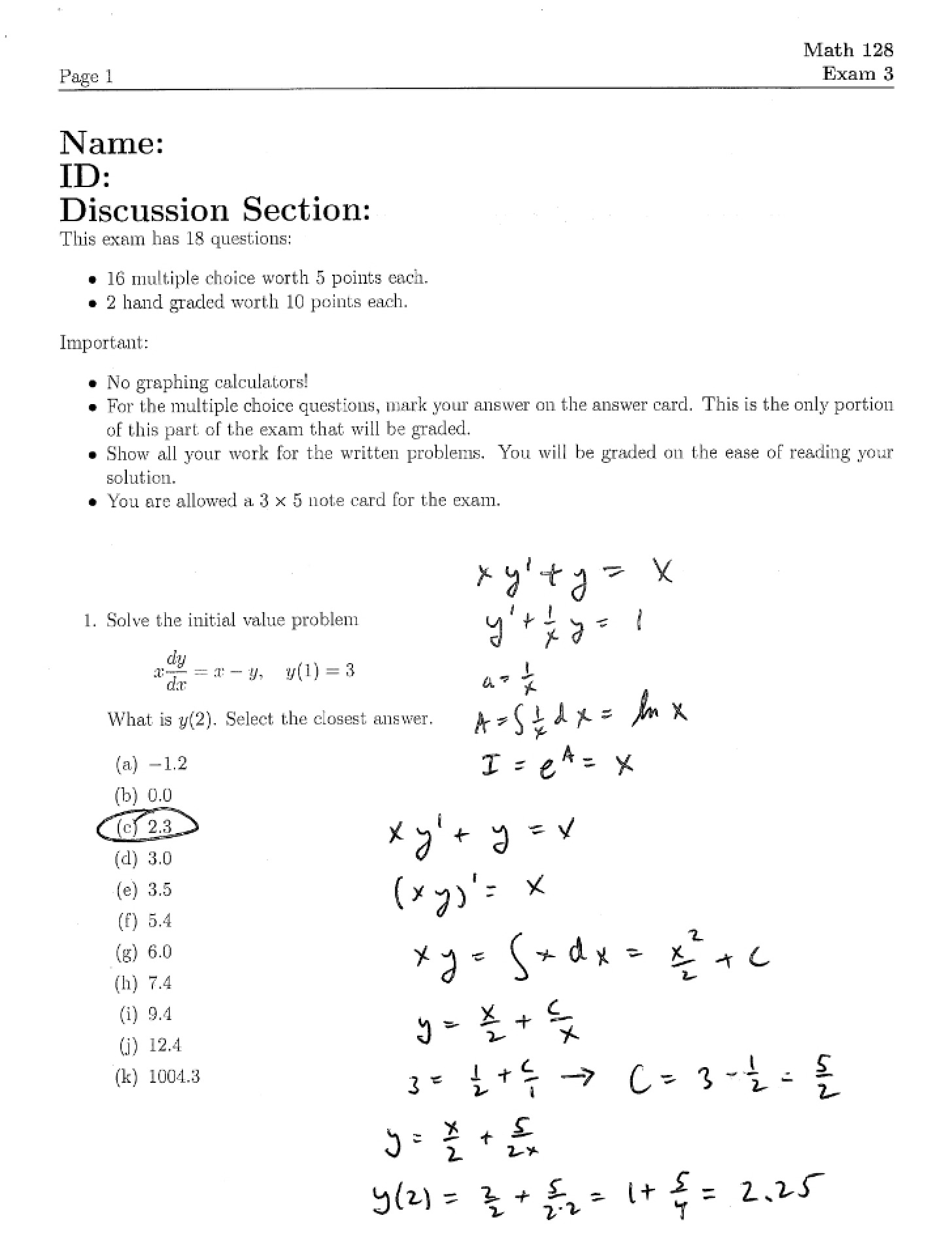
This is a practice test designed to help students prepare for the December final exam in Math 128, Calculus II, at Washington University in St. Louis. It’s a comprehensive review tool modeled after the format and scope of the actual final examination from Fall 2003. The practice test assesses understanding of core Calculus II concepts through a variety of problem types.
Why This Document Matters
This resource is invaluable for students aiming to solidify their grasp of Calculus II topics and build confidence before the final exam. It’s particularly useful for self-assessment – identifying areas of strength and weakness. Working through these types of problems under timed conditions can also help improve test-taking skills and reduce exam anxiety. Students who are actively studying for their final, or those wanting to gauge their preparedness, will find this practice test extremely beneficial.
Common Limitations or Challenges
While this practice test covers a broad range of Calculus II topics, it is based on a specific past exam and may not perfectly reflect the exact content or weighting of the current final. It does not include detailed explanations or step-by-step solutions to the problems presented. This document is intended as a practice tool, not a substitute for attending lectures, completing homework assignments, or seeking help from instructors or teaching assistants.
What This Document Provides
* A collection of problems covering key Calculus II concepts, including applications of integration.
* Questions relating to topics such as present value calculations and income streams.
* Problems focused on multi-variable calculus, including average value calculations on a given region.
* Optimization problems involving constraints.
* Questions assessing understanding of probability and distributions.
* Differential equations and related applications.
* Problems related to Newton’s Law of Cooling.
* Taylor series and polynomial approximations.
* Improper integral evaluations.
* A variety of problem formats, including multiple-choice questions.