What This Document Is
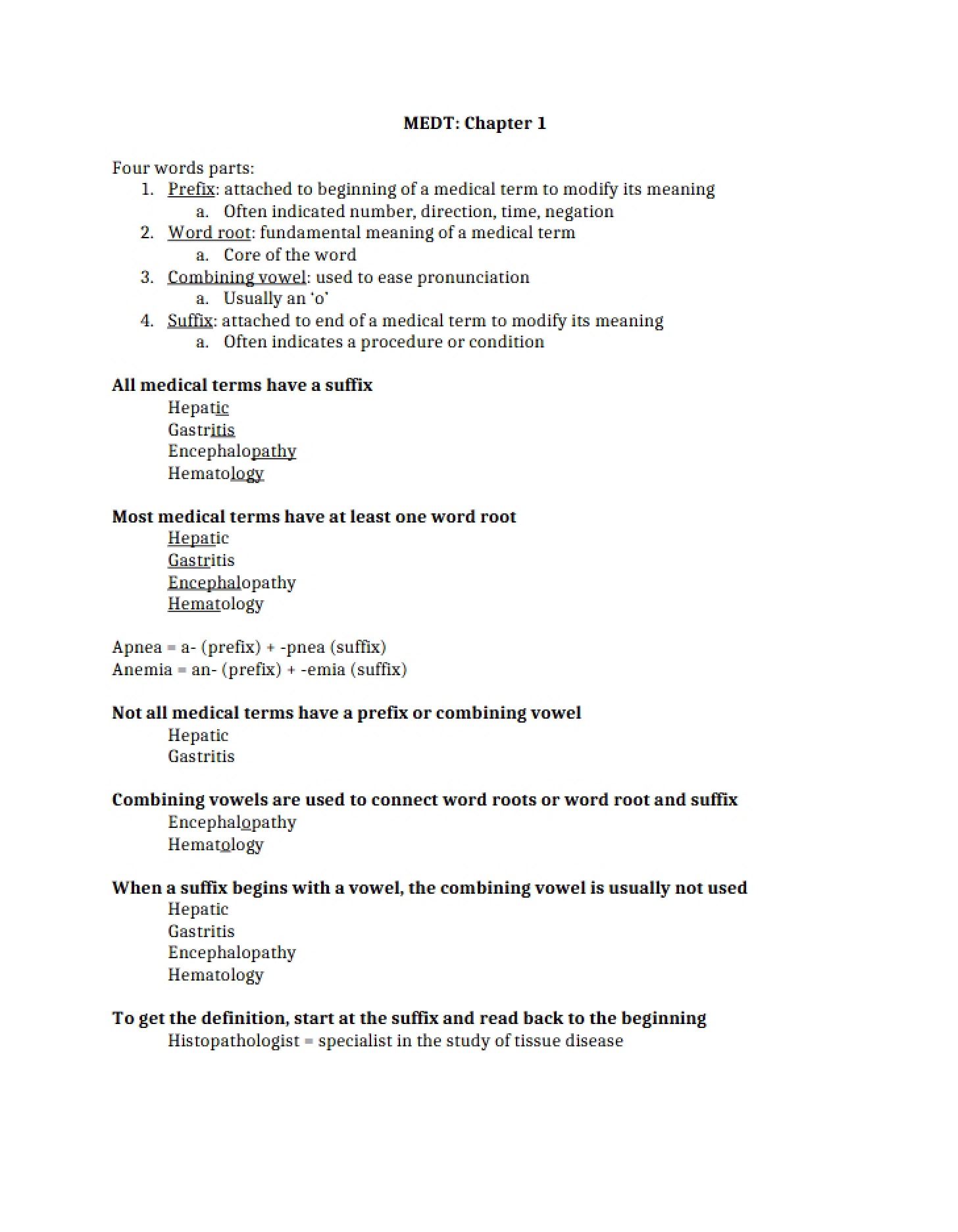
This study guide focuses on medical prefixes, a foundational element in understanding medical terminology. It’s designed for students in The Language of Medicine (MEDT 200) at the University of Delaware, and provides a structured exploration of how prefixes modify the meanings of medical terms. This resource breaks down common prefixes and their impact on anatomical locations, physiological processes, and disease states. It’s a key component in building a robust medical vocabulary.
Why This Document Matters
This guide is essential for anyone seeking to decode the complex language of medicine. It’s particularly helpful for students preparing for assessments, reviewing course material, or needing a quick reference while studying anatomy, physiology, or pathology. Understanding prefixes allows you to interpret unfamiliar terms with greater confidence and accuracy, improving comprehension of medical records, research papers, and clinical discussions. It’s a valuable tool for building a strong foundation for future coursework and professional practice.
Topics Covered
* Prefixes indicating direction and location
* Prefixes denoting opposition or negation
* Prefixes related to completeness or separation
* Prefixes describing position or association
* Application of prefixes to various body systems and conditions
* The impact of prefixes on modifying root word meanings
* Prefixes relating to congenital conditions
What This Document Provides
* A comprehensive list of frequently encountered medical prefixes.
* Exploration of how prefixes alter the meaning of medical terms.
* Connections between prefixes and relevant anatomical structures.
* Insights into how prefixes are used in the context of physiological processes.
* A framework for deciphering unfamiliar medical terminology.
* A resource to support deeper understanding of medical concepts.