What This Document Is
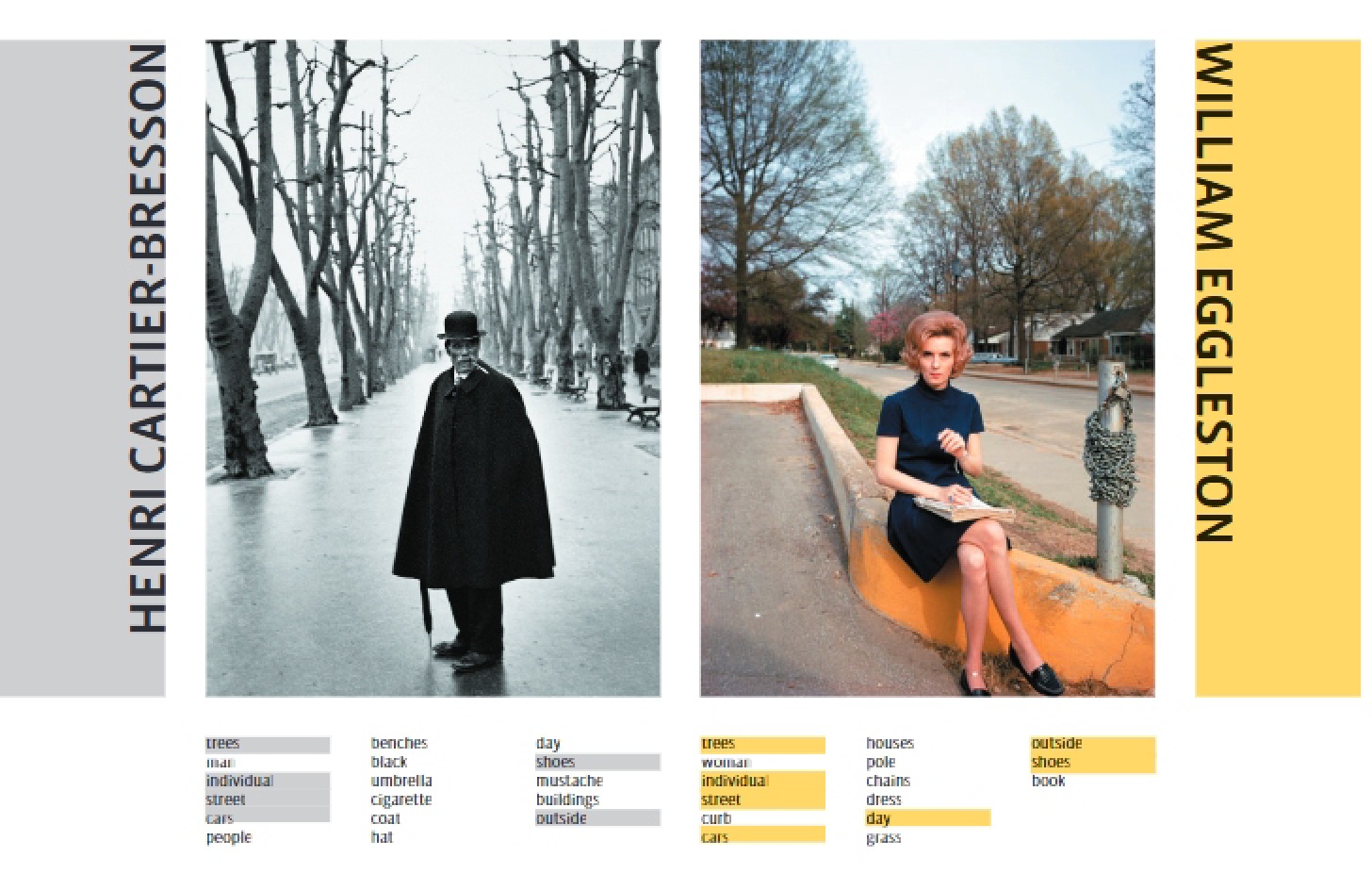
This resource consists of presentation slides from DESMA 154B: Visual Communication 2 at UCLA. It delves into the comparative analysis of photographic works, focusing on the underlying principles of visual design and their potential for conveying complex ideas. The slides explore how artists utilize compositional elements to create impactful imagery and communicate meaning beyond the purely representational. It’s a focused exploration of how visual choices contribute to a photograph’s overall message and effect.
Why This Document Matters
Students enrolled in Visual Communication 2, or those studying photography, art history, or visual design, will find this material particularly valuable. It’s ideal for reinforcing concepts discussed in lectures and preparing for discussions about visual rhetoric. This resource is especially helpful when you’re seeking to deepen your understanding of how to *interpret* visual works and articulate your observations in a clear and informed manner. Accessing the full presentation will unlock a detailed examination of specific techniques.
Topics Covered
* Compositional Strategies in Photography
* The Role of Light and Shadow in Visual Communication
* Analysis of Form, Texture, and Perspective
* Relationship Between Visual Elements and Meaning
* Landscape Photography as a Medium for Expression
* Comparative Visual Analysis Techniques
* The Impact of Subject Matter on Interpretation
What This Document Provides
* Visual examples of photographic works for detailed study.
* A framework for dissecting and understanding visual choices.
* Points of comparison between different photographic styles.
* Discussion of how elements like horizon lines and focal points contribute to overall impact.
* Exploration of how photographs can convey messages and evoke emotional responses.
* Insights into the connection between artistic technique and conceptual intent.