What This Document Is
This resource is a focused exploration of the principles and concepts foundational to software design, specifically within the context of an introductory software engineering course (CS 230 at West Virginia University). It delves into the crucial transition phase where software requirements are transformed into actionable plans for construction. This isn’t about coding itself, but rather the *thinking* behind building robust and effective software systems. It examines the core ideas that guide developers in creating well-structured, maintainable, and scalable applications.
Why This Document Matters
This material is essential for any student beginning their journey in software engineering. Understanding these design principles early on will significantly impact your ability to approach complex projects with a clear and organized mindset. It’s particularly valuable when you’re tasked with planning a software project, collaborating with a team, or evaluating existing software architectures. It will help you move beyond simply *making* software work, to *designing* software that is elegant, efficient, and adaptable to future needs.
Common Limitations or Challenges
This resource focuses on the theoretical underpinnings of software design. It does not provide hands-on coding exercises, specific implementation details for various programming languages, or a comprehensive overview of all available design patterns. It also assumes a basic understanding of software development lifecycle concepts. It’s a conceptual foundation, not a complete “how-to” guide.
What This Document Provides
* An overview of the software design process and its place within the broader software development lifecycle.
* Explanations of different types of design models used to represent software structure and behavior.
* A discussion of key design principles that promote quality and maintainability.
* Detailed exploration of core design concepts like abstraction and refinement.
* Insights into the importance of modularity in software construction.
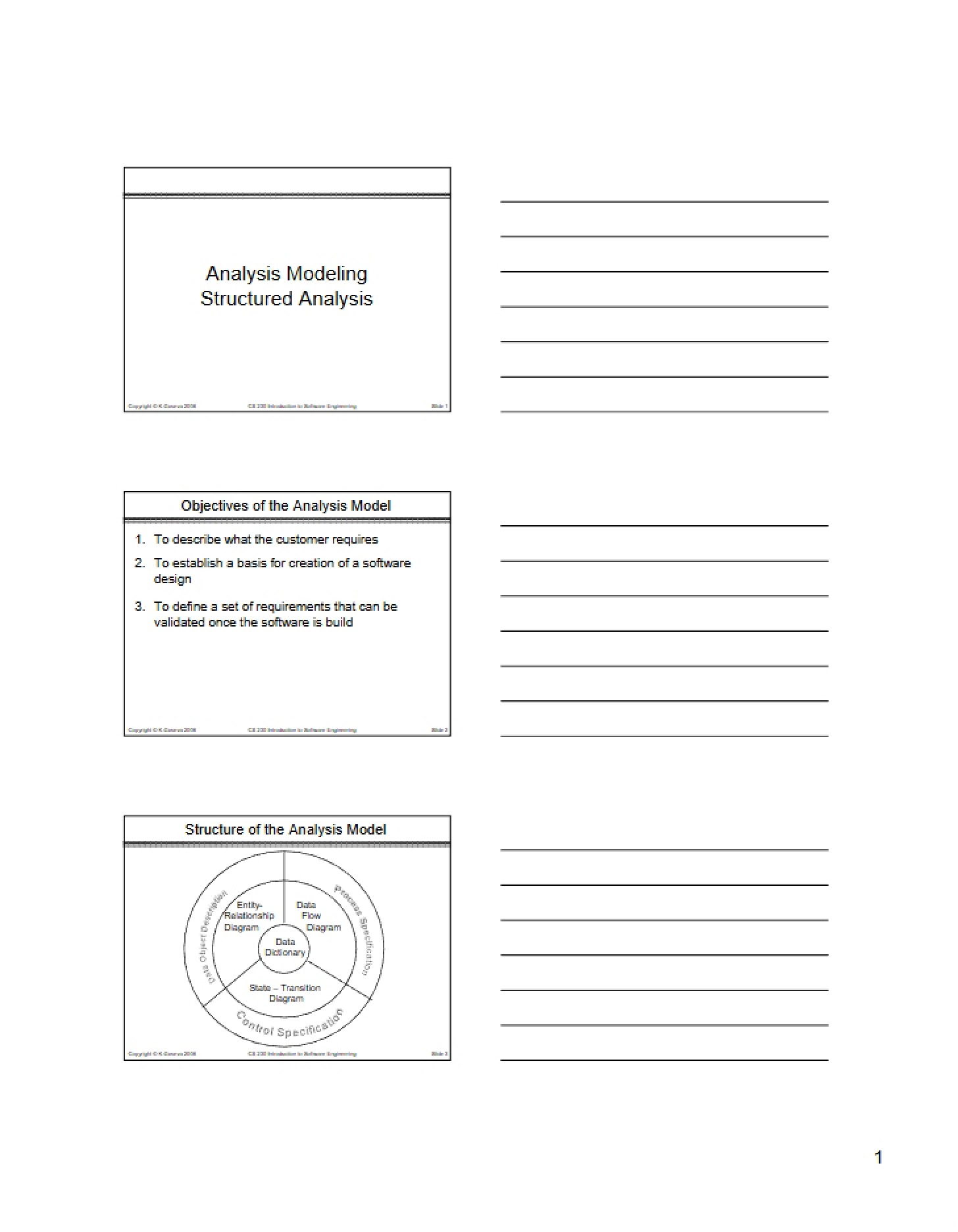
* Illustrative representations of how analysis models are translated into concrete design elements.