What This Document Is
This is a focused exploration of bioenergetics, a core component of biochemistry. It delves into the principles governing energy flow within living systems, providing a foundational understanding of how organisms manage and utilize energy to perform life’s processes. This material is designed for students in an introductory biochemistry course, specifically those seeking to grasp the fundamental concepts underpinning metabolism.
Why This Document Matters
Students enrolled in biochemistry, particularly those in CHEM 153A at UCLA, will find this resource invaluable. It’s especially helpful when tackling complex topics related to metabolic pathways, enzyme function, and the thermodynamic principles that drive biological reactions. Use this as a study aid to reinforce lecture material, prepare for quizzes and exams, or build a stronger conceptual framework for understanding the energetic basis of life. Accessing the full content will unlock a deeper understanding of these critical concepts.
Topics Covered
* The relationship between metabolism, bioenergetics, and cellular processes
* Catabolic and anabolic pathways and their characteristics
* Thermodynamic laws and their application to biological systems
* Gibbs Free Energy and its role in determining reaction spontaneity
* The concept of entropy and its impact on biological reactions
* Coupled reactions and energy transfer within cells
* Standard free-energy changes and equilibrium constants
* The role of ATP in energy coupling
What This Document Provides
* A detailed overview of the principles of bioenergetics.
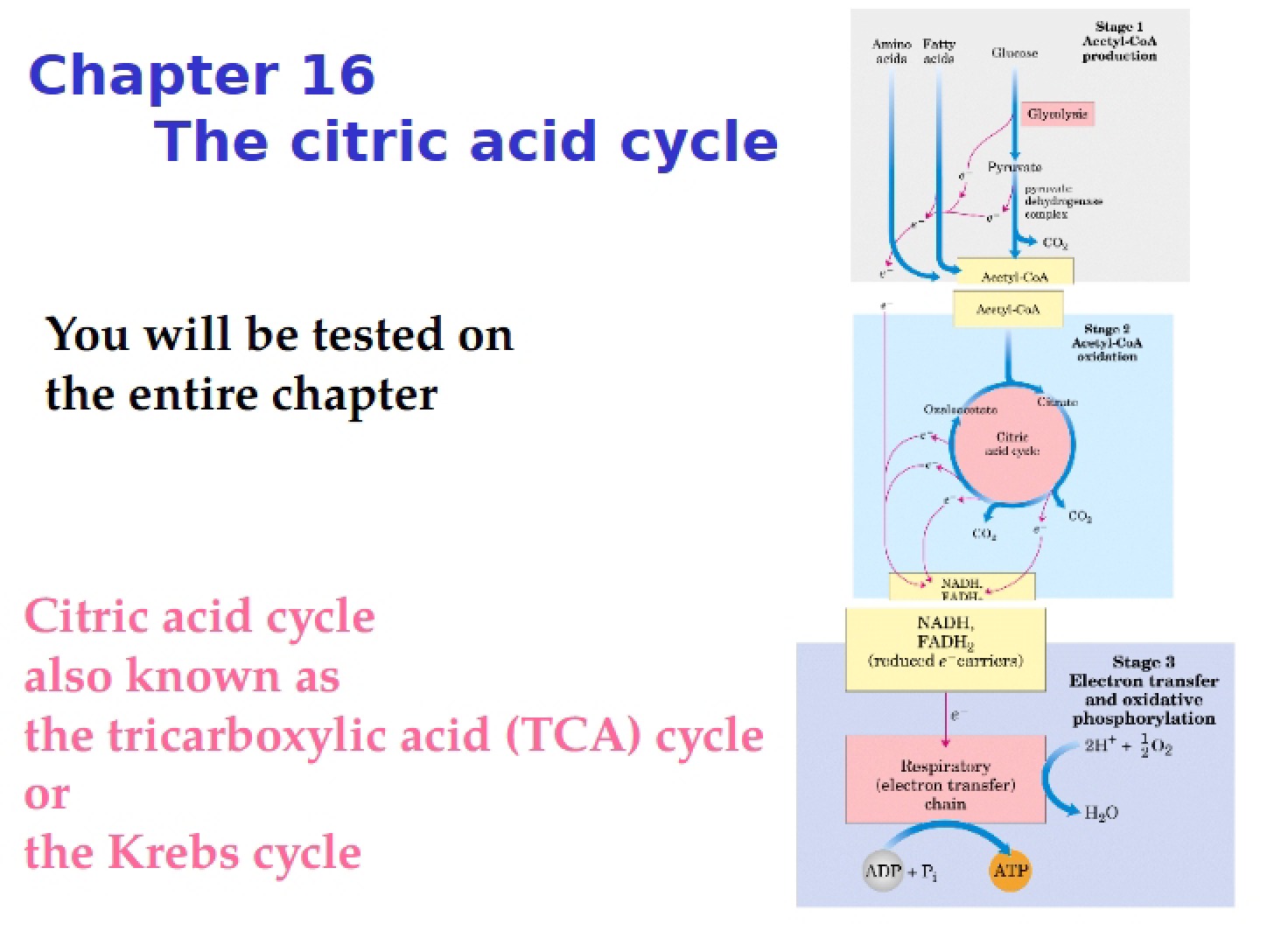
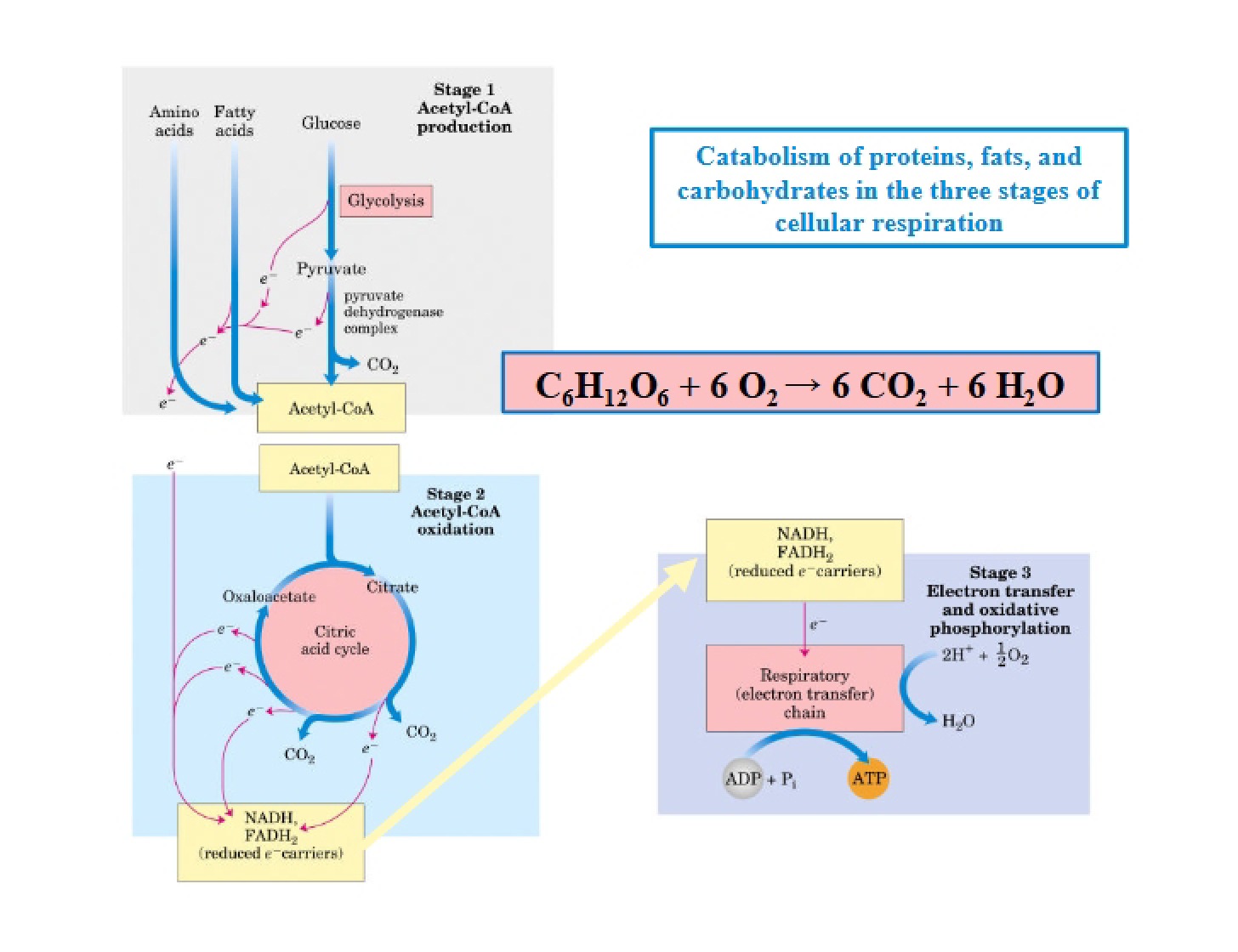
* Illustrative representations of metabolic pathways and their interconnectedness.
* Explanations of key terminology related to energy transformations in biological systems.
* Connections between fundamental thermodynamic principles and biochemical reactions.
* A framework for understanding how living organisms harness and utilize energy.
* Relationships between reaction conditions and free energy calculations.