What This Document Is
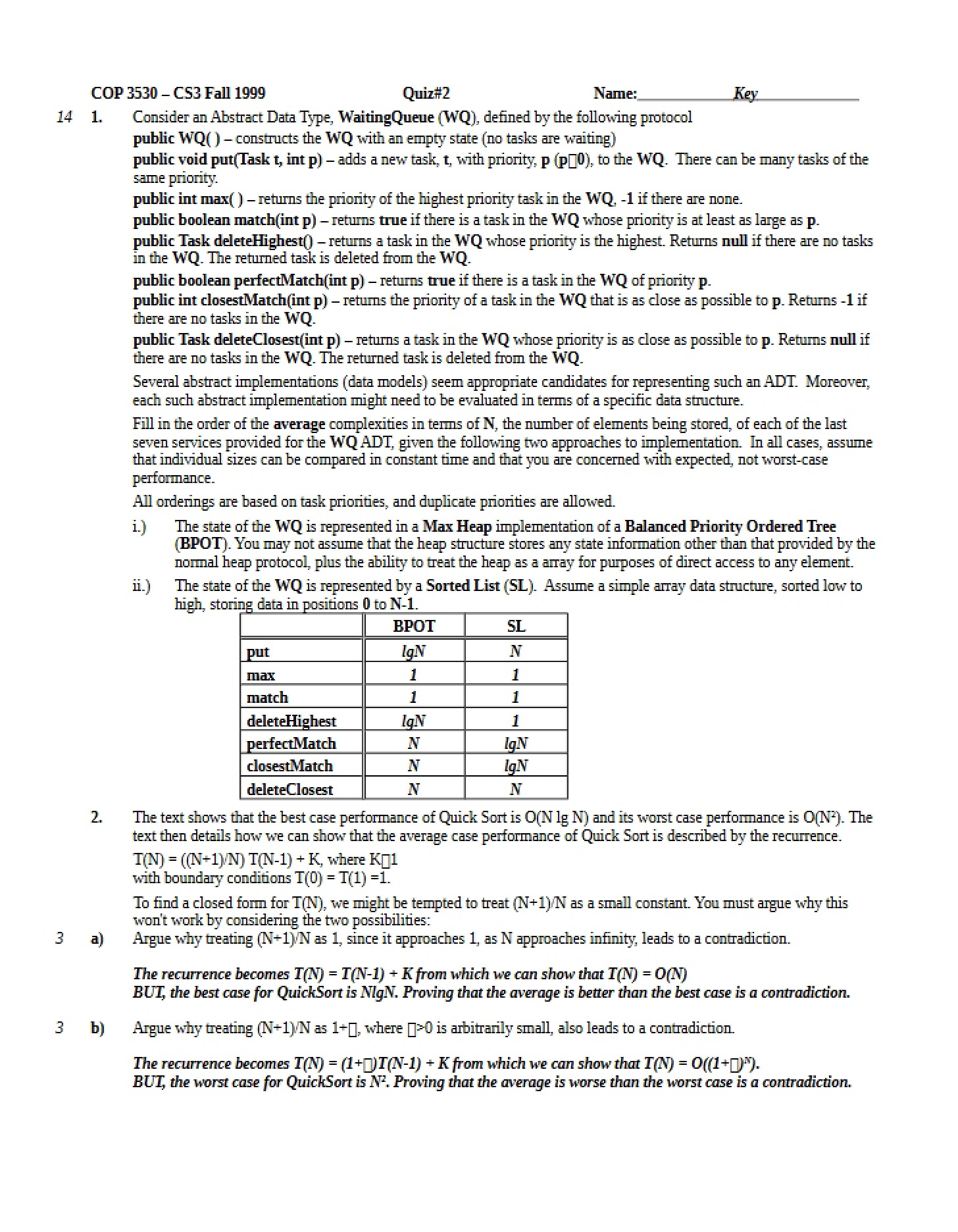
This is a focused exploration of priority queues and heaps, essential data structures within the field of algorithm design and analysis. Developed for students in Computer Science III (COP 3530) at the University of Central Florida, this resource delves into the theoretical foundations and practical considerations surrounding these powerful tools. It examines different implementation approaches and their associated performance characteristics, providing a solid base for understanding more complex algorithms.
Why This Document Matters
This material is invaluable for any computer science student seeking to master fundamental data structures and algorithms. It’s particularly helpful when tackling problems requiring efficient sorting, searching, or scheduling. Students preparing for exams, working on assignments involving performance optimization, or building applications where quick access to prioritized data is crucial will find this a beneficial resource. Understanding heaps is a stepping stone to grasping more advanced concepts in algorithm analysis and design.
Topics Covered
* Comparative analysis of linked list and array-based implementations for priority queues.
* Strategies for finding minimum and second minimum elements within an array.
* The concept of left-complete binary trees and their relationship to heap structures.
* The heap-order property and its significance in maintaining heap integrity.
* Detailed examination of the percolateUp (siftUp) and percolateDown (siftDown) operations.
* The impact of tree height on the efficiency of heap operations.
What This Document Provides
* A clear explanation of the core principles behind priority queues and heaps.
* Illustrative depictions of binary tree structures used in heap implementations.
* A comparative overview of the time complexities associated with various heap operations.
* A foundational understanding of how to maintain the heap property during modifications.
* Conceptual insights into the mechanisms used to restore heap order after insertions and deletions.
* A focused exploration of techniques for efficient data organization within heap structures.