What This Document Is
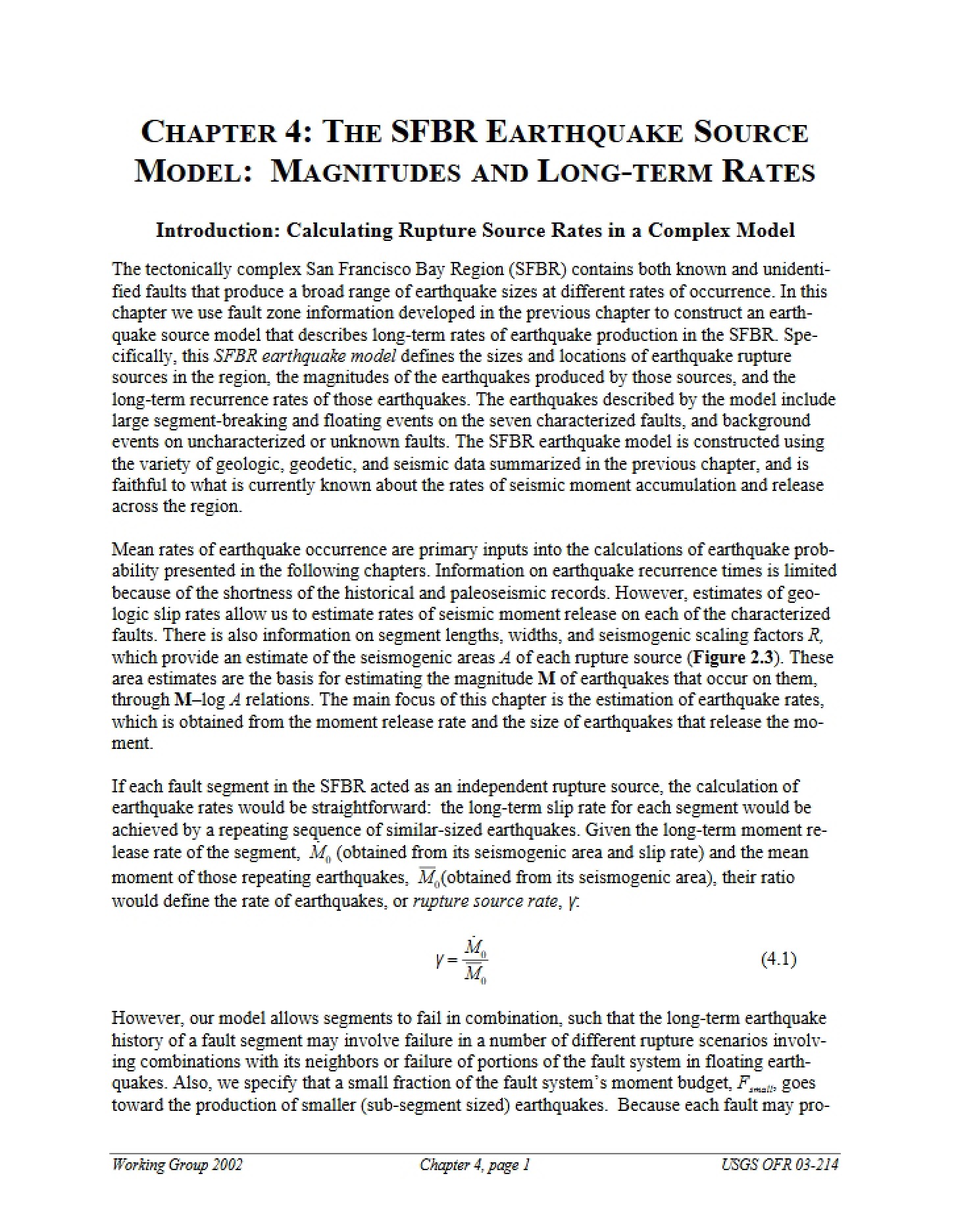
This is a detailed study guide focusing on earthquake probability assessments within the San Francisco Bay Region. It represents a significant body of work from the Working Group on California Earthquake Probabilities, specifically covering findings and methodologies from the 2002-2031 period. The guide delves into the complex science behind forecasting the likelihood of future seismic events in a highly active geological area, offering a deep dive into the factors considered by leading experts.
Why This Document Matters
This resource is invaluable for students and researchers in seismology, geology, and related fields. It’s particularly useful for those enrolled in advanced coursework concerning earthquake hazards and risk assessment. Professionals involved in urban planning, emergency management, and infrastructure development within the Bay Area will also find this guide to be a crucial reference. Understanding the probabilistic models discussed within can inform critical decision-making processes related to seismic safety and preparedness.
Topics Covered
* Historical context of earthquake probability studies in California
* The nature of uncertainty in earthquake forecasting – both inherent and knowledge-based
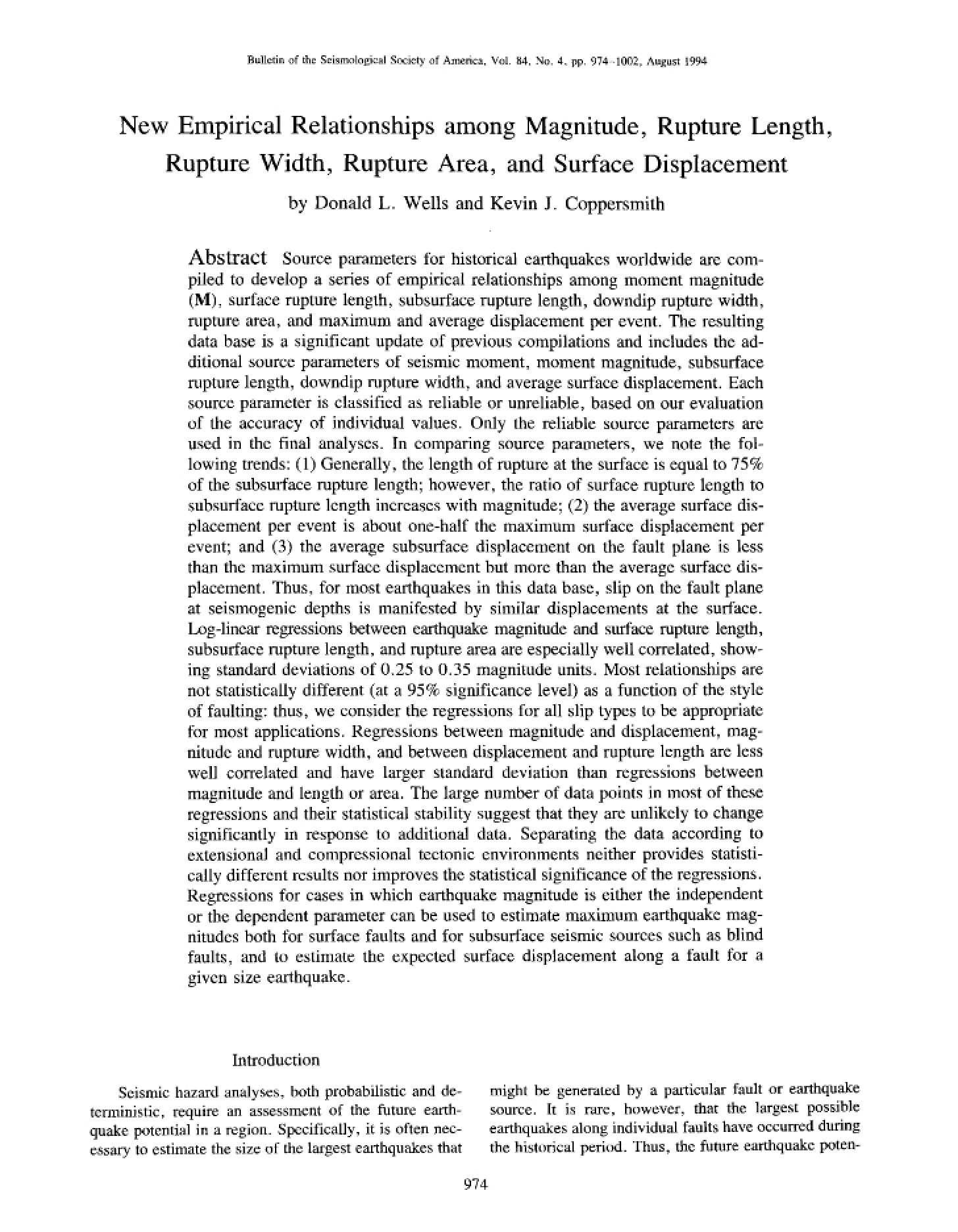
* Detailed examination of earthquake modeling techniques and parameters
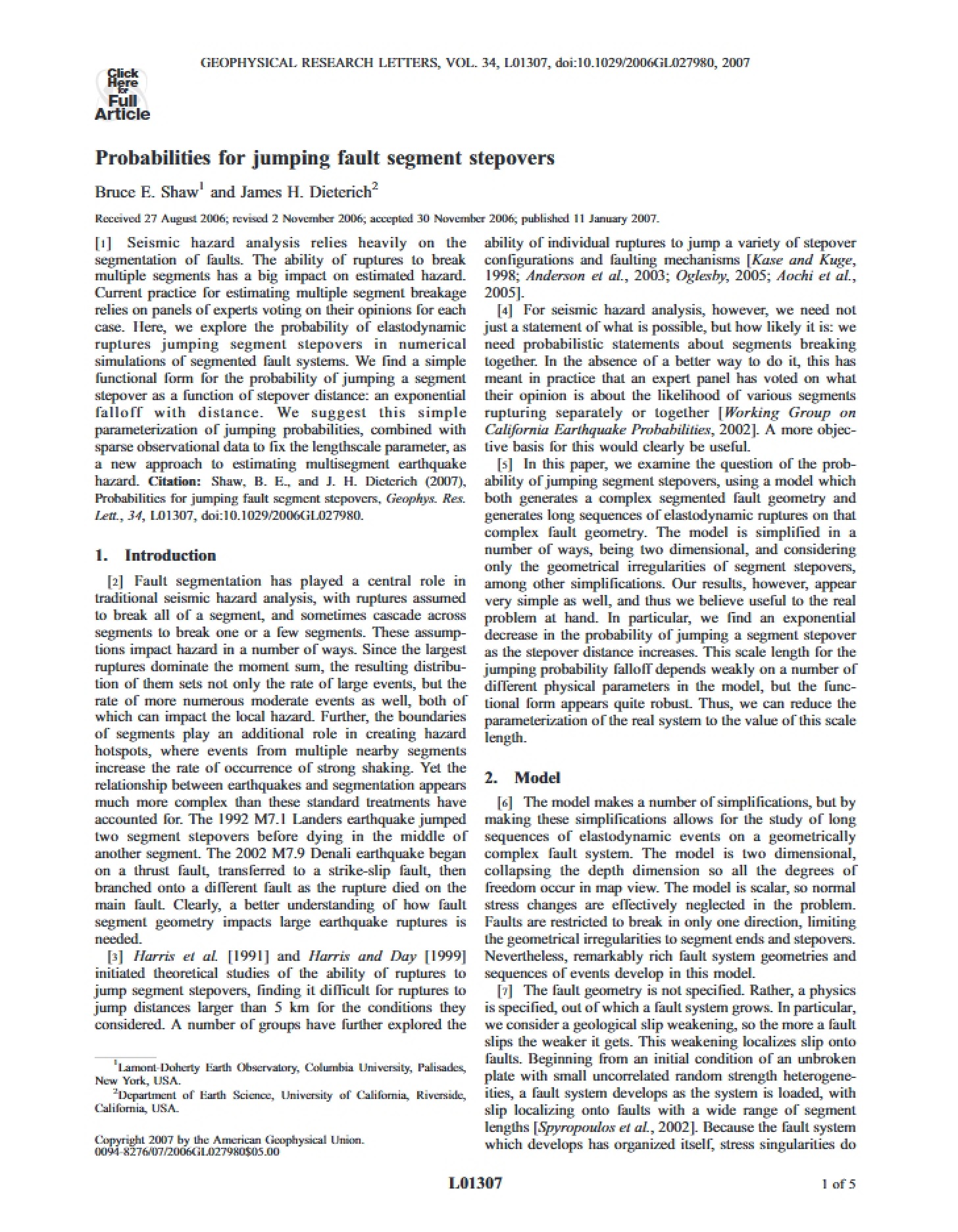
* Analysis of fault segmentation and rupture scenarios within the Bay Area
* Methods for evaluating strain accumulation and release
* Different statistical models used to estimate earthquake recurrence
* Regional considerations impacting probability calculations
What This Document Provides
* A comprehensive overview of the methodologies employed by the Working Group on California Earthquake Probabilities.
* Exploration of various factors influencing earthquake probabilities, including fault characteristics and historical seismicity.
* Discussion of the strengths and limitations of different probability models.
* Insight into the quantification of uncertainties associated with earthquake forecasts.
* A detailed look at the geographical scope and fault segments considered in the analysis.
* A foundation for understanding the evolving science of earthquake hazard assessment.