What This Document Is
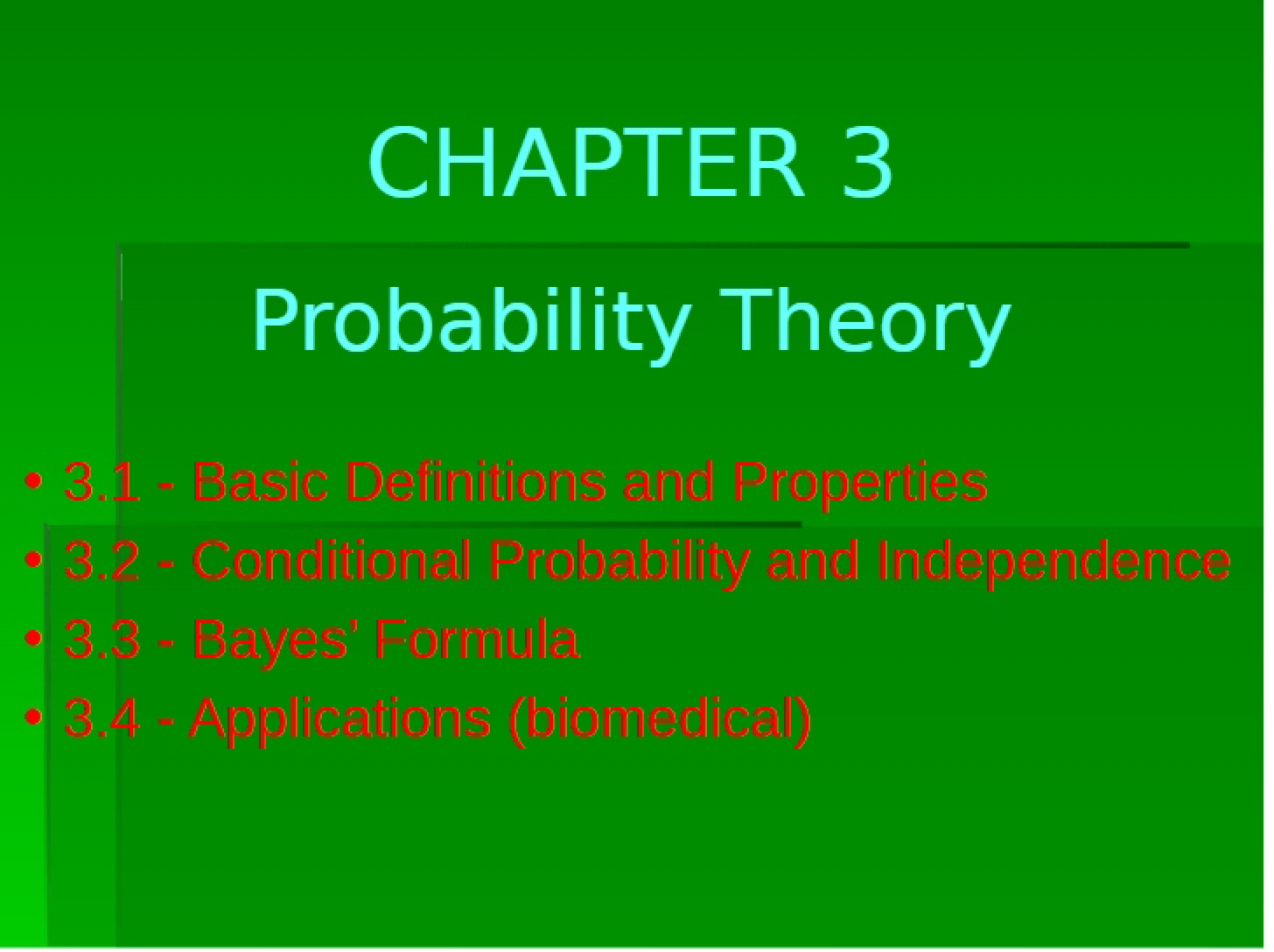
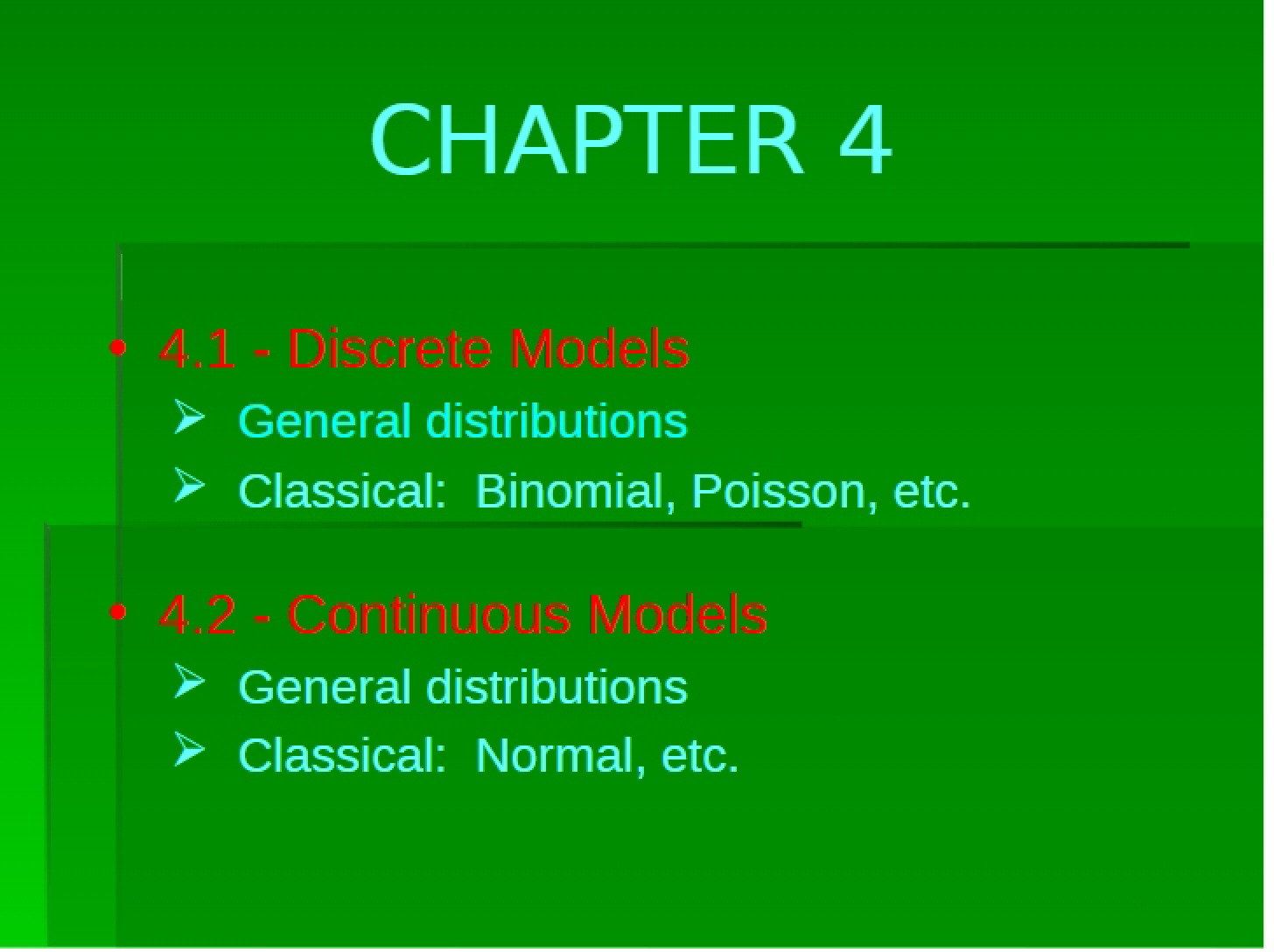
This is a problem set designed to reinforce your understanding of core probability concepts within the Introduction to Statistical Methods (STAT 301) course at the University of Wisconsin-Madison. It’s structured as a practical exercise, requiring you to apply theoretical knowledge to solve a variety of probability-based scenarios. The assignment focuses on translating real-world situations into probabilistic models and calculating associated probabilities. It builds upon material covered in chapters 13 and 14 of the recommended textbook.
Why This Document Matters
This problem set is crucial for students seeking to solidify their grasp of probability. Successfully completing these exercises will demonstrate your ability to analyze data, identify relevant probabilistic principles, and accurately calculate probabilities in diverse contexts. It’s particularly valuable for students preparing for exams or further coursework in statistics, data science, or related fields. Working through these problems will help you develop the analytical skills needed to interpret statistical results and make informed decisions. This assignment is designed to be completed after studying the relevant textbook chapters and attending lectures.
Common Limitations or Challenges
This document does *not* provide step-by-step solutions or fully worked-out examples. It presents problems that require independent thought and application of learned techniques. It also assumes a foundational understanding of probability concepts, including conditional probability, independence, and basic probability rules. The assignment focuses on problem-solving and doesn’t offer extensive review of underlying theory. It is intended as a practice tool, not a comprehensive learning resource.
What This Document Provides
* A series of probability problems, some directly based on textbook exercises.
* Real-world scenarios involving data analysis and probabilistic modeling (e.g., electronics sales, SAT scores).
* Problems requiring the application of concepts like independence of events.
* Opportunities to practice translating word problems into mathematical expressions.
* Exercises designed to test your understanding of probability calculations and interpretations.
* A completeness grade component to encourage diligent effort.