What This Document Is
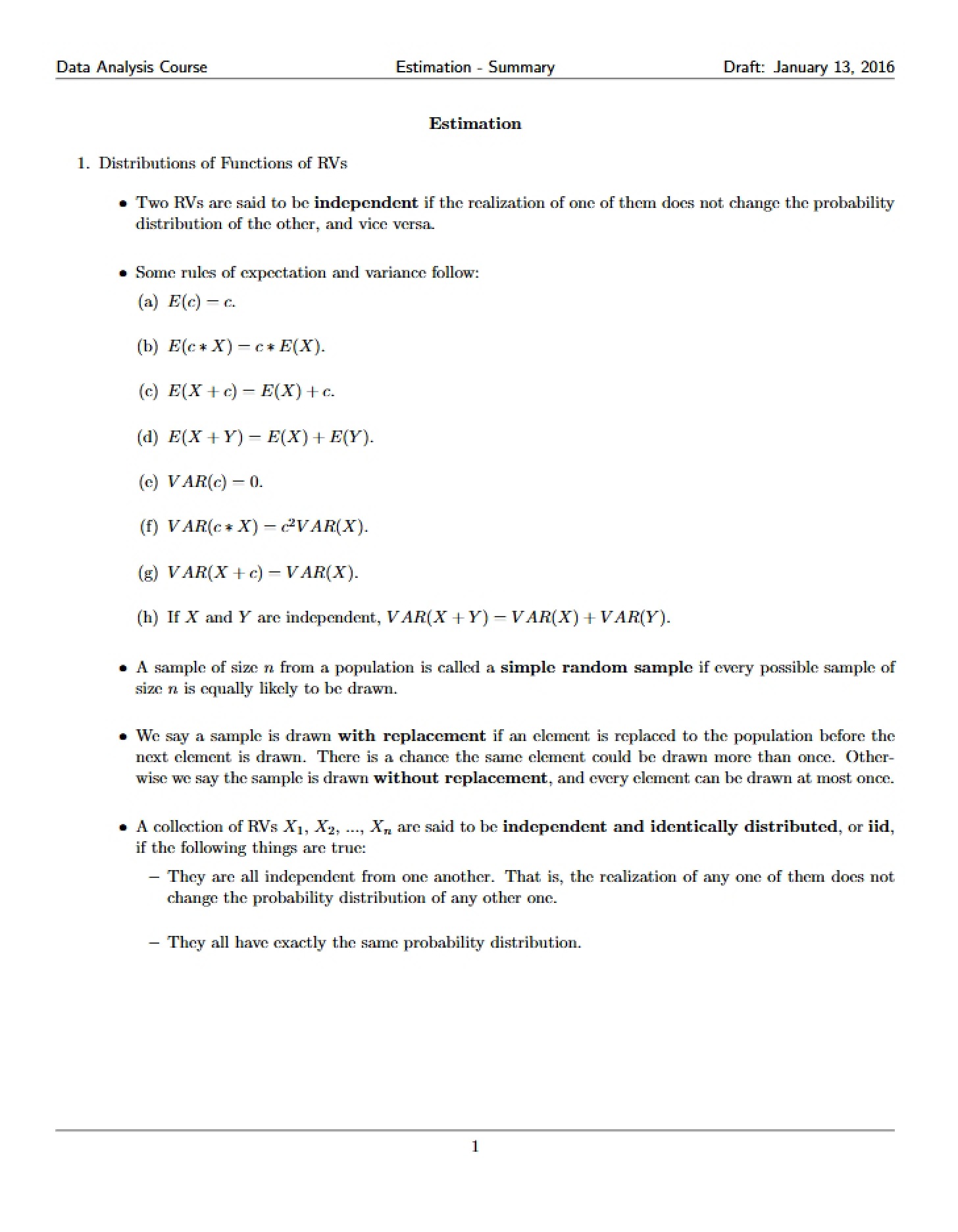
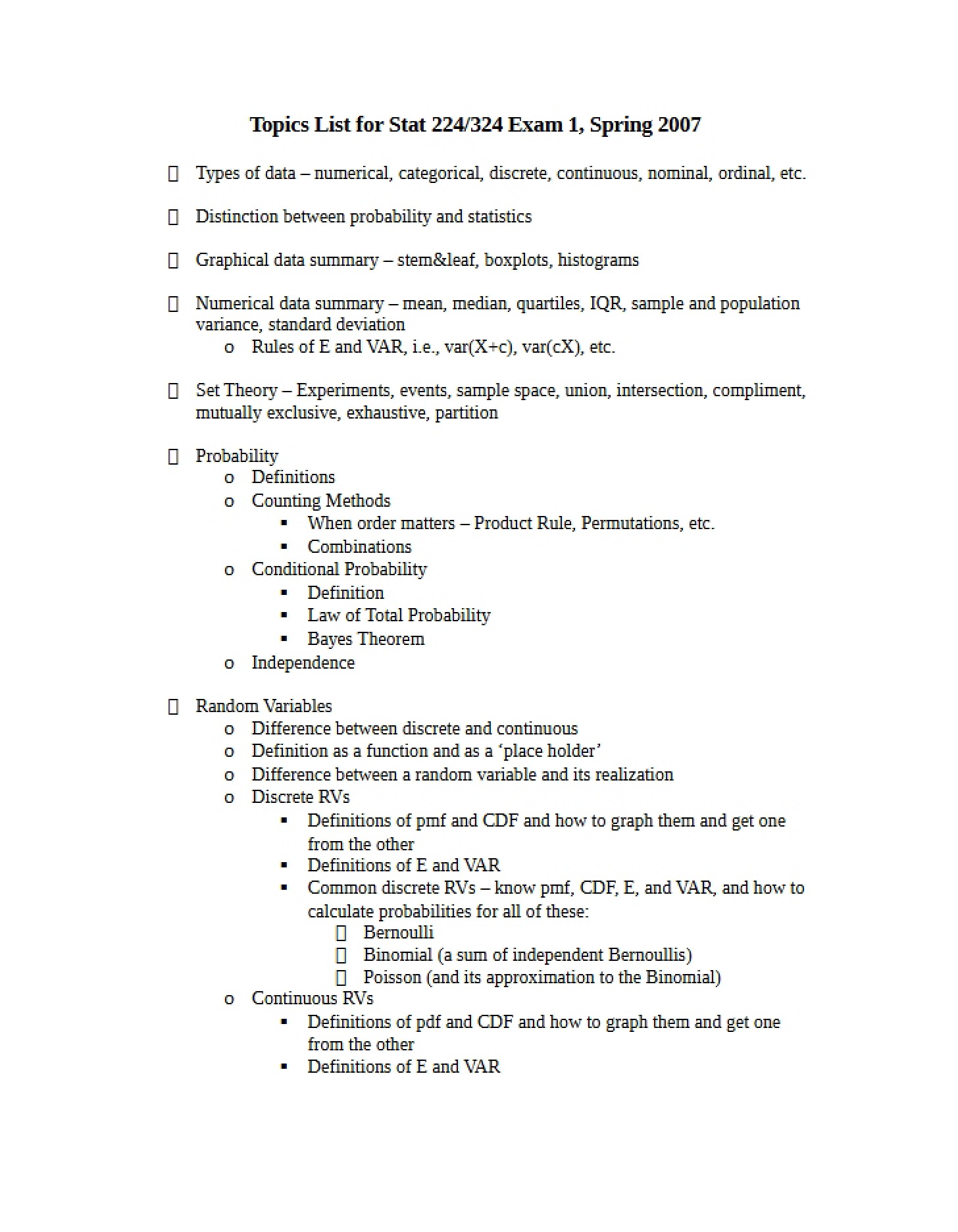
This resource is a focused summary of fundamental probability concepts, designed for students in an introductory engineering statistics course. It serves as a concentrated review of core principles and definitions essential for understanding statistical analysis. The material is presented in a structured format, building from basic definitions to more nuanced relationships between events. It’s intended to be a companion to lectures and textbook readings, not a replacement for them.
Why This Document Matters
This summary is particularly valuable for engineering students who need a solid grounding in probability to succeed in subsequent statistics courses and apply statistical methods to their field. It’s ideal for students preparing for quizzes or exams, or those needing a quick refresher on key concepts before tackling more complex problems. Students who find themselves struggling with the theoretical underpinnings of statistical inference will find this a helpful resource to solidify their understanding. It’s also useful for anyone looking to review the foundational logic behind data analysis.
Common Limitations or Challenges
This summary focuses on the *concepts* of probability and does not include detailed worked examples or practice problems. It will not teach you *how* to calculate probabilities in specific scenarios, nor does it cover advanced topics like conditional probability distributions or Bayesian statistics. It assumes a basic level of mathematical maturity and familiarity with set theory. This resource is a starting point, and further study will be required to master the application of these principles.
What This Document Provides
* A clear distinction between the fields of probability and statistics.
* Definitions of key terms like random process, outcome, and event.
* An overview of different interpretations of probability.
* Fundamental properties governing how probabilities are assigned and calculated.
* An explanation of the concept of independence between events.
* A foundational understanding of how probabilities relate to the likelihood of occurrences.