What This Document Is
This is a problem set for EE 503, a graduate-level course in Probability and Random Processes at the University of Southern California. Specifically, it’s Problem Set #9 from Spring 2016, designed to reinforce understanding of core concepts through practical application. The set focuses on applying theoretical knowledge to solve a variety of problems related to random variables, probability densities, and statistical analysis. It builds upon material covered in lectures and the course textbook.
Why This Document Matters
This problem set is crucial for students enrolled in EE 503, or similar courses in electrical engineering, statistics, or applied mathematics. Successfully completing these problems demonstrates a firm grasp of probability theory and its application to engineering systems. It’s best utilized *after* attending relevant lectures and reviewing the assigned textbook readings. Working through these problems will prepare you for more advanced topics and potential examinations. It’s an excellent tool for self-assessment and identifying areas where further study is needed.
Common Limitations or Challenges
This problem set does *not* provide step-by-step solutions or fully worked-out examples. It presents problems that require independent thought and application of the principles learned in class. It assumes a foundational understanding of probability, random variables, and common probability distributions. While hints are occasionally provided, the primary expectation is that students will leverage their course materials and problem-solving skills to arrive at the correct answers. Access to the course textbook and lecture notes is highly recommended.
What This Document Provides
* A series of problems relating to the properties and manipulation of random variables.
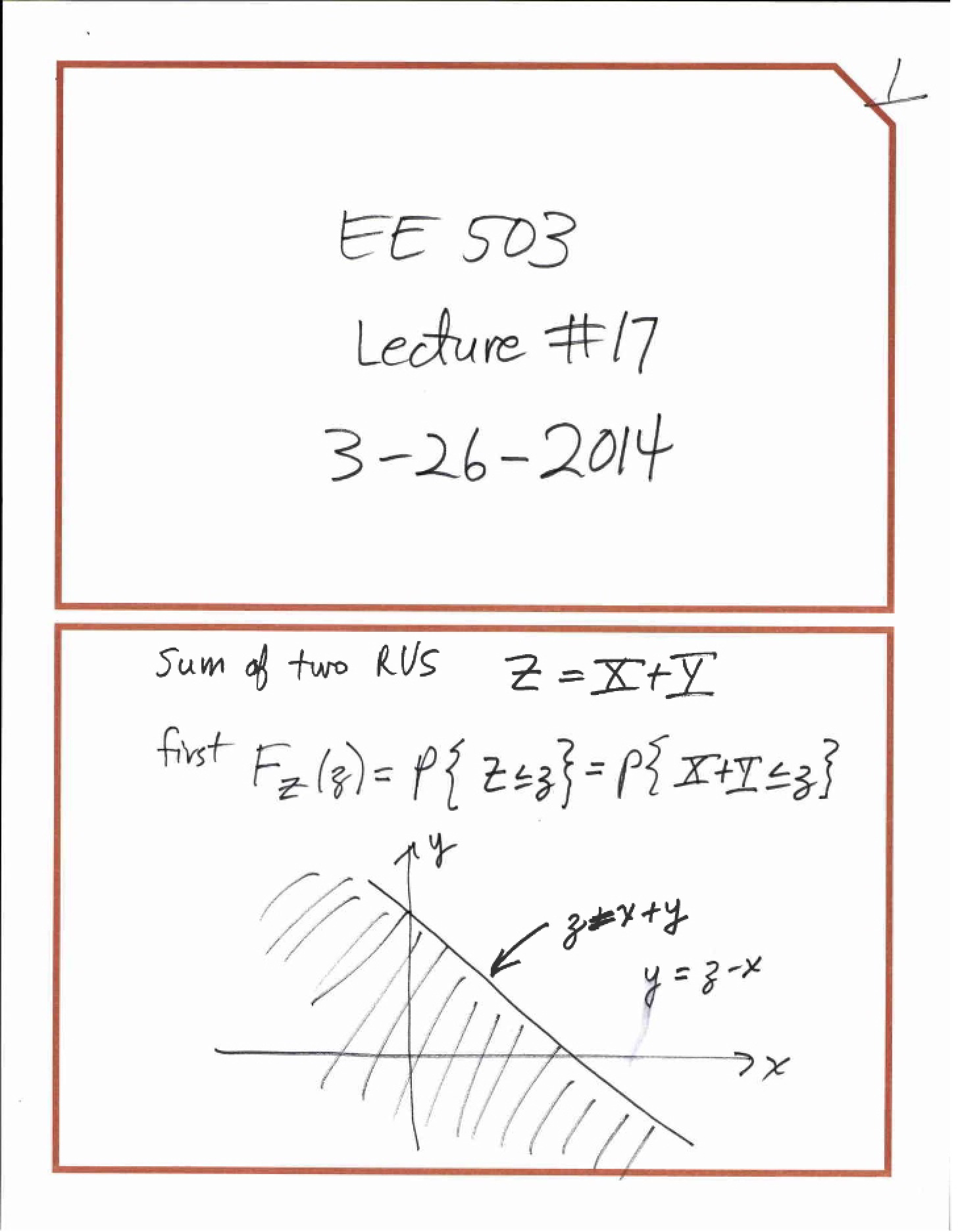
* Exercises focused on applying concepts like the density of the sum of independent random variables.
* Problems involving specific probability distributions, including normal and exponential distributions.
* Tasks requiring the calculation of probability density functions, means, and variances.
* Opportunities to practice techniques like “completing the square” within a probabilistic context.
* Problems exploring the independence of jointly distributed random variables.
* References to specific sections within the course’s Lecture Guide (LG3) for relevant background material.