What This Document Is
This document details an in-depth experiment designed for a graduate-level Game Theory course, specifically focusing on the complexities of international oil markets and the strategic interactions between producing nations. It outlines the rules, mechanics, and logistical details of a simulation where students take on the roles of key players within the Organization of the Petroleum Exporting Countries (OPEC). The experiment aims to provide a practical understanding of cartel dynamics, competitive strategy, and market equilibrium in a resource-dependent industry.
Why This Document Matters
This material is essential for students enrolled in advanced economics or business strategy courses, particularly those with an interest in energy markets, international relations, or competitive game theory. It’s most valuable when preparing to participate in the OPEC oil production simulation, or when seeking a deeper understanding of the challenges and opportunities inherent in managing a scarce resource within a global context. Students will benefit from reviewing this before, during, and after the simulation to maximize their learning experience.
Topics Covered
* OPEC dynamics and cartel formation
* Strategic decision-making in oligopolistic markets
* Supply and demand analysis in the oil industry
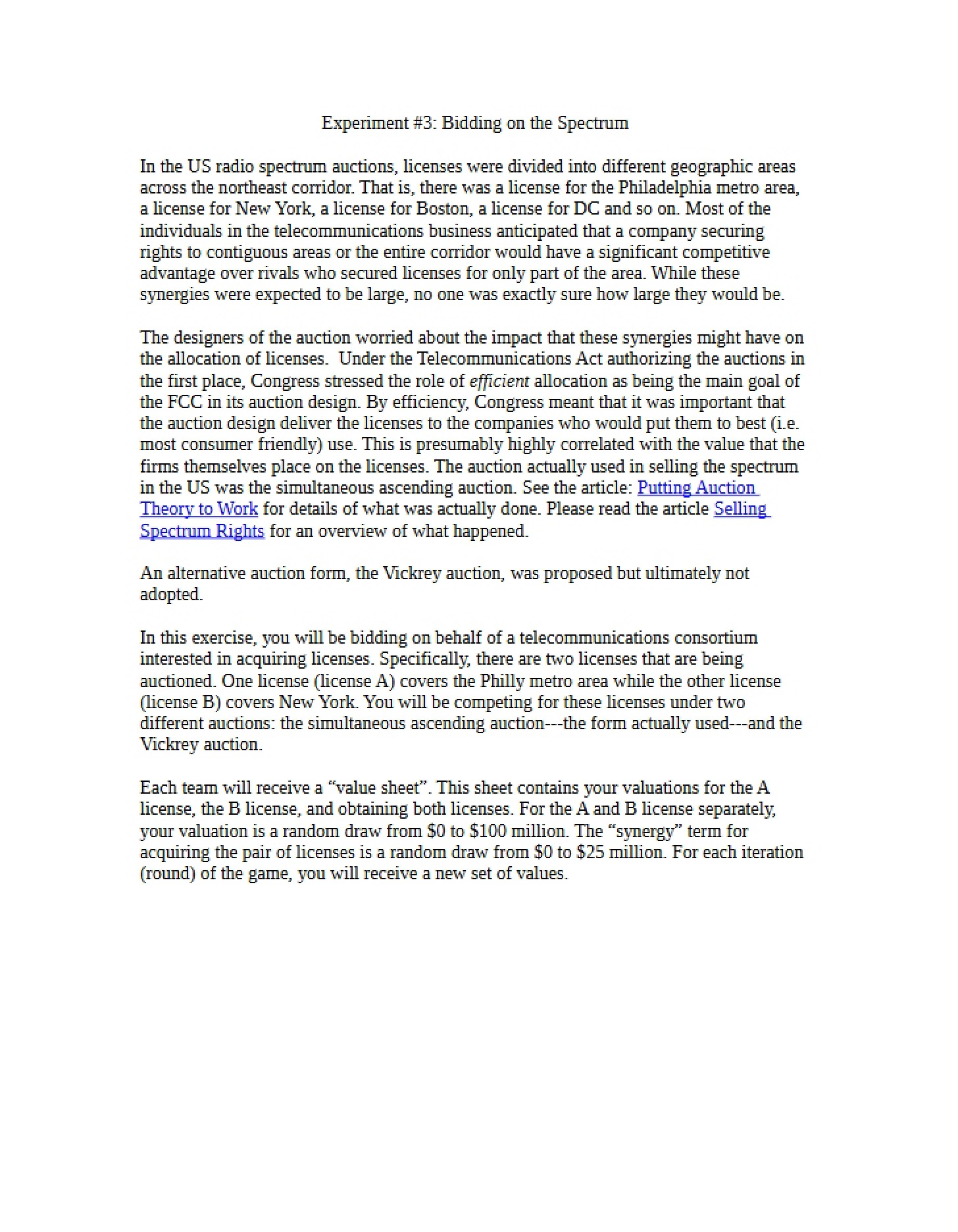
* Auction mechanisms and bidding strategies
* The impact of external factors (like technological disruption) on market stability
* Profit maximization under conditions of uncertainty
* Market equilibrium and price determination
What This Document Provides
* A comprehensive overview of the simulation’s rules and procedures.
* Details regarding country representation and the auction process for acquiring roles.
* Information on how market prices are determined based on collective production levels.
* An explanation of the cost structure associated with oil extraction.
* A description of the potential for unexpected events to impact long-term profitability.
* Logistical information for submitting production quantities during both in-class and out-of-class rounds.
* The role and responsibilities of the market mediator.