What This Document Is
This is a lecture resource focusing on the critical topic of blood products in the context of pharmacotherapy. Specifically, it delves into the components of blood, how those components are utilized in various transfusion therapies, and the considerations surrounding their use. It’s designed for students studying advanced pharmacology and related healthcare fields, offering a foundational understanding of this essential clinical area. The material is structured around key objectives related to blood component identification, appropriate indications for transfusion, potential complications, and pre-treatment protocols.
Why This Document Matters
This resource is invaluable for pharmacy students, medical students, and other healthcare professionals who need a solid grasp of blood product administration. Understanding the nuances of blood transfusions – when they are necessary, what each product offers, and the risks involved – is crucial for safe and effective patient care. It’s particularly helpful when preparing for clinical rotations or advanced coursework where you’ll be directly involved in medication management and patient monitoring related to these therapies. This material will help build a strong base for understanding complex clinical scenarios.
Common Limitations or Challenges
This resource provides a detailed overview of blood products, but it does not offer clinical case studies or detailed dosage calculations. It focuses on the *principles* behind blood product use, rather than providing a step-by-step guide for specific patient situations. It also doesn’t cover all possible adverse reactions or drug interactions; those are typically addressed in more specialized pharmacotherapy texts. Access to the full content is required for a complete understanding of the subject.
What This Document Provides
* A breakdown of the key components of blood – including red blood cells, white blood cells, platelets, and plasma – and their respective functions.
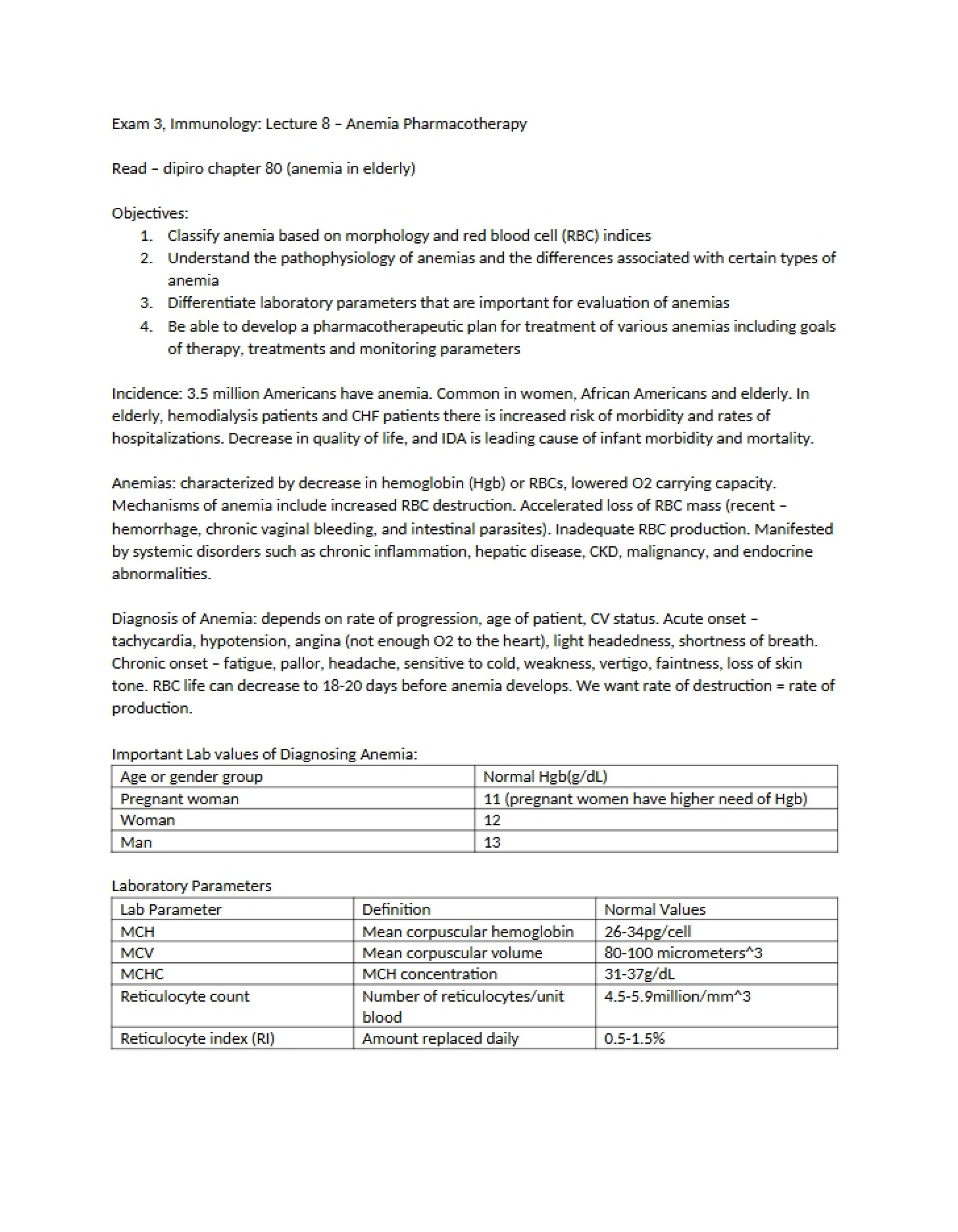
* An overview of common blood tests used to assess blood health and identify potential issues.
* A discussion of different blood types and compatibility considerations for transfusion.
* Detailed information on various blood products available for transfusion, including whole blood, platelets, packed red blood cells, and fresh frozen plasma.
* An exploration of the indications for using each type of blood product in different clinical scenarios.
* An introduction to the coagulation cascade and related factors.
* Information on specialized blood products like cryoprecipitate and specific factor concentrates.