What This Document Is
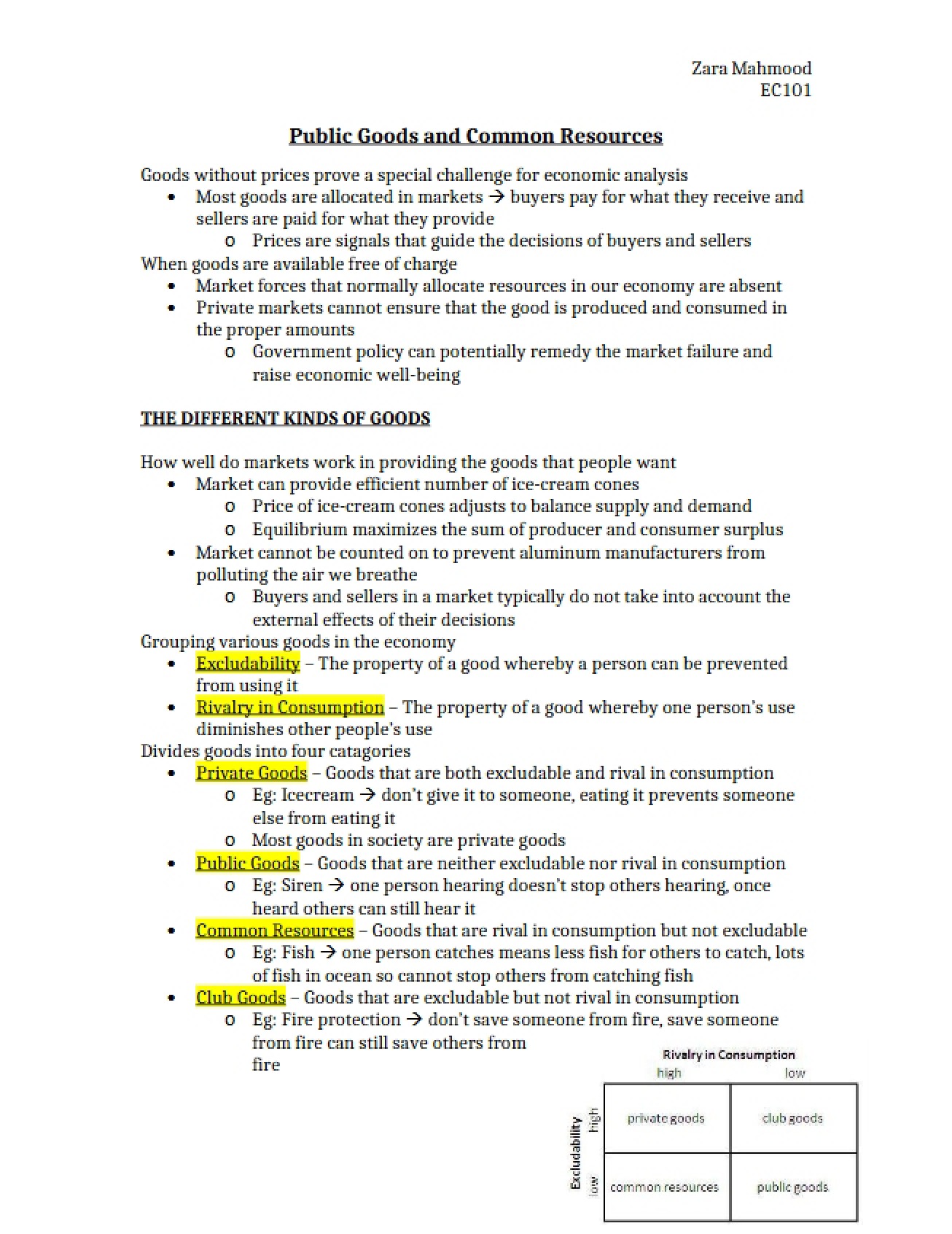
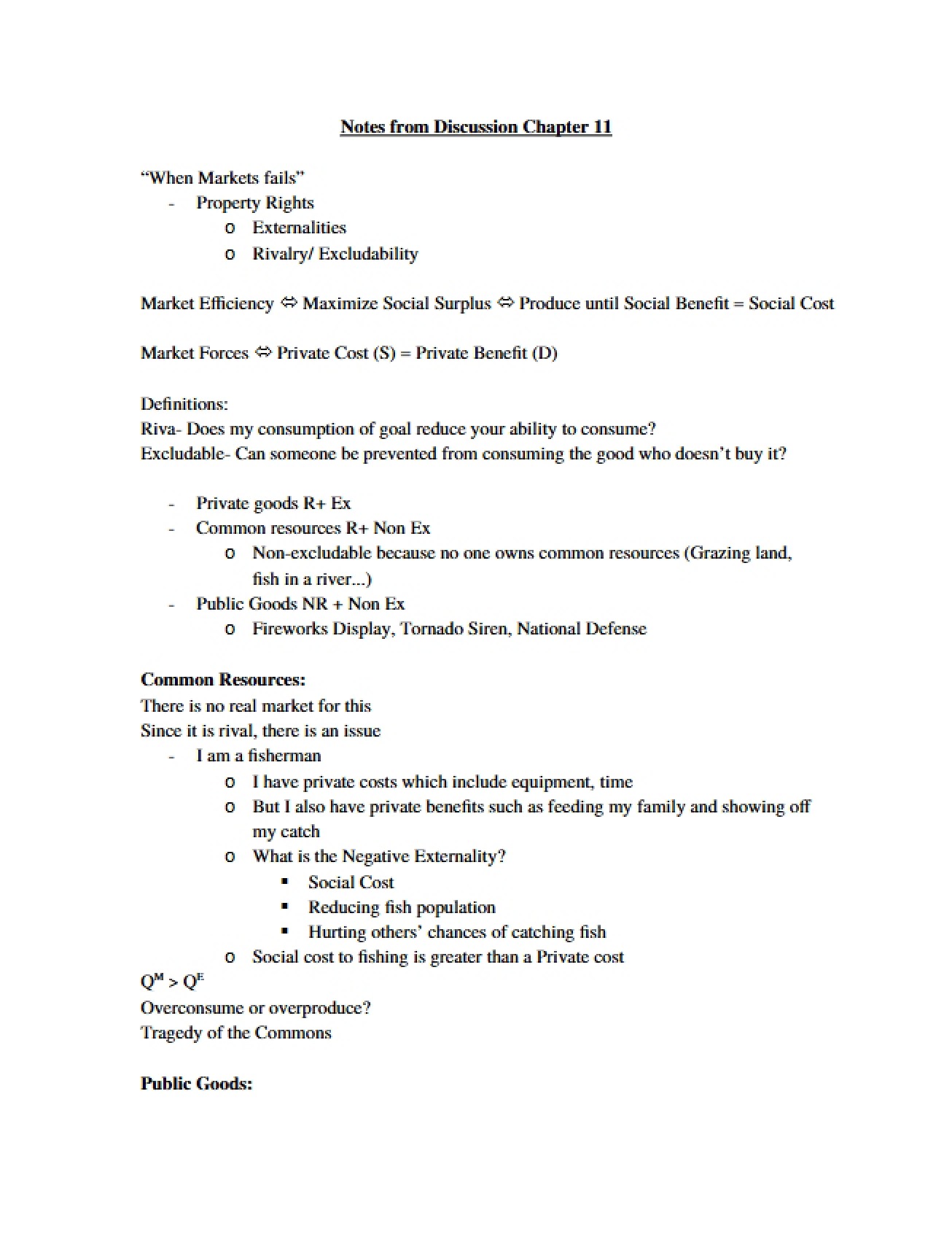
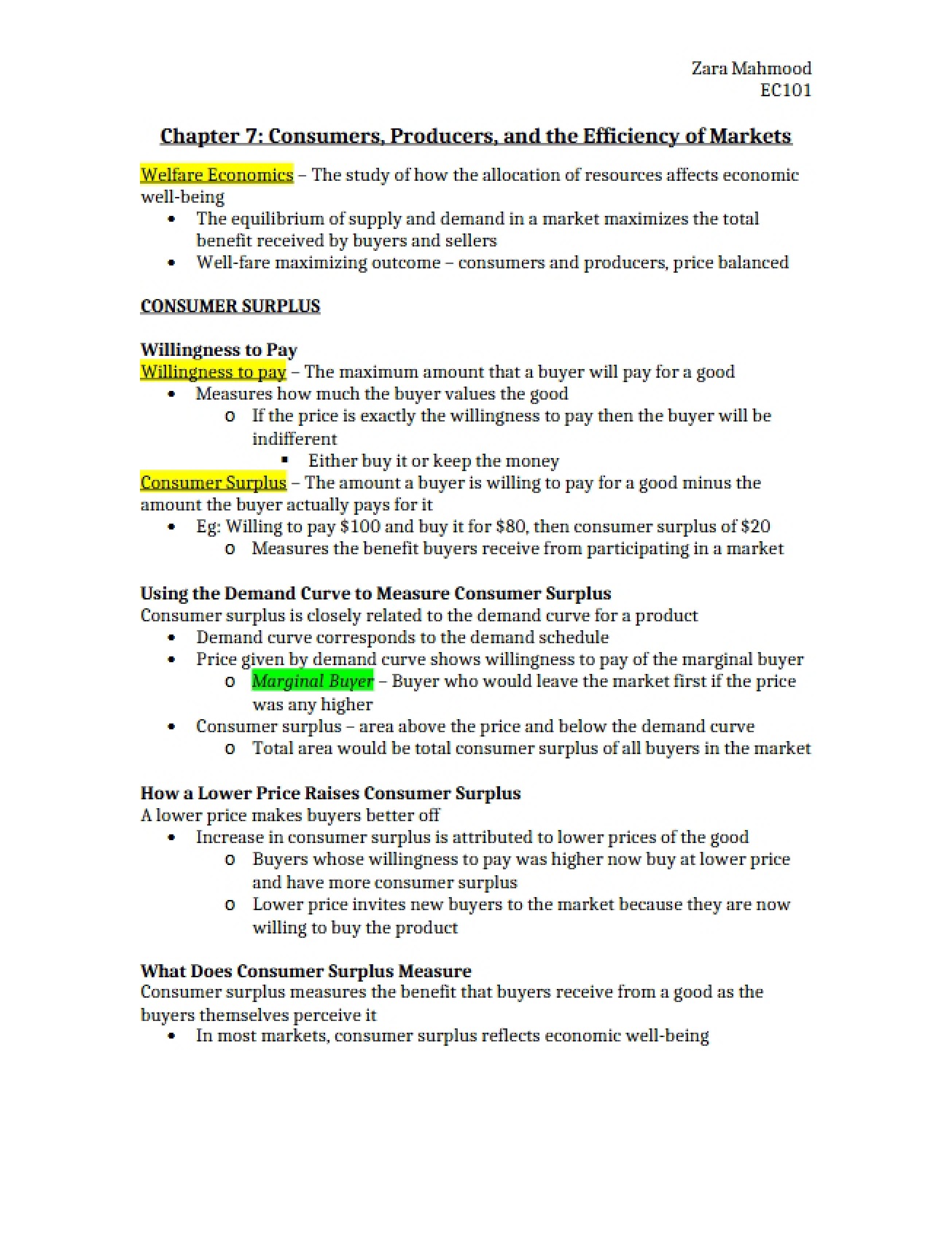
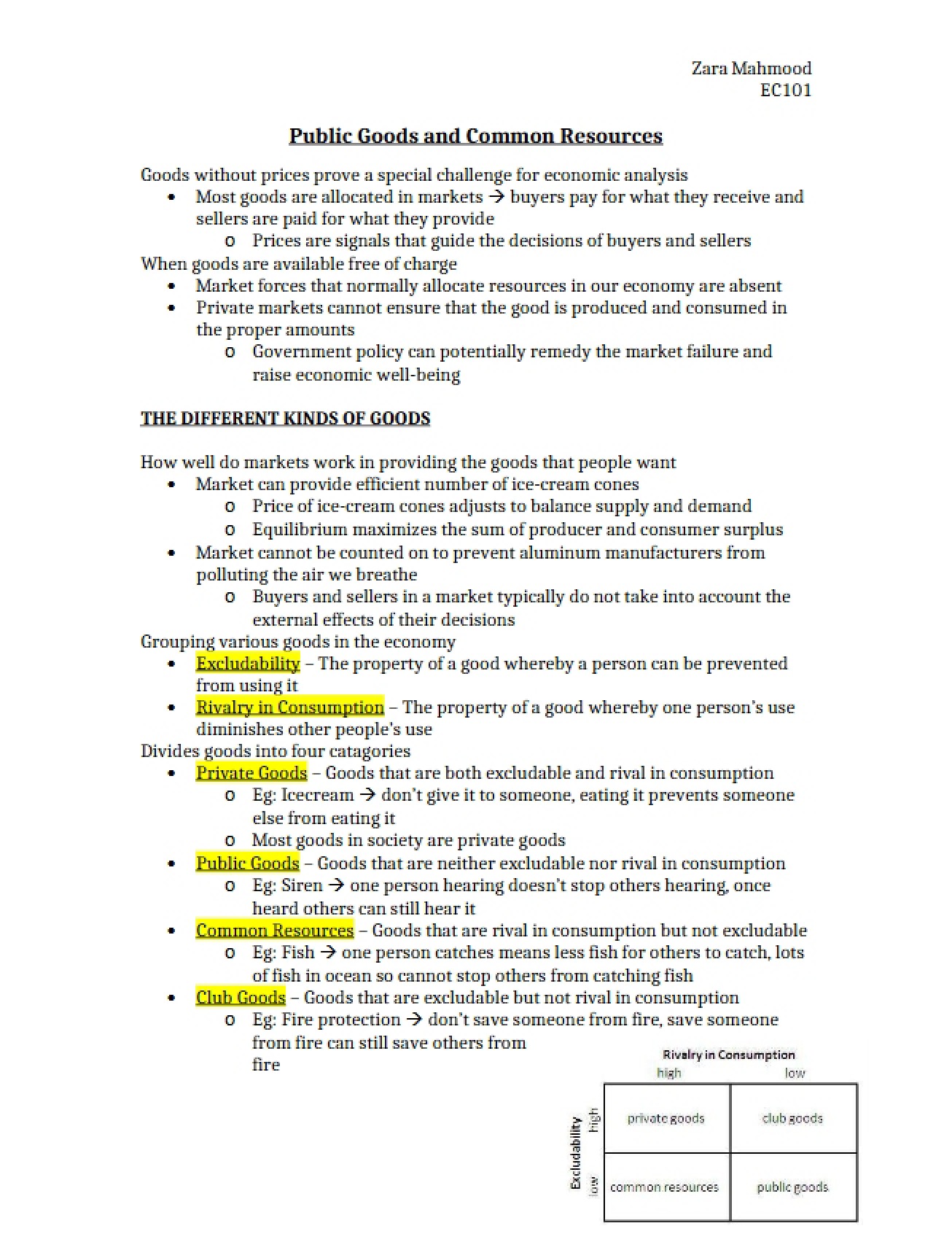
This document comprises Professor Manove’s lecture notes from the first eight sessions of Boston University’s EC 101 Microeconomics course (2019). It provides a foundational overview of core economic principles, beginning with the fundamental concept of scarcity and moving into the mechanics of free markets. The notes cover key terminology and introduce the basic framework economists use to analyze human behavior related to production and distribution.
Why This Document Matters
These lecture notes are essential for students currently enrolled in or planning to take introductory microeconomics courses. They serve as a concentrated review of early-course material, offering a structured recap of concepts frequently revisited throughout the semester. They are particularly valuable for clarifying complex ideas and preparing for subsequent lectures or assignments. Anyone seeking a concise introduction to economic thinking—even outside a formal course—can benefit from this resource.
Common Limitations or Challenges
These notes are a *record* of lectures, not a self-contained textbook. They require accompanying coursework (textbook readings, problem sets) for full comprehension. The notes present concepts; they do not offer practice problems or detailed real-world applications beyond those briefly mentioned. This preview does not include all examples or nuances presented in the full set of lecture notes.
What This Document Provides
The full document includes:
* Definitions of core economic concepts like opportunity cost, incentives, and wealth (physical, human, and social capital).
* An explanation of the differences between command economies and free market systems.
* A discussion of voluntary exchange and the role of markets (including barter and selling/buying).
* An introduction to economic agents: firms, governments, and households.
* Distinctions between goods and services.
* A foundational understanding of production and distribution processes.
This preview provides a high-level overview of the document’s scope and content. It does *not* include detailed explanations of economic models, statistical analysis, or in-depth case studies.