What This Document Is
This study guide focuses on the physical properties of a core class of organic compounds – alkanes. It’s designed for students in an introductory organic chemistry course, specifically those grappling with understanding how molecular structure influences observable characteristics. The material presented centers around the relationship between a molecule’s composition and its measurable physical state. It explores concepts crucial for predicting and interpreting behavior without delving into chemical reactions.
Why This Document Matters
Students enrolled in CHEM 310 at Winthrop University, or similar organic chemistry courses, will find this resource particularly helpful when building a foundational understanding of intermolecular forces. It’s ideal for use *before* tackling more complex topics like reaction mechanisms or spectroscopy, as a firm grasp of physical properties is essential for success in those areas. This guide can be used for review during exam preparation, or as a supplemental resource when working through homework assignments. It’s especially beneficial for visual learners who benefit from seeing structural representations alongside property discussions.
Common Limitations or Challenges
This guide concentrates specifically on physical properties and does *not* cover chemical reactivity, synthesis methods, or spectroscopic analysis. It focuses on a specific family of organic compounds – straight-chain alkanes – and doesn’t provide an exhaustive overview of *all* organic molecules. While it touches upon the factors influencing certain properties, it doesn’t offer detailed calculations or quantitative problem-solving techniques. It’s intended as a conceptual overview, not a complete problem set or laboratory manual.
What This Document Provides
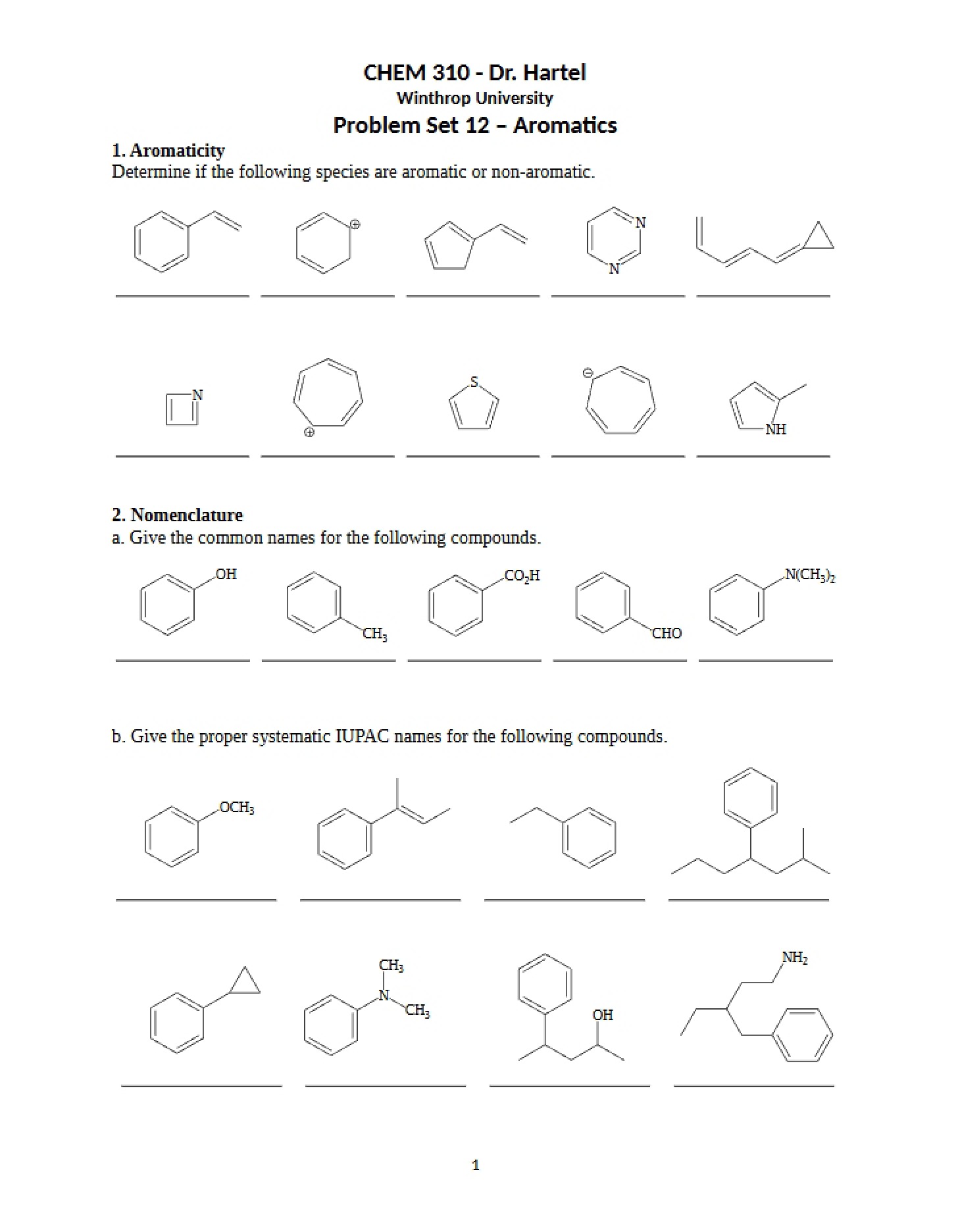
* Illustrations of alkane structures using both condensed and skeletal formulas.
* An exploration of the relationship between molecular size and specific physical characteristics.
* Discussion of the types of intermolecular forces present in alkanes.
* A framework for understanding trends in physical properties within a homologous series.
* Visual representations to aid in understanding molecular interactions.