What This Document Is
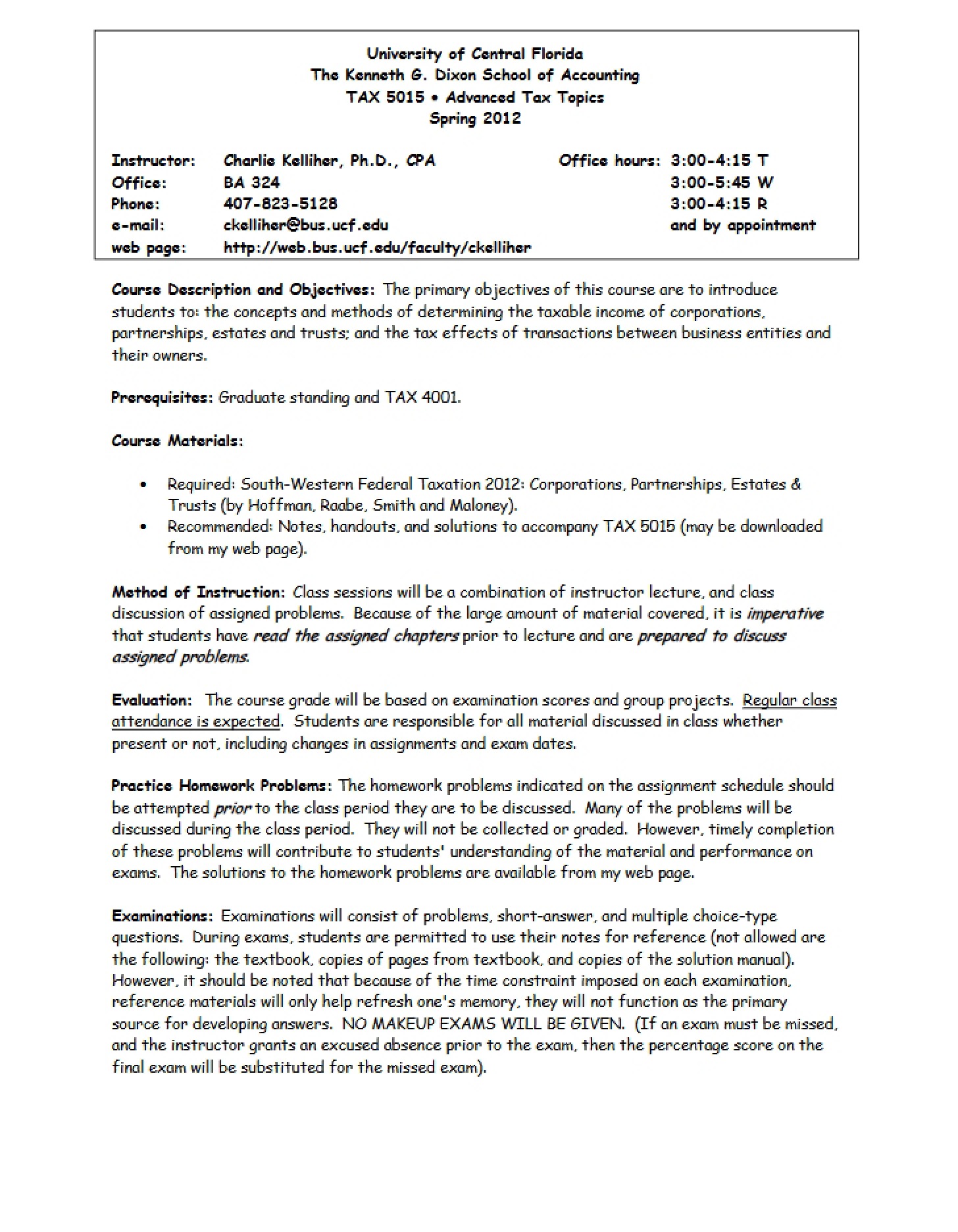
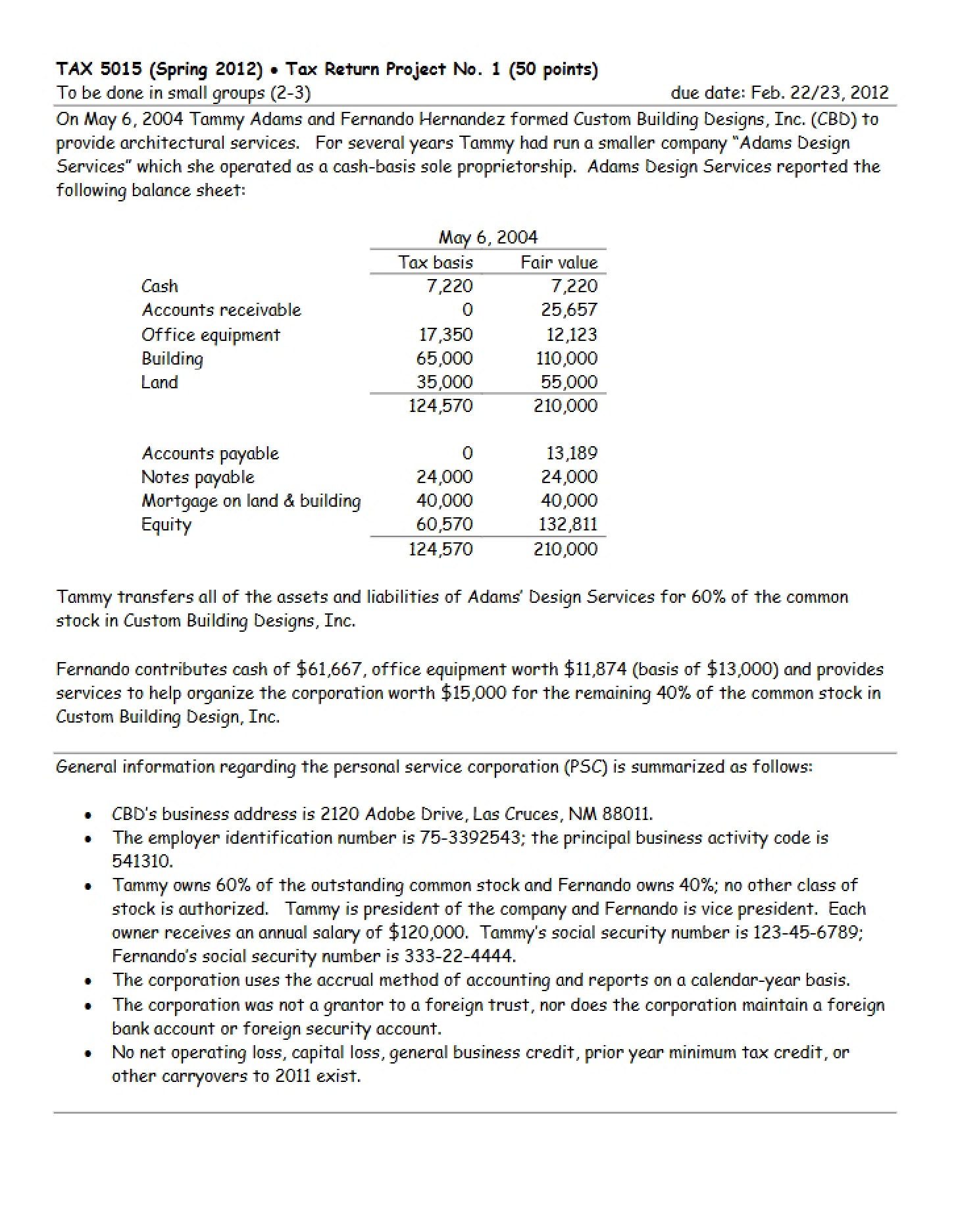
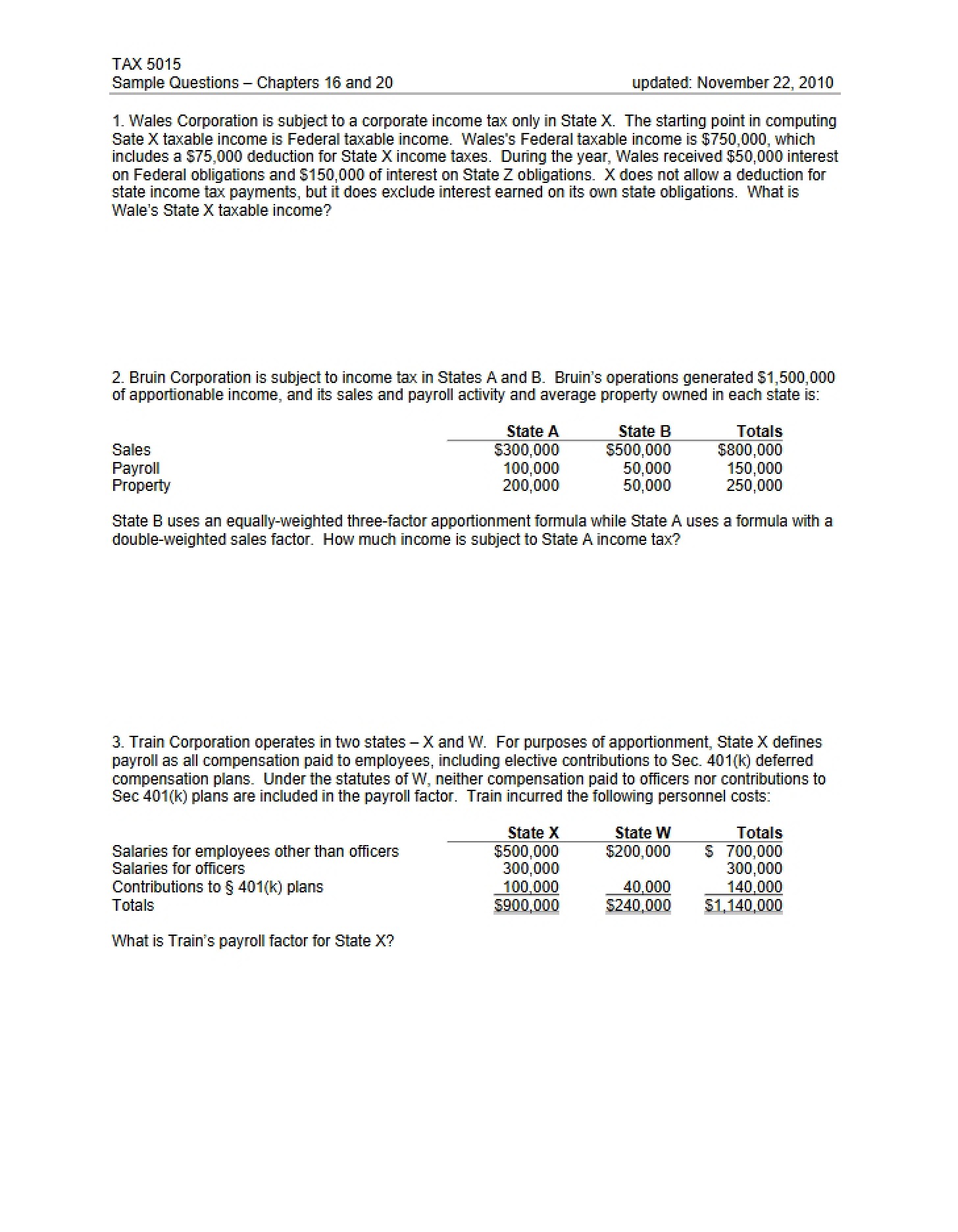
This resource is a collection of sample questions designed to test your understanding of property transactions within the context of corporations, partnerships, and trusts. Specifically geared towards students enrolled in TAX 5015 at the University of Central Florida, these questions offer a focused review of key concepts related to federal taxation. The questions are formatted to mimic the types of challenges you might encounter in course assessments, providing valuable practice for solidifying your knowledge.
Why This Document Matters
This question set is ideal for students preparing for quizzes, midterms, or the final exam in TAX 5015. It’s particularly beneficial for those who learn best by applying concepts to practical scenarios. Working through these questions will help you identify areas where your understanding is strong and pinpoint topics requiring further review. It’s a powerful tool for self-assessment and targeted study, allowing you to maximize your preparation and build confidence. Accessing the full set of questions and detailed solutions will provide a comprehensive learning experience.
Topics Covered
* Tax implications of property transfers
* Gain and loss recognition in various business structures
* Section 1245 and 1231 gains and losses
* Net Operating Loss (NOL) calculations and carryovers
* Depreciation recapture and related deductions
* Production Activities Deduction
* Corporate distributions and shareholder-level tax consequences
* Section 351 and 357 transactions
* Basis calculations in different scenarios
* Current and Accumulated Earnings & Profits (E&P)
* Return of Capital considerations
What This Document Provides
* A series of practice questions focused on property transactions.
* Scenarios involving various business entities (corporations, partnerships).
* Opportunities to apply tax law principles to realistic situations.
* A framework for understanding complex tax calculations.
* A means to evaluate your preparedness for TAX 5015 assessments.
* Illustrative examples of how different tax rules interact.