What This Document Is
This is an in-depth exploration of the methodologies used in simulating protein behavior using computational tools. Specifically, it focuses on “force fields” – the sets of equations and parameters that dictate how proteins interact with their environment and themselves within a simulation. It’s a focused review, originally published as part of the *Advances in Protein Chemistry* series, offering a historical perspective alongside current approaches. The material delves into the theoretical underpinnings and practical considerations involved in building accurate and reliable models of protein systems.
Why This Document Matters
This resource is invaluable for graduate students and researchers in fields like biophysics, biochemistry, computational biology, and pharmaceutical sciences. Anyone undertaking molecular dynamics or Monte Carlo simulations of proteins will find this a crucial reference. It’s particularly helpful for those seeking a strong foundational understanding of the choices and trade-offs involved in selecting and implementing appropriate force fields for their research. Understanding these concepts is essential for interpreting simulation results and designing effective studies. It’s ideal for supplementing coursework or as a reference during active research projects.
Common Limitations or Challenges
This document provides a comprehensive overview of force field concepts, but it does not offer a practical, step-by-step guide to *running* simulations. It won’t teach you how to use specific simulation software packages, nor does it provide pre-calculated parameters for specific systems. It’s a theoretical treatment, focusing on the principles behind force field development and evaluation, rather than a “how-to” manual. It also represents a snapshot in time; the field of force field development is constantly evolving.
What This Document Provides
* A historical overview of protein force field development, tracing advancements from early models to contemporary approaches.
* Detailed discussion of prominent force field families, including Amber, CHARMM, and OPLS.
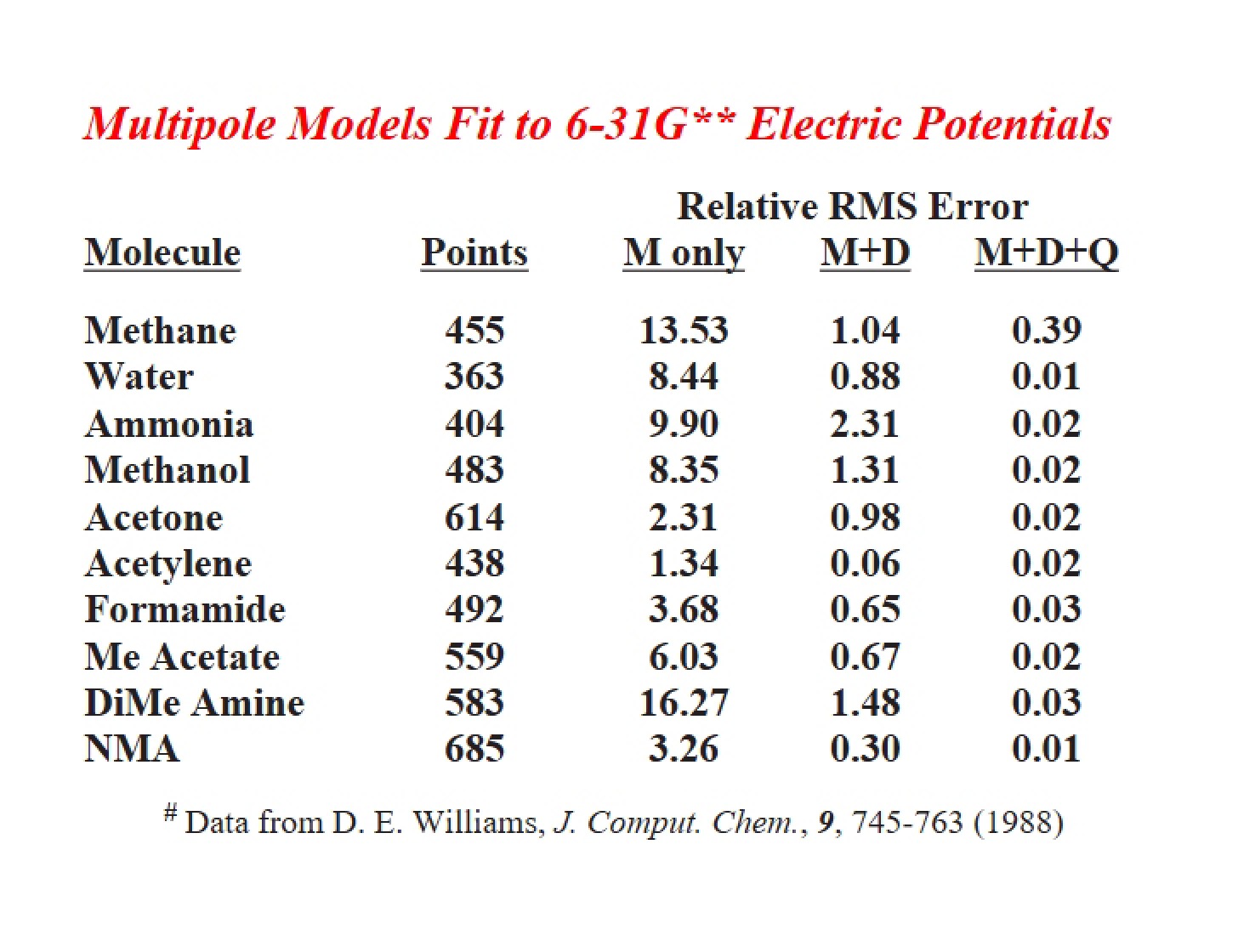
* Examination of the limitations of traditional fixed-charge electrostatic models.
* Exploration of advanced techniques for incorporating polarization and environmental effects into simulations.
* Considerations for modeling the solvent environment surrounding proteins, including various water models and continuum solvent approaches.
* A focused look at the challenges and current state of polarizable force fields.