What This Document Is
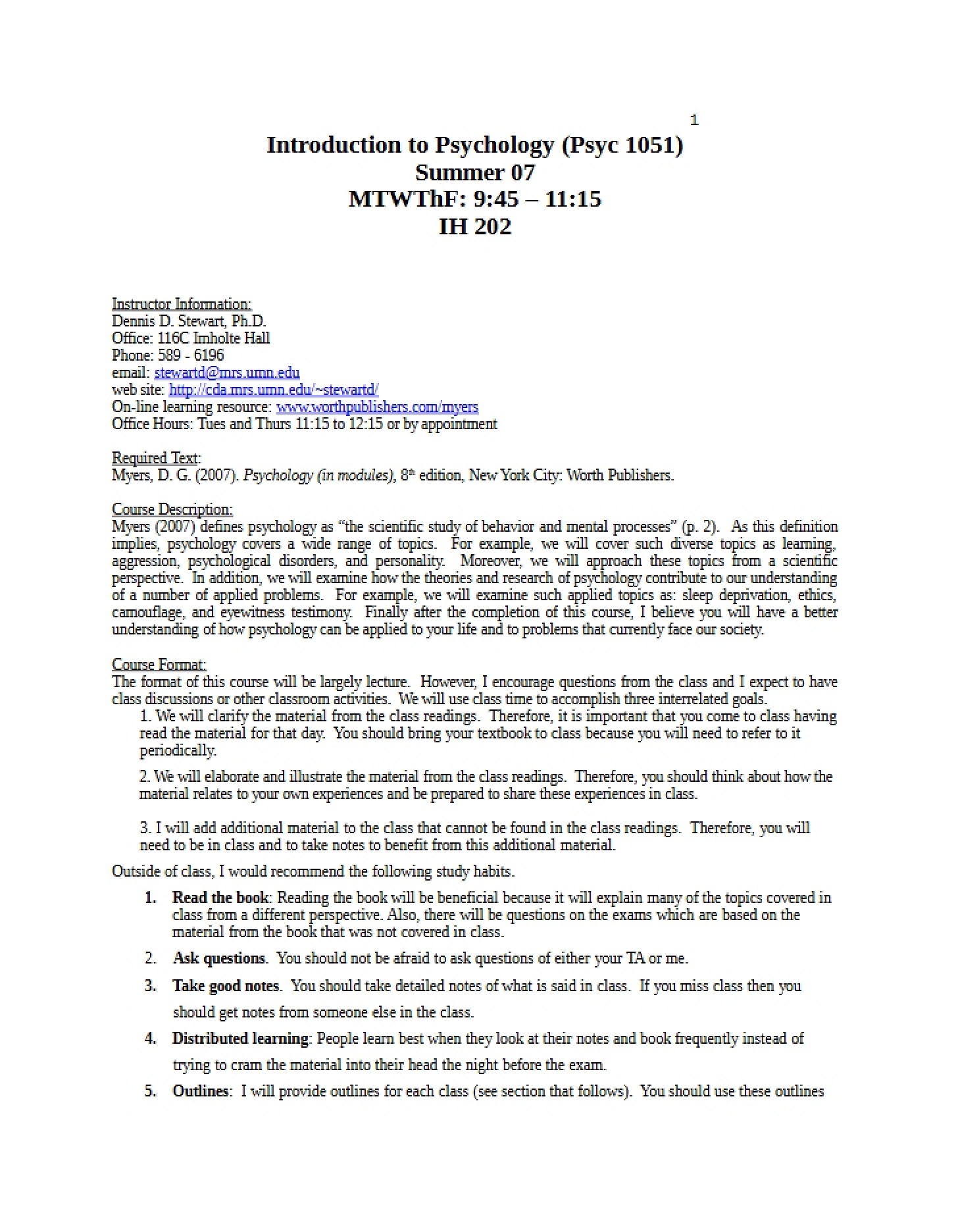
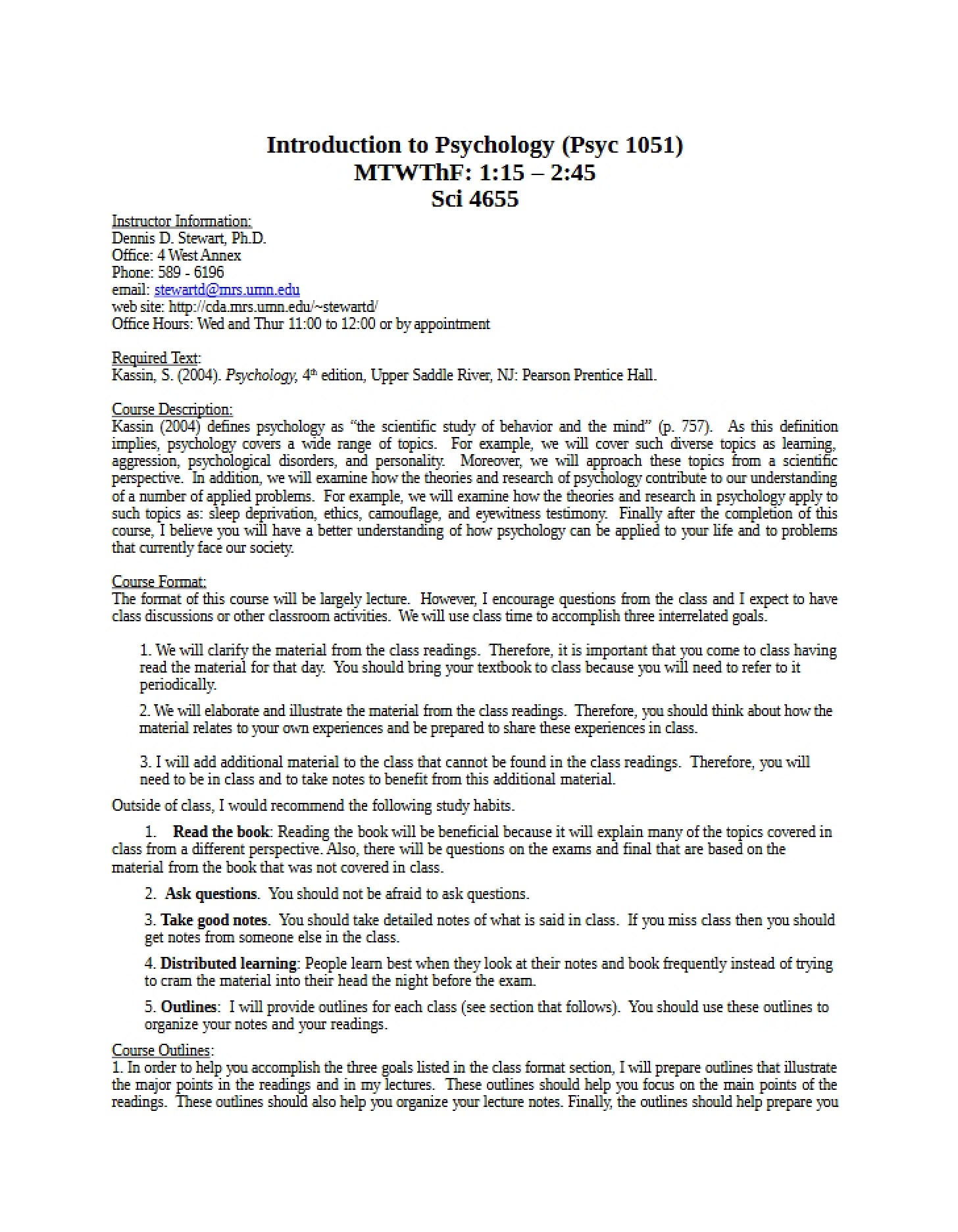
This document provides a comprehensive overview of a university-level Introduction to Psychology course. It functions as a detailed syllabus and course guide, outlining the instructor’s expectations, course structure, and essential resources for students enrolled in PSYC 1051 at the University of Minnesota Twin Cities. It delves into the core principles of the field, emphasizing a scientific approach to understanding behavior and the mind. The document establishes the framework for a semester-long exploration of diverse psychological topics.
Why This Document Matters
This resource is invaluable for students beginning their journey into the world of psychology. It’s particularly helpful during course selection to understand the scope and demands of the class. Current students will find it essential for clarifying course policies, understanding grading expectations, and planning their study strategies. Referencing this guide throughout the semester will help ensure alignment with the instructor’s goals and a successful learning experience. It’s a foundational resource for navigating the course effectively.
Common Limitations or Challenges
While this document lays out the course structure and expectations, it does *not* contain the actual lecture content, specific study materials, or detailed explanations of psychological theories. It doesn’t offer practice questions, exam answers, or a substitute for attending lectures and completing assigned readings. It serves as a roadmap, but the journey of learning the material requires active engagement with the course itself.
What This Document Provides
* Instructor contact information and office hours.
* Required textbook details and author information.
* A detailed course description outlining the breadth of topics covered.
* An explanation of the course format, including the balance between lecture, discussion, and independent study.
* Recommended study habits for success in the course.
* Information regarding the use of course outlines as a study aid.
* Clarification of student responsibilities regarding course material, including content presented both within and outside of provided outlines.