What This Document Is
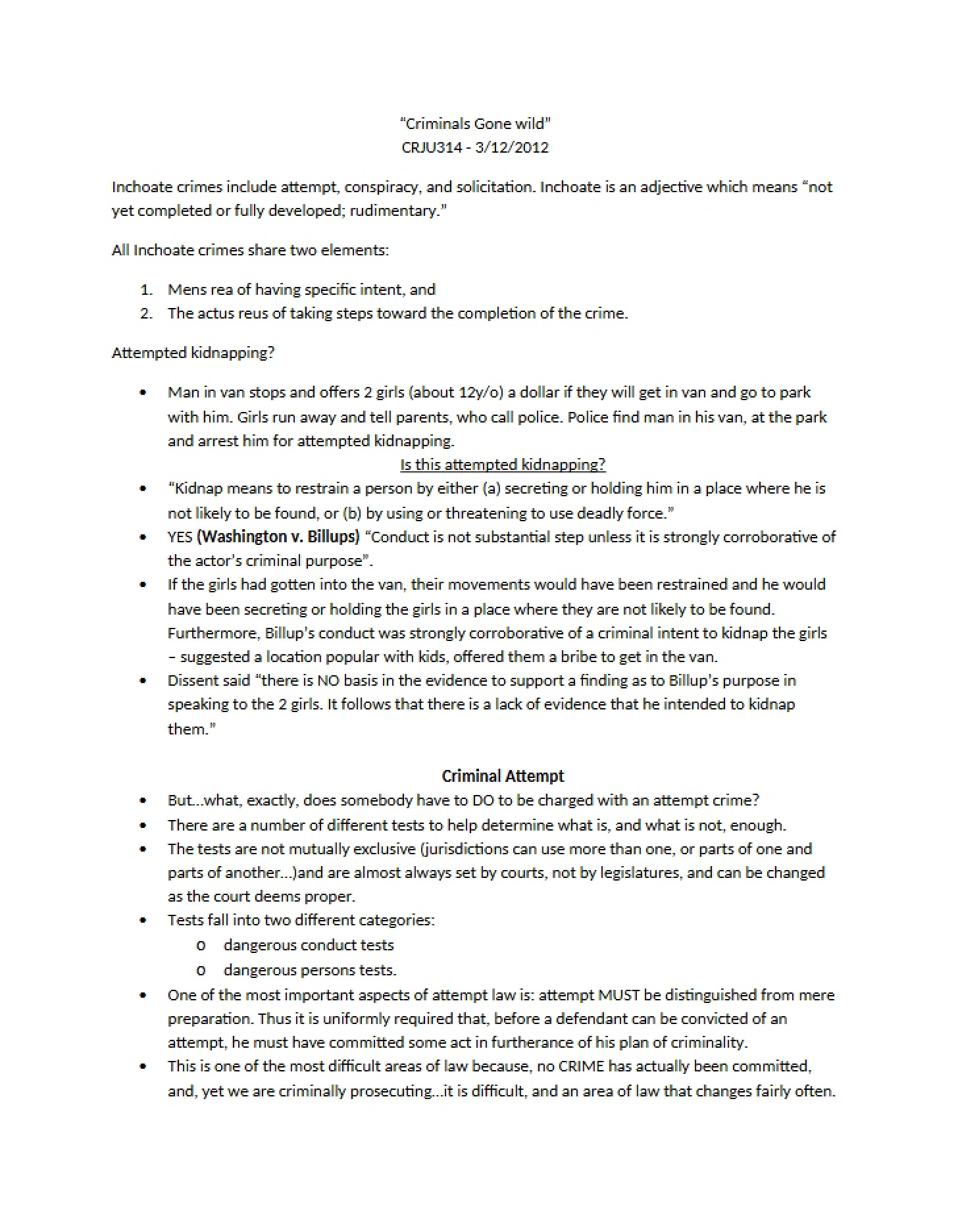
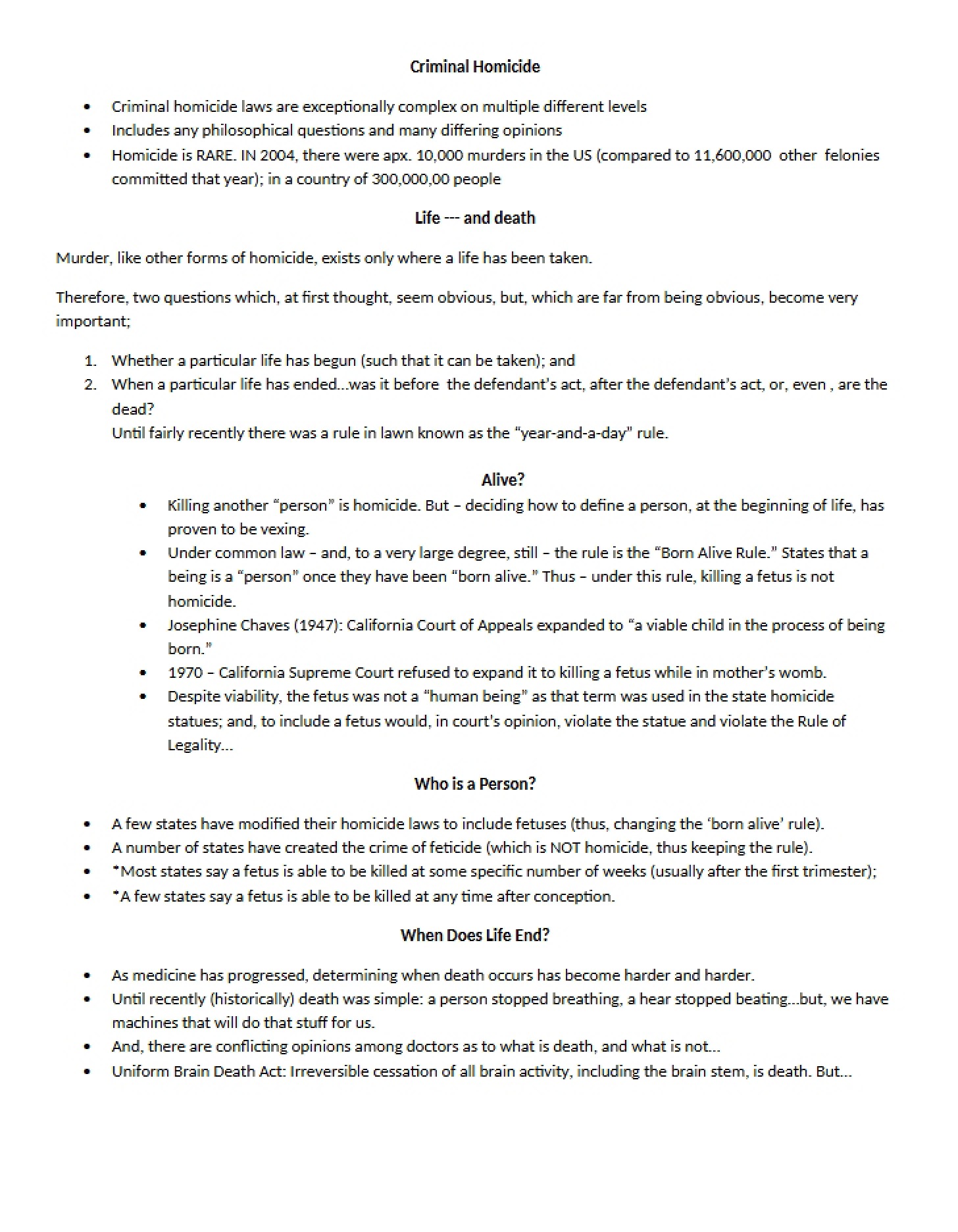
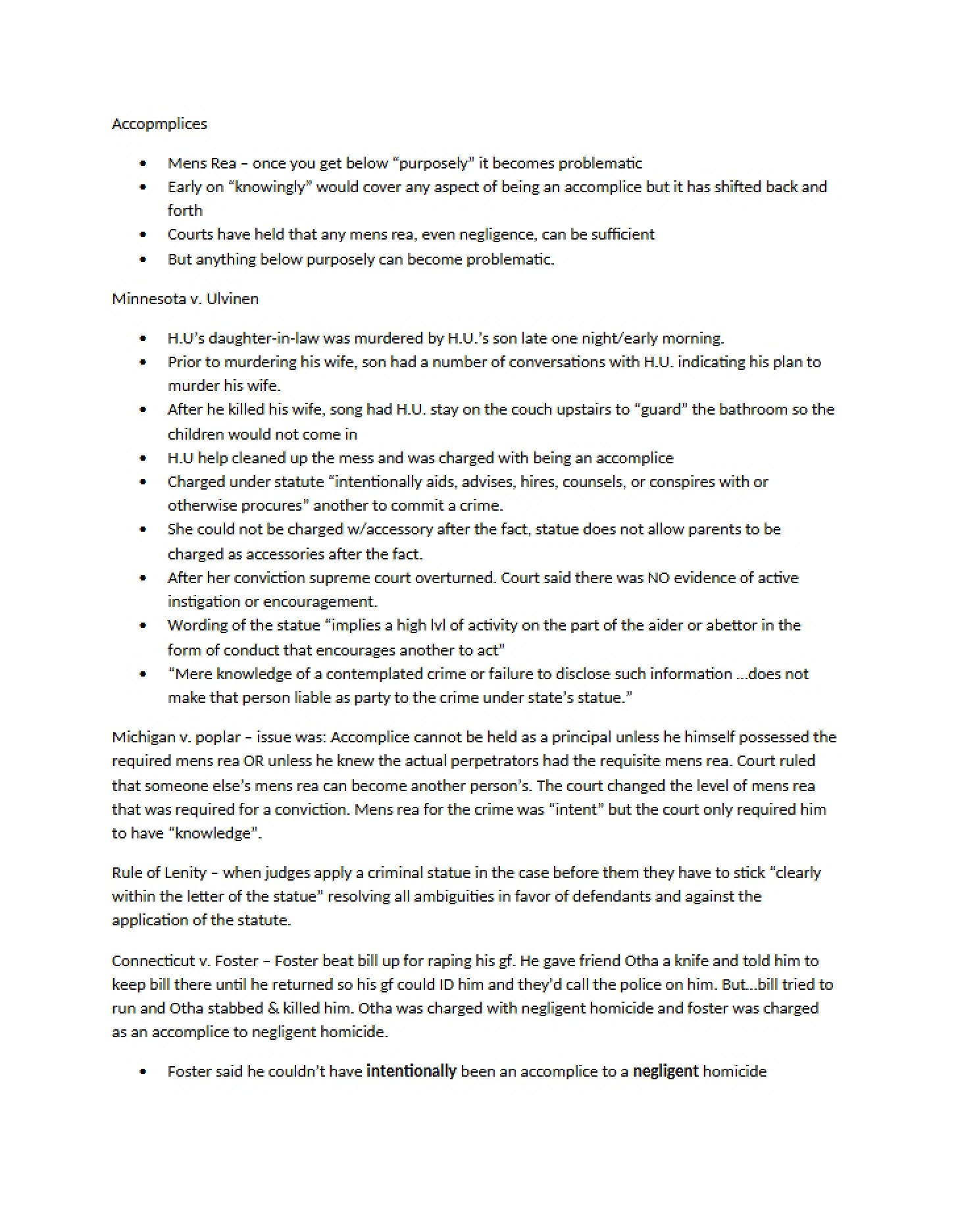
This study guide delves into the complex intersection of law and morality, specifically focusing on crimes categorized as offenses against public order and morals. It explores the foundational principles behind why certain behaviors are criminalized, moving beyond simply identifying what is “wrong” to understanding the legal framework required for prohibition. The guide examines how societal values influence the creation and evolution of these laws, and how legal status can shift over time – from entirely illegal to regulated and legalized.
Why This Document Matters
Students enrolled in Criminal Law (CRJU 314) at the University of South Carolina will find this resource particularly valuable. It’s ideal for those seeking a deeper understanding of the rationale behind laws governing behaviors often debated on ethical grounds. This guide is helpful when preparing for class discussions, analyzing case studies, and formulating arguments about the role of the law in regulating personal conduct. It’s especially useful when grappling with the nuances of offenses that aren’t always intuitively understood as “crimes.”
Common Limitations or Challenges
This guide provides a conceptual overview and does not offer legal advice or a comprehensive list of statutes. It will not provide specific details on current laws in every jurisdiction, nor does it offer step-by-step instructions for legal analysis. The material focuses on broad principles and historical context, and does not substitute for thorough legal research or consultation with a legal professional. It also does not provide answers to hypothetical scenarios or exam questions.
What This Document Provides
* An exploration of the relationship between morality and criminal law.
* Discussion of the concept of “paternalism” in the context of legal prohibitions.
* Clarification of the distinctions between activities that are “not illegal” versus those that are “legalized.”
* Comparative analysis of how different jurisdictions approach the regulation of activities like gambling and prostitution.
* Insight into the historical evolution of laws surrounding public order and moral offenses.