What This Document Is
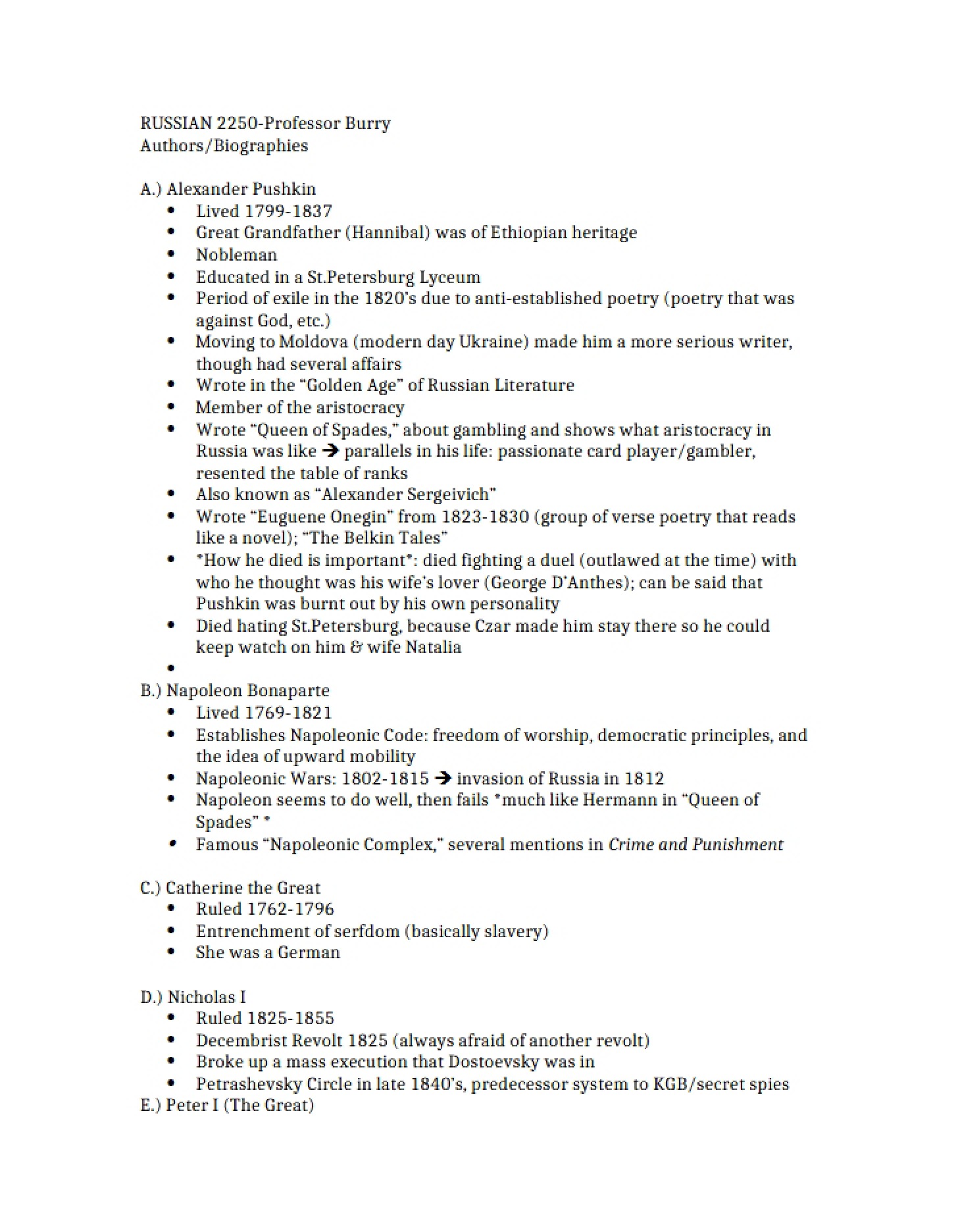
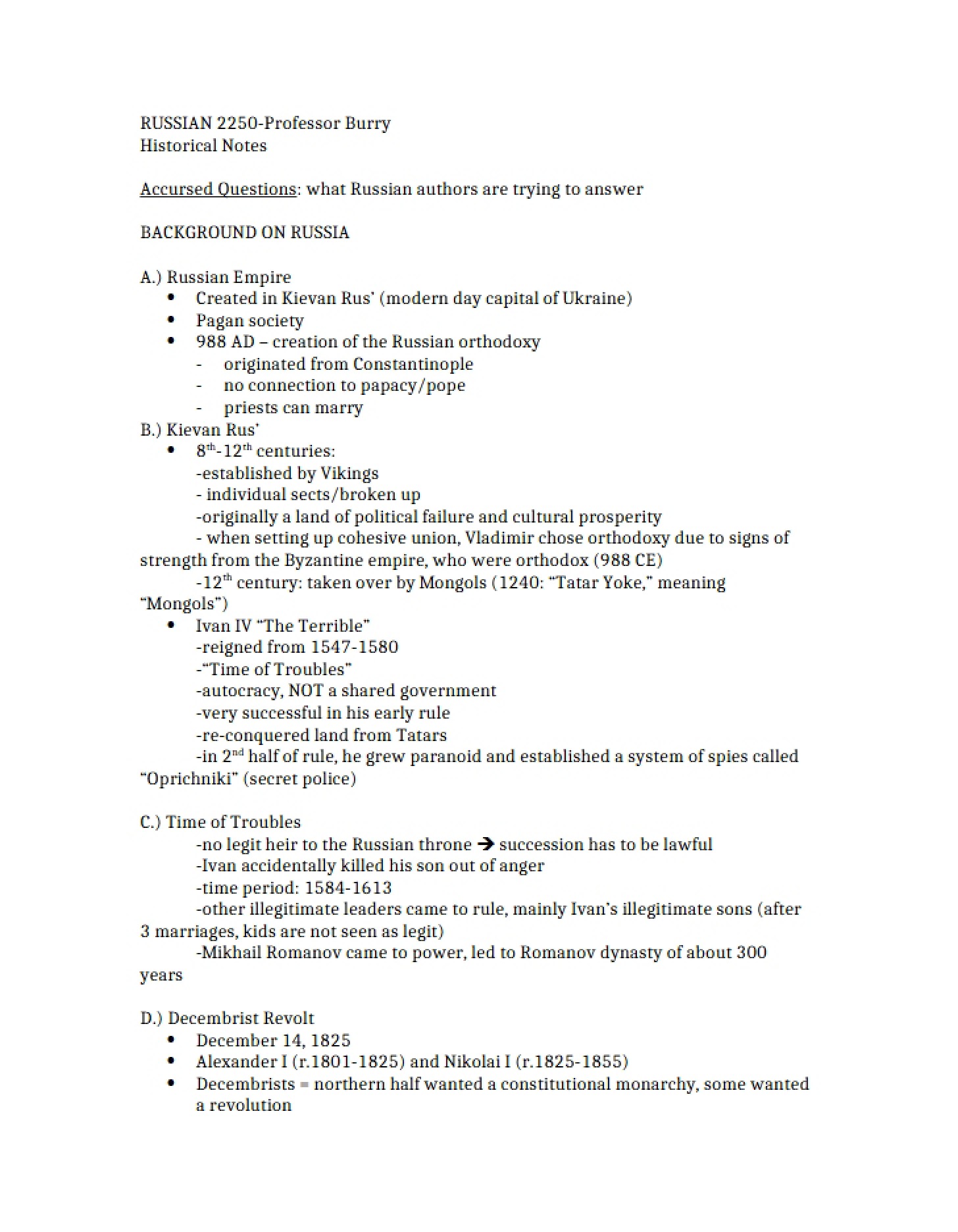
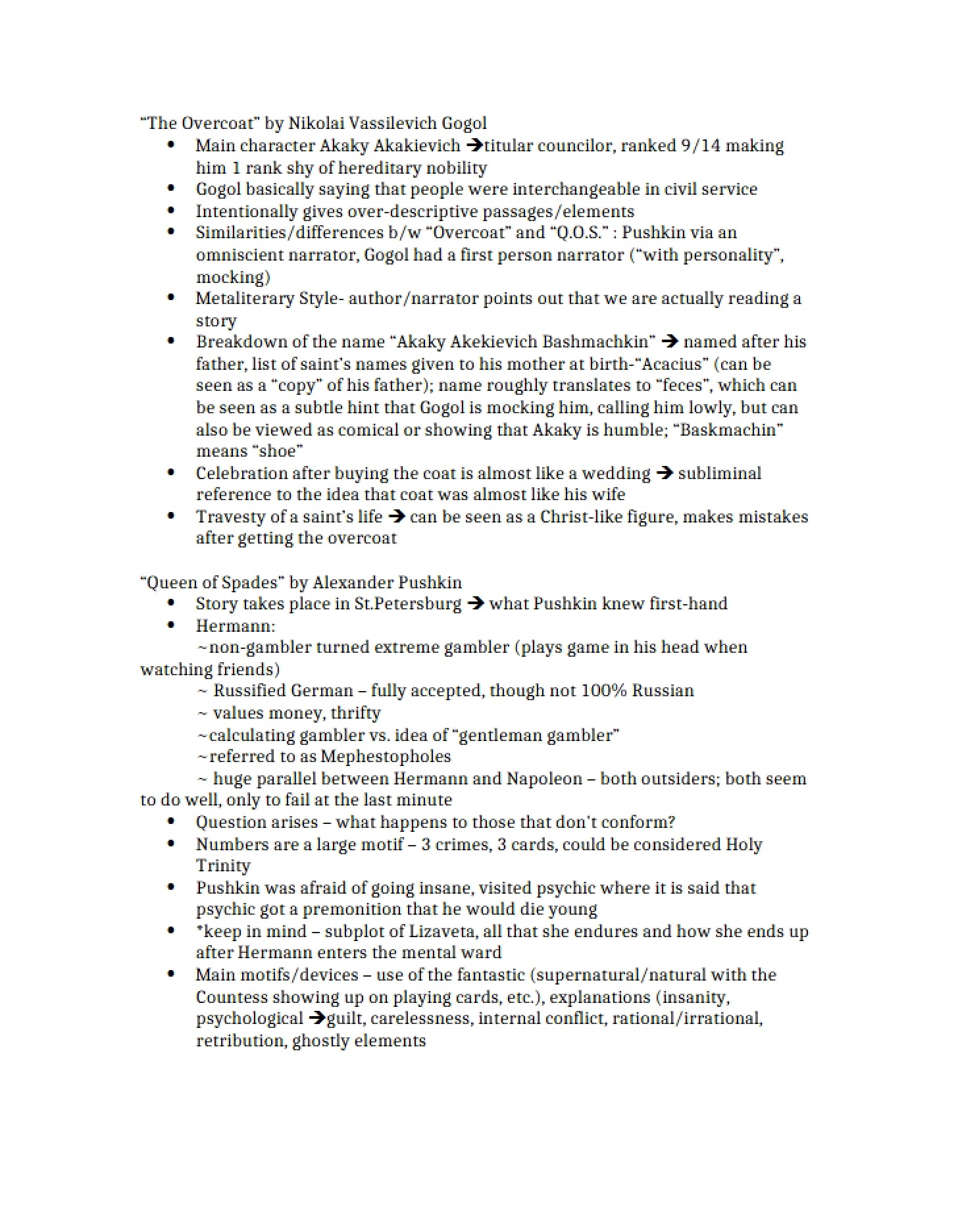
This comprehensive study guide delves into Fyodor Dostoevsky’s renowned novel, *Crime and Punishment*, as explored within the RUSSIAN 2250 course at The Ohio State University. It’s designed to support a deeper understanding of the complex themes, philosophical underpinnings, and intricate character relationships central to this masterpiece of Russian literature. This resource offers a focused exploration of the historical and intellectual context surrounding the novel’s creation and reception.
Why This Document Matters
Students enrolled in RUSSIAN 2250 – or anyone seeking a robust companion to *Crime and Punishment* – will find this guide invaluable. It’s particularly useful when preparing for in-depth discussions, essay writing, or exams requiring a nuanced grasp of the novel’s significance. Use this guide to build a strong foundation for analyzing the text and formulating your own interpretations. It’s best utilized *alongside* a close reading of the novel itself, serving as a catalyst for critical thought.
Topics Covered
* The philosophical currents influencing Dostoevsky, including Utilitarianism and Rational Egoism.
* The socio-political landscape of 19th-century Russia, including the impact of the Tsarist government and revolutionary thought.
* Key figures and movements that shaped Dostoevsky’s worldview, such as Nikolai Chernyshevsky and the “White Terror.”
* Detailed character analyses of major players within the narrative.
* Exploration of recurring motifs and symbolic elements within the story.
What This Document Provides
* Background information on the intellectual and historical context of *Crime and Punishment*.
* In-depth profiles of central characters, outlining their motivations and relationships.
* An overview of the key ideological debates present within the novel.
* Insights into the author’s own perspectives and influences.
* A framework for understanding the complex interplay between psychology, morality, and societal forces within the narrative.