What This Document Is
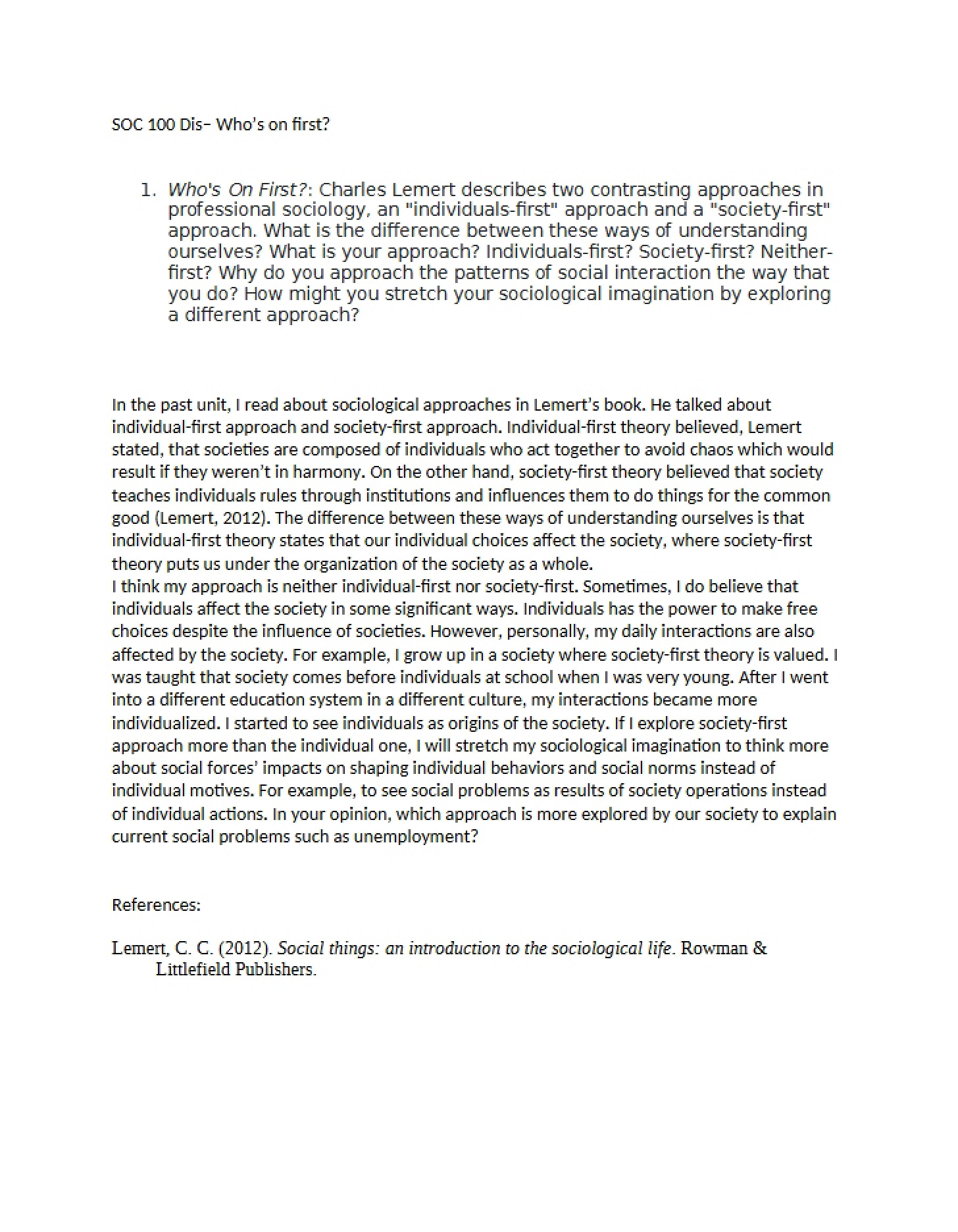
This resource is a focused set of questions designed to test comprehension of complex sociological concepts. Specifically, it delves into a fascinating case study exploring cultural beliefs, social control mechanisms, and the intersection of anthropology, pharmacology, and societal structures. The questions center around a detailed exploration of a particular cultural phenomenon and its implications for understanding broader sociological theories. It’s structured as a question-and-answer format, prompting critical engagement with the material.
Why This Document Matters
This question set is invaluable for students enrolled in introductory sociology courses – particularly those covering topics like deviance, social order, religion, and cultural anthropology. It’s ideal for self-assessment, study group discussions, or as preparation for quizzes and exams. Students who grapple with these questions will strengthen their ability to apply theoretical frameworks to real-world examples and develop nuanced perspectives on culturally sensitive topics. It’s particularly helpful for those aiming to move beyond rote memorization and towards a deeper, analytical understanding of the discipline.
Common Limitations or Challenges
This resource does *not* provide a comprehensive lecture replacement or textbook summary. It assumes a foundational understanding of sociological terminology and core concepts. It also doesn’t offer detailed background information on the historical or geographical context – it expects you to already have some familiarity with the region and cultural practices being discussed. The questions are designed to *prompt* thinking, not to *provide* definitive answers; independent research and course materials are essential for full comprehension.
What This Document Provides
* A series of probing questions centered around a specific, compelling case study.
* A framework for analyzing the relationship between individual experiences and broader social forces.
* Opportunities to explore the complexities of cultural beliefs and practices.
* Stimulus for critical thinking about the nature of social control and its manifestations.
* A means to assess your understanding of key sociological concepts related to deviance and social order.