What This Document Is
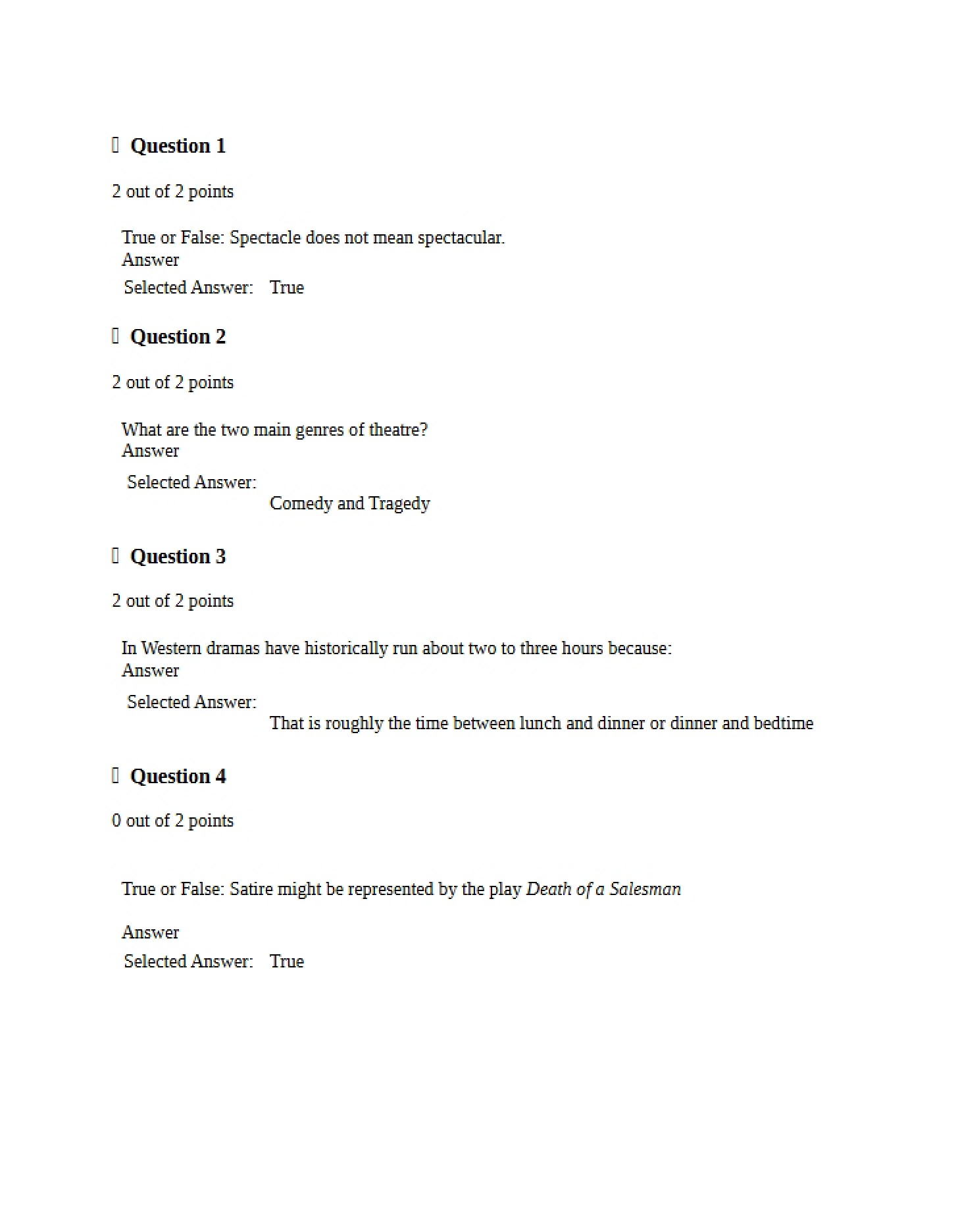
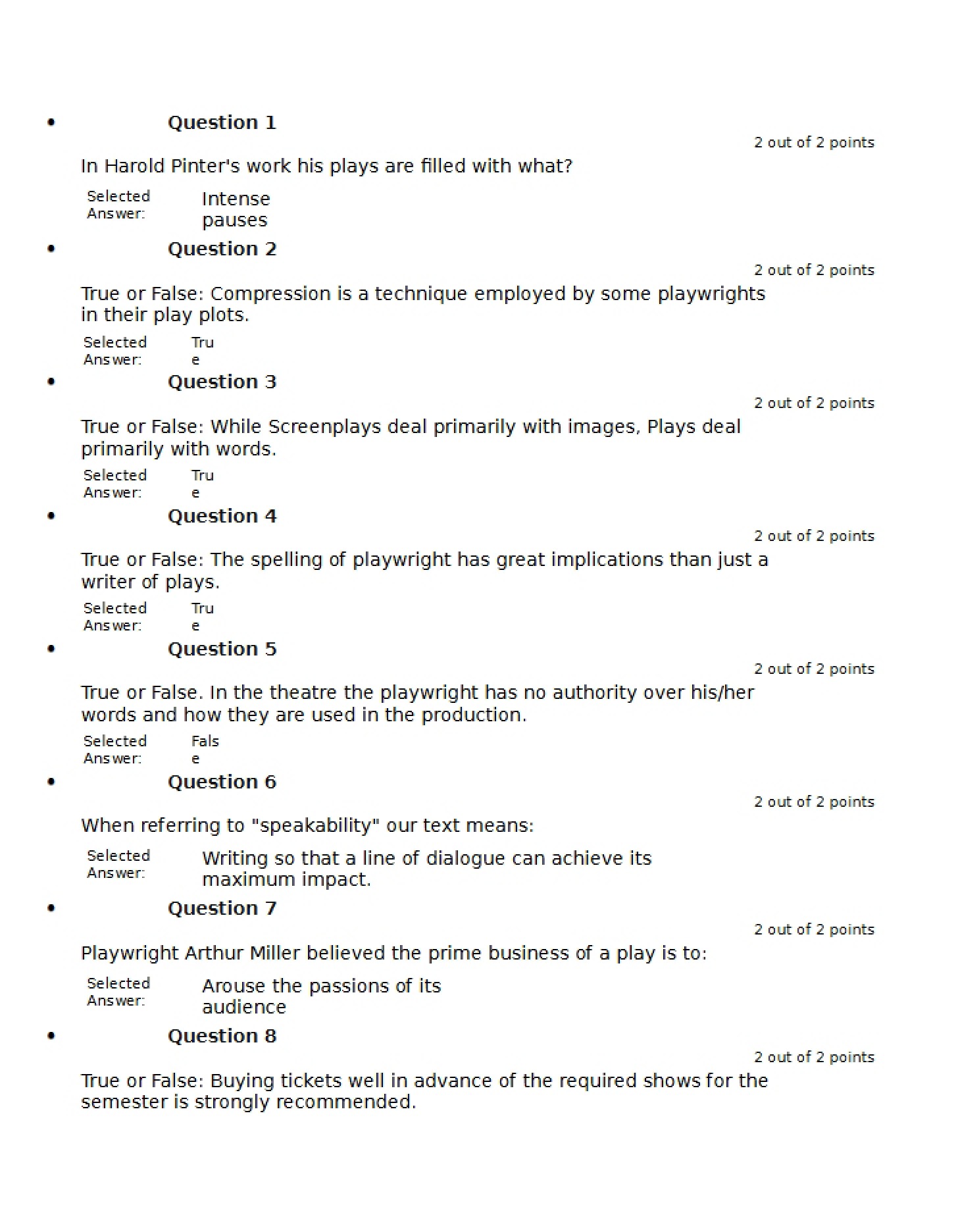
This resource is a practice quiz designed to assess your understanding of foundational concepts within THEA 101: Introduction to Theatre Arts at the University of Illinois at Urbana-Champaign. Specifically, this is Part 7 of Quiz 2, indicating it builds upon previously covered material. The questions focus on core theatrical principles, dramatic structure, and the historical context of theatre. It’s formatted as a series of true/false and multiple-choice questions, mirroring the style of assessments used in the course.
Why This Document Matters
This quiz is an invaluable tool for students preparing for graded assessments in THEA 101. It’s particularly helpful for identifying areas where your knowledge might need strengthening. Utilizing this resource *before* official quizzes or exams allows you to proactively address gaps in your understanding and improve your overall performance. It’s also beneficial for reinforcing key terminology and concepts discussed in lectures and readings. Students who actively test their knowledge tend to retain information more effectively.
Common Limitations or Challenges
This practice quiz is designed to *evaluate* your understanding, not to *teach* you the material. It assumes you have already engaged with the course content – lectures, readings, and discussions. It does not include detailed explanations of correct or incorrect answers; those are reserved for the full course materials. Furthermore, while representative of the course’s assessment style, this quiz does not encompass *all* possible topics covered in THEA 101.
What This Document Provides
* A series of questions covering fundamental theatre concepts.
* Focus on key elements of dramatic structure, including plot, climax, and conflict.
* Exploration of Aristotle’s dramatic components and their modern relevance.
* Questions relating to theatrical conventions and genre classifications (comedy, tragedy, satire).
* Assessment of understanding regarding the collaborative nature of theatre production.
* Insight into the historical and cultural context of theatrical works.