What This Document Is
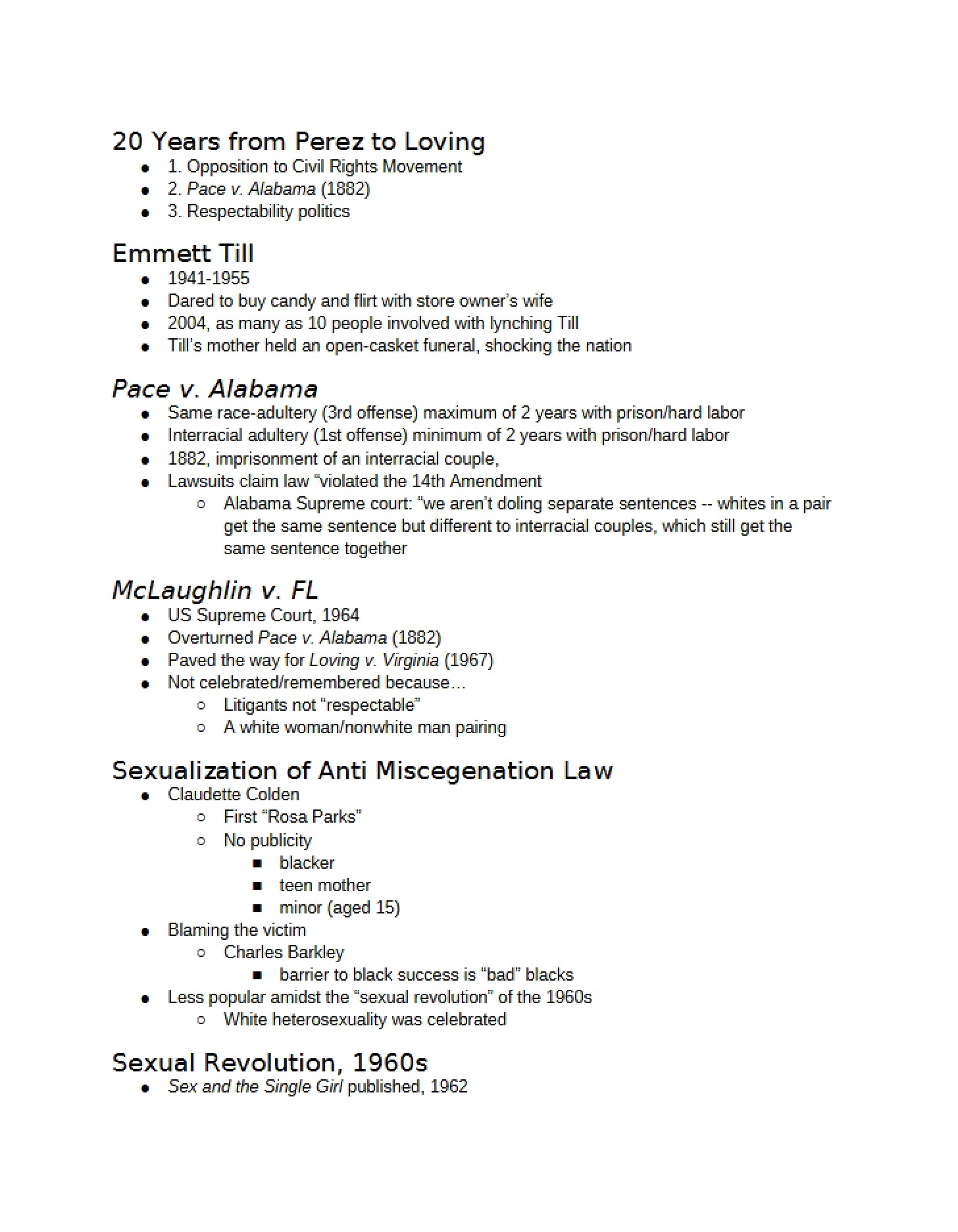
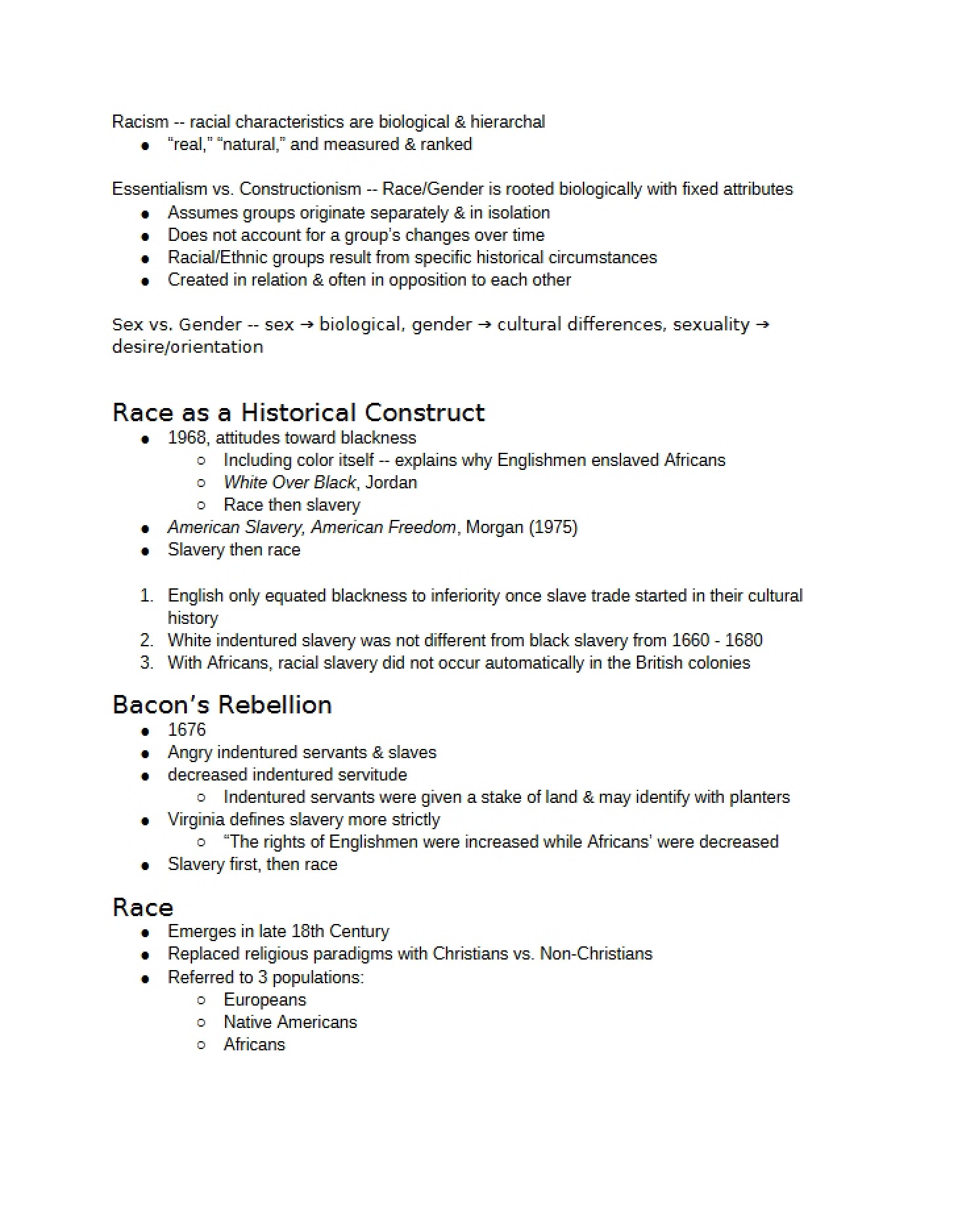
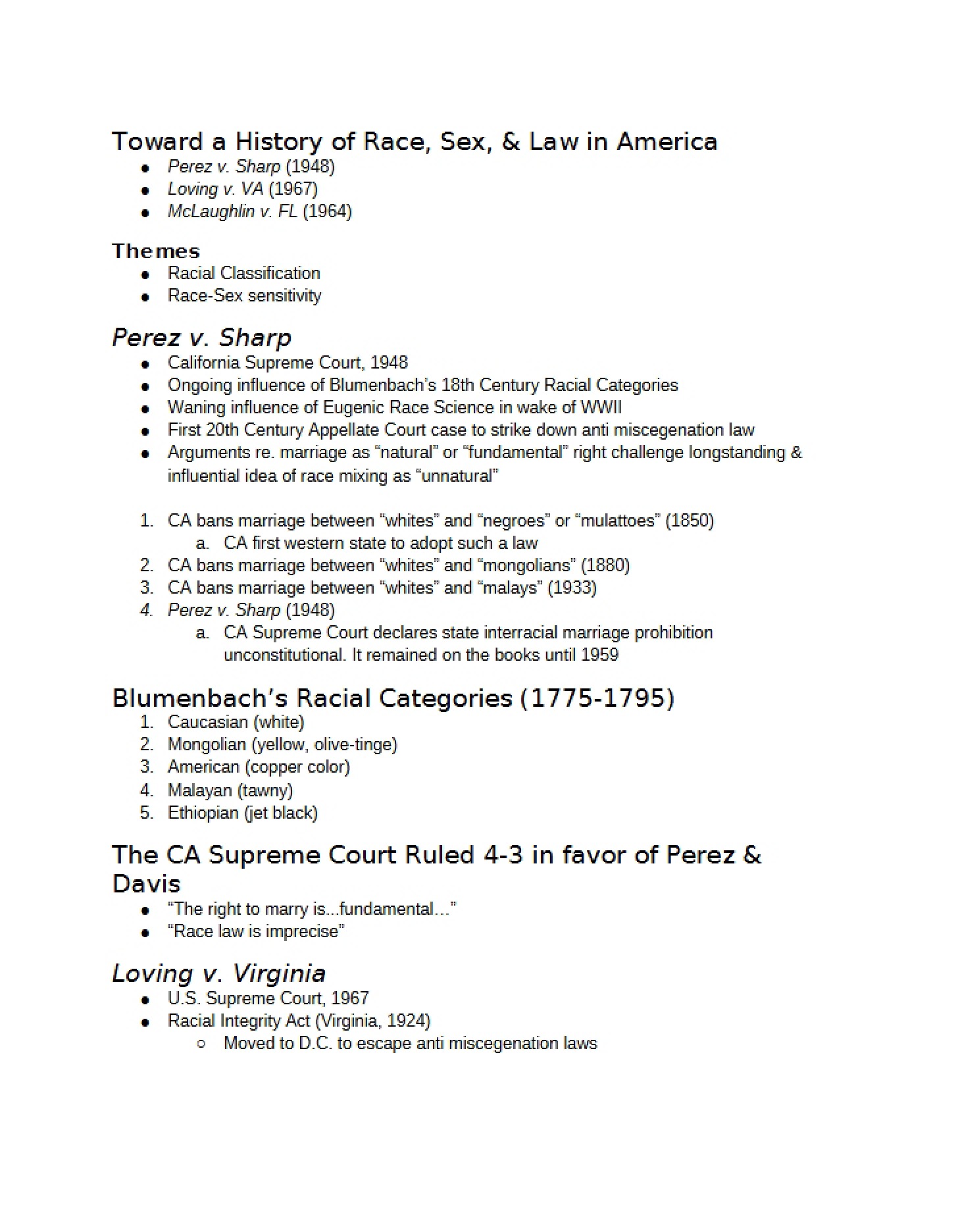
This resource is a focused exploration of the historical development of the concept of race, and its complex relationship with gender. It delves into the idea that race isn’t a fixed, biological reality, but rather a construct shaped by specific historical and social forces. The material examines how understandings of difference – particularly concerning race and sex – have evolved over time, and how these understandings have been used to justify social hierarchies and power dynamics. It also introduces the concept of intersectionality, exploring how different categories of social difference interact.
Why This Document Matters
Students in courses like History 265g – Understanding Race and Sex Historically – will find this particularly valuable. It’s ideal for those grappling with foundational concepts in critical race theory, gender studies, and the history of social inequality. Use this resource to build a stronger theoretical framework before diving into specific historical case studies, or as a refresher when considering the origins of contemporary social issues. Anyone seeking to understand the historical roots of prejudice and discrimination will benefit from engaging with these ideas.
Common Limitations or Challenges
This resource focuses on the *development* of these concepts and does not offer exhaustive coverage of specific racial or gender identities. It doesn’t provide detailed analyses of particular historical events, nor does it offer prescriptive solutions to contemporary problems. It’s a conceptual overview, designed to provide a foundation for further study, not a comprehensive historical narrative. It also doesn’t delve into the nuances of applying these concepts across all global contexts.
What This Document Provides
* An examination of the debate between essentialist and constructionist views of race and gender.
* A historical overview of the relationship between ideas about race and the institution of slavery.
* Discussion of the shift in how difference was categorized over time.
* An introduction to the concept of relationality in understanding race and gender.
* An overview of intersectionality as a framework for analyzing overlapping systems of oppression.