What This Document Is
This study guide focuses on the practical application of remote sensing technologies in atmospheric sciences, specifically radar and satellite imagery. Designed for students in ATMS 120 at the University of Illinois at Urbana-Champaign, it’s built around interpreting visual data to understand weather phenomena. The material centers on analyzing real-world examples of atmospheric observations and applying foundational concepts to derive meteorological insights. It’s a hands-on exploration of how these tools are used by professionals in the field.
Why This Document Matters
This resource is ideal for students seeking to solidify their understanding of radar and satellite meteorology. It’s particularly helpful when preparing for assessments that require interpreting atmospheric data, or when needing to practice applying theoretical knowledge to practical scenarios. Students who benefit most will be those actively engaged in learning how to ‘read’ weather imagery and connect observations to atmospheric processes. It’s best used alongside course lectures and textbook readings to reinforce key concepts.
Topics Covered
* Satellite Imagery Interpretation (Visible, Infrared, Water Vapor channels)
* Satellite Orbital Mechanics
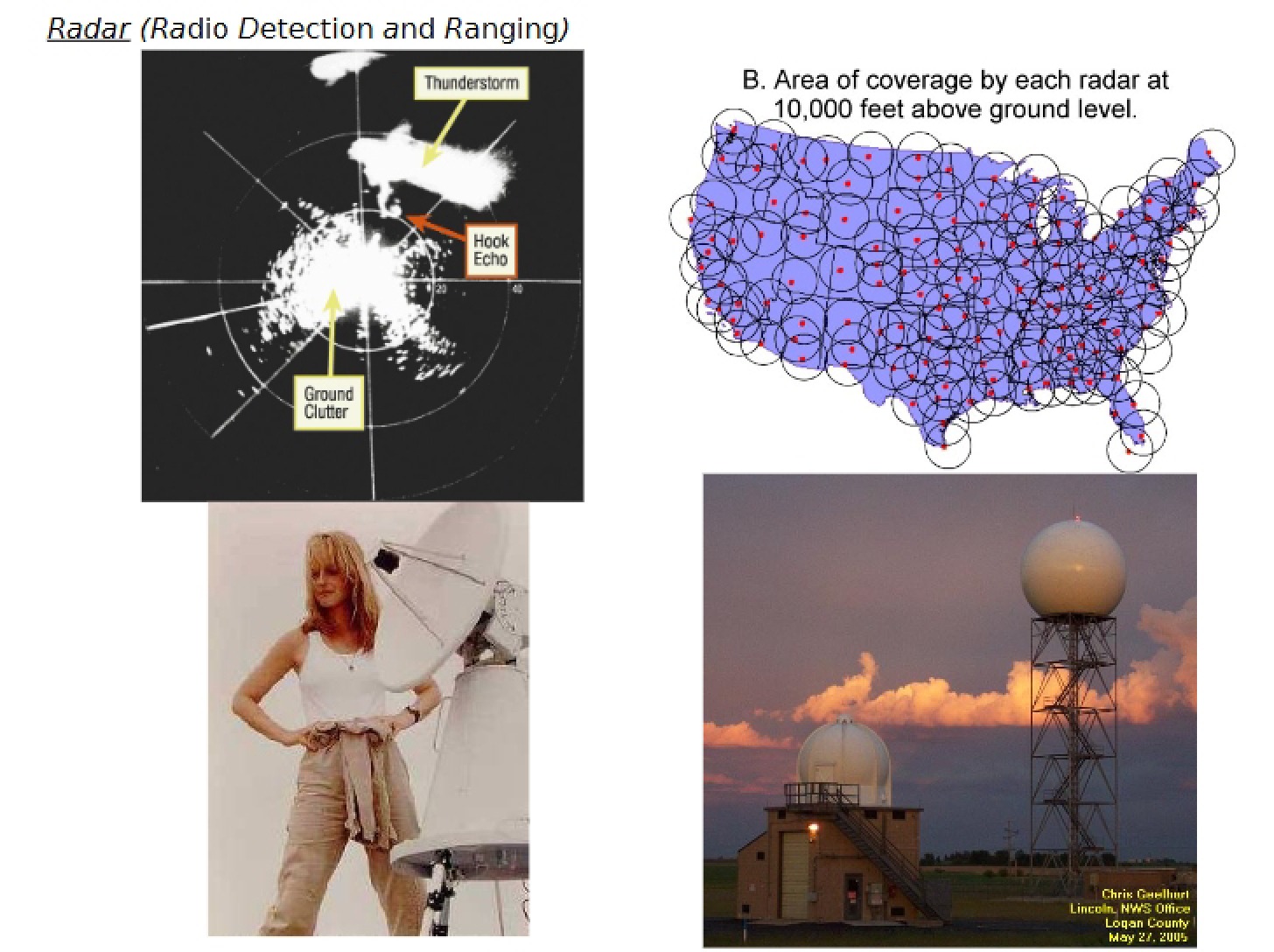
* Radar Fundamentals and Operational Modes
* Radar Reflectivity and Precipitation Estimation
* Identification of Non-Precipitation Radar Echoes
* Analysis of Squall Lines and Thunderstorm Movement
* Supercell Thunderstorm Characteristics
* Severe Weather Indicators (potential for hail and tornadoes)
* Time Zone Conversions and Application to Meteorological Data
What This Document Provides
* A series of targeted questions based on provided imagery.
* Opportunities to practice identifying features within radar and satellite data.
* Exercises designed to connect observed patterns to underlying atmospheric processes.
* Scenarios requiring application of knowledge regarding precipitation rates and severe weather potential.
* A framework for analyzing atmospheric conditions from remotely sensed observations.