What This Document Is
This is a detailed instructional guide for a laboratory experiment in General Chemistry I, specifically focusing on chemical kinetics and reaction rates. Developed for students at the University of Illinois at Urbana-Champaign, it outlines the principles and procedures for investigating the factors influencing the speed at which chemical reactions occur. The document centers around a classic experiment known as the Iodine Clock Reaction, used to demonstrate and quantify reaction kinetics.
Why This Document Matters
This resource is essential for students enrolled in General Chemistry I who need a thorough understanding of reaction rates, rate laws, and experimental methods for determining these laws. It’s particularly valuable when preparing for lab sessions, reviewing experimental design, and analyzing kinetic data. Students will find it helpful to solidify their grasp of core concepts before, during, and after performing the experiment, leading to a more complete understanding of chemical kinetics.
Topics Covered
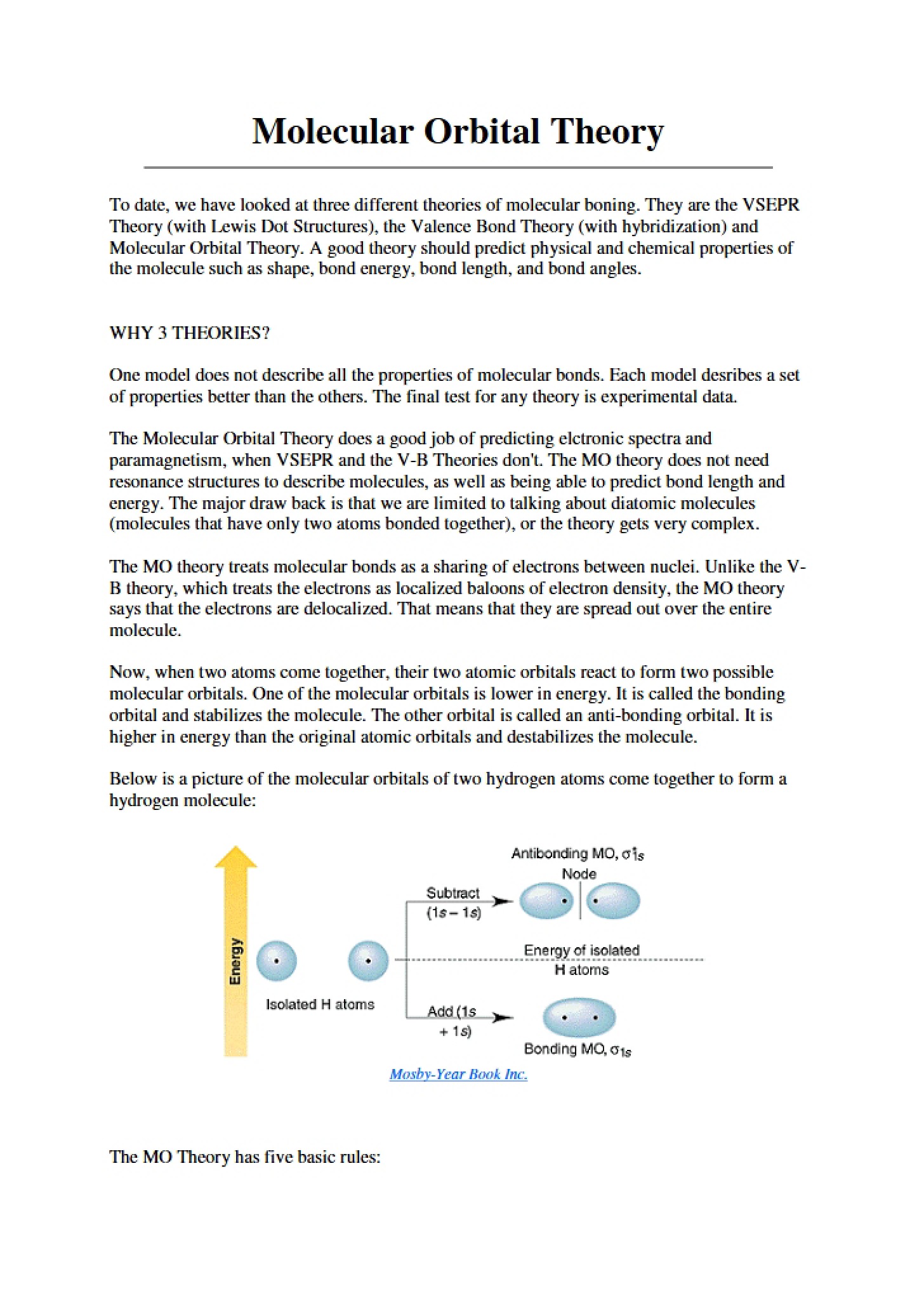
* Reaction Rates and Rate Laws
* Determining Reaction Order (initial rates method)
* Oxidation-Reduction Reactions
* The effect of reactant concentrations on reaction speed
* Indirect Rate Measurement Techniques
* Stoichiometry and its relation to reaction rates
* The role of indicators in reaction monitoring
* Experimental procedure and data analysis for kinetics
What This Document Provides
* A comprehensive introduction to the theoretical background of the Iodine Clock Reaction.
* A detailed explanation of the principles behind using a side reaction to measure reaction rates.
* A clear description of the relationship between reactant consumption and product formation.
* A list of the necessary equipment for conducting the experiment.
* Guidance on calculating key values, such as moles of reactants, essential for rate determination.
* A framework for understanding how to relate experimental observations to the underlying rate law.