What This Document Is
This study guide focuses on core reaction principles within Organic Chemistry II, specifically geared towards understanding reactivity, synthesis strategies, and the application of those concepts. It’s designed as a focused practice resource centered around predicting the necessary reagents to achieve specific molecular transformations. The material builds upon foundational knowledge of functional group chemistry and reaction mechanisms.
Why This Document Matters
Students enrolled in advanced organic chemistry courses – like UCLA’s CHEM 30B – will find this resource particularly valuable. It’s ideal for reinforcing understanding *during* active learning, such as while working through problem sets, or as a focused review *before* assessments. This guide is most helpful when you’re ready to test your ability to apply reaction knowledge to predict outcomes and plan synthetic routes, rather than initially learning the concepts. It’s a strong tool for solidifying your understanding of how different functional groups behave under various conditions.
Topics Covered
* Reagent Selection for Alcohol Transformations
* Strategies for Halide Conversions
* Reactions Involving Carbonyl Compounds
* Application of Protecting Groups in Synthesis
* Reactions Utilizing Specific Reagents (e.g., MsCl, MCPBA, TsCl)
* Stereochemical Considerations in Reactions
* Predicting Reaction Outcomes based on Starting Materials
What This Document Provides
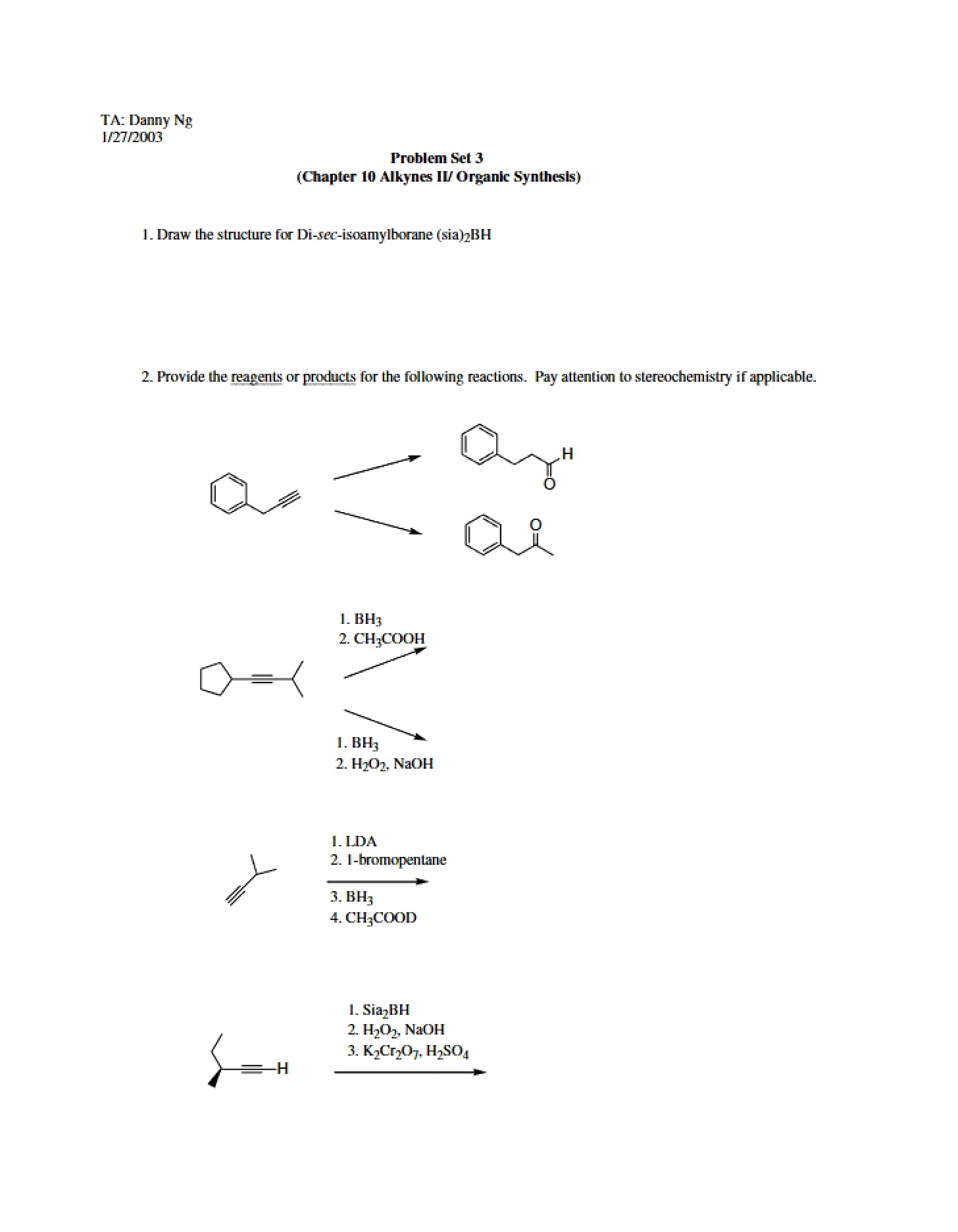
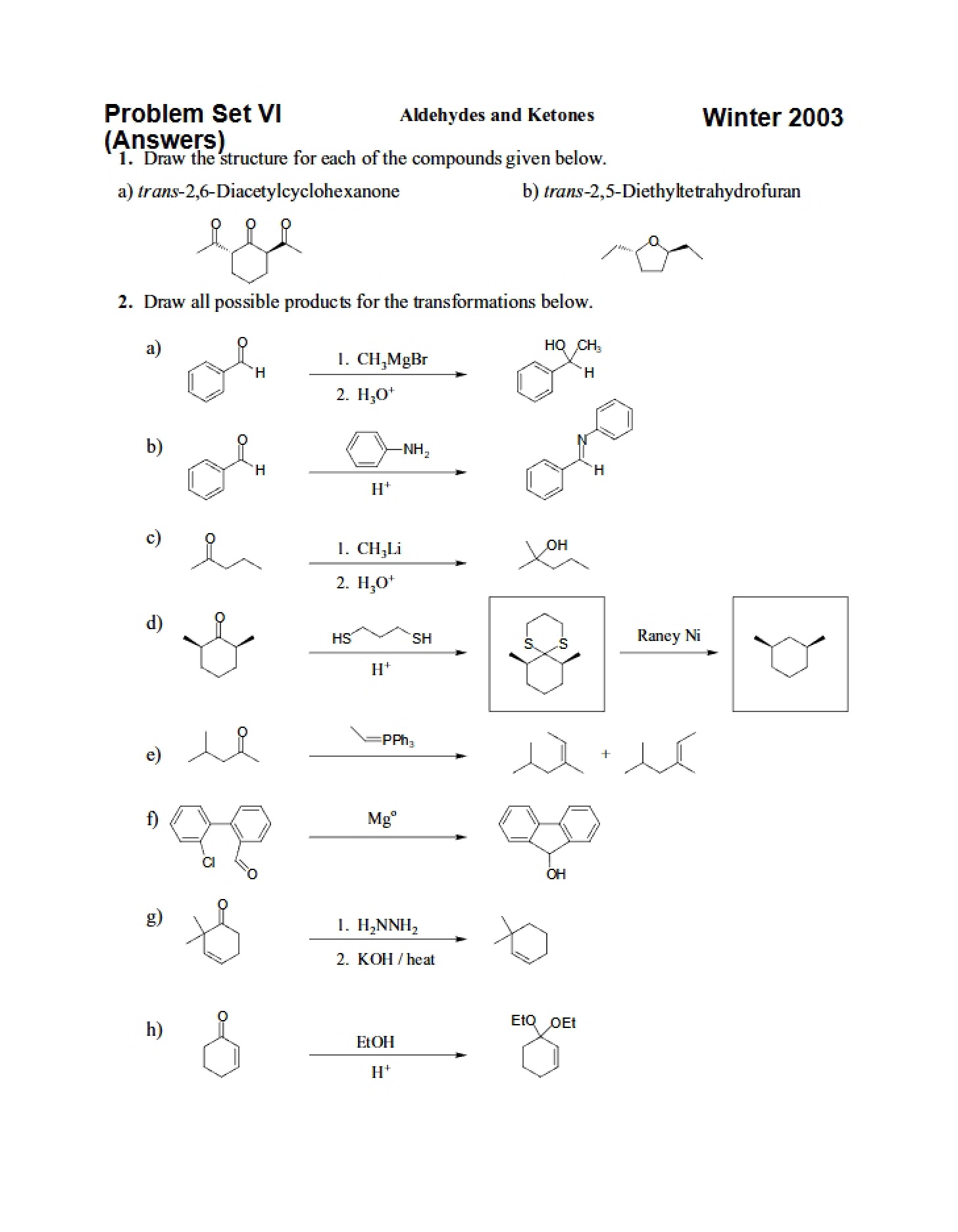
* A series of targeted practice problems requiring reagent prediction.
* Structures of organic molecules undergoing transformation, allowing you to visualize reaction pathways.
* A focused approach to mastering key synthetic strategies.
* A framework for applying your knowledge of reaction mechanisms to solve problems.
* A companion answer key (available with purchase) to verify your understanding and identify areas for improvement.