What This Document Is
This study guide focuses on core concepts within Organic Chemistry II, specifically addressing reaction strategies and synthetic organic chemistry. It’s designed to help you build a strong understanding of how to approach multi-step organic transformations and the underlying principles governing them. The material centers around applying known reactions to achieve desired molecular structures, and understanding the reasoning behind reagent choices. It also touches upon protective group strategies commonly employed in complex syntheses.
Why This Document Matters
This resource is ideal for students enrolled in a second-semester organic chemistry course, particularly those tackling challenging synthesis problems. It’s most beneficial when used alongside lecture notes and textbook readings, serving as a focused practice and review tool. Students preparing for exams or quizzes involving reaction mechanisms and synthetic pathways will find this guide particularly helpful in solidifying their understanding. It’s geared towards strengthening your problem-solving skills in organic reactivity.
Topics Covered
* Multi-step organic synthesis design
* Reagent selection for specific functional group transformations
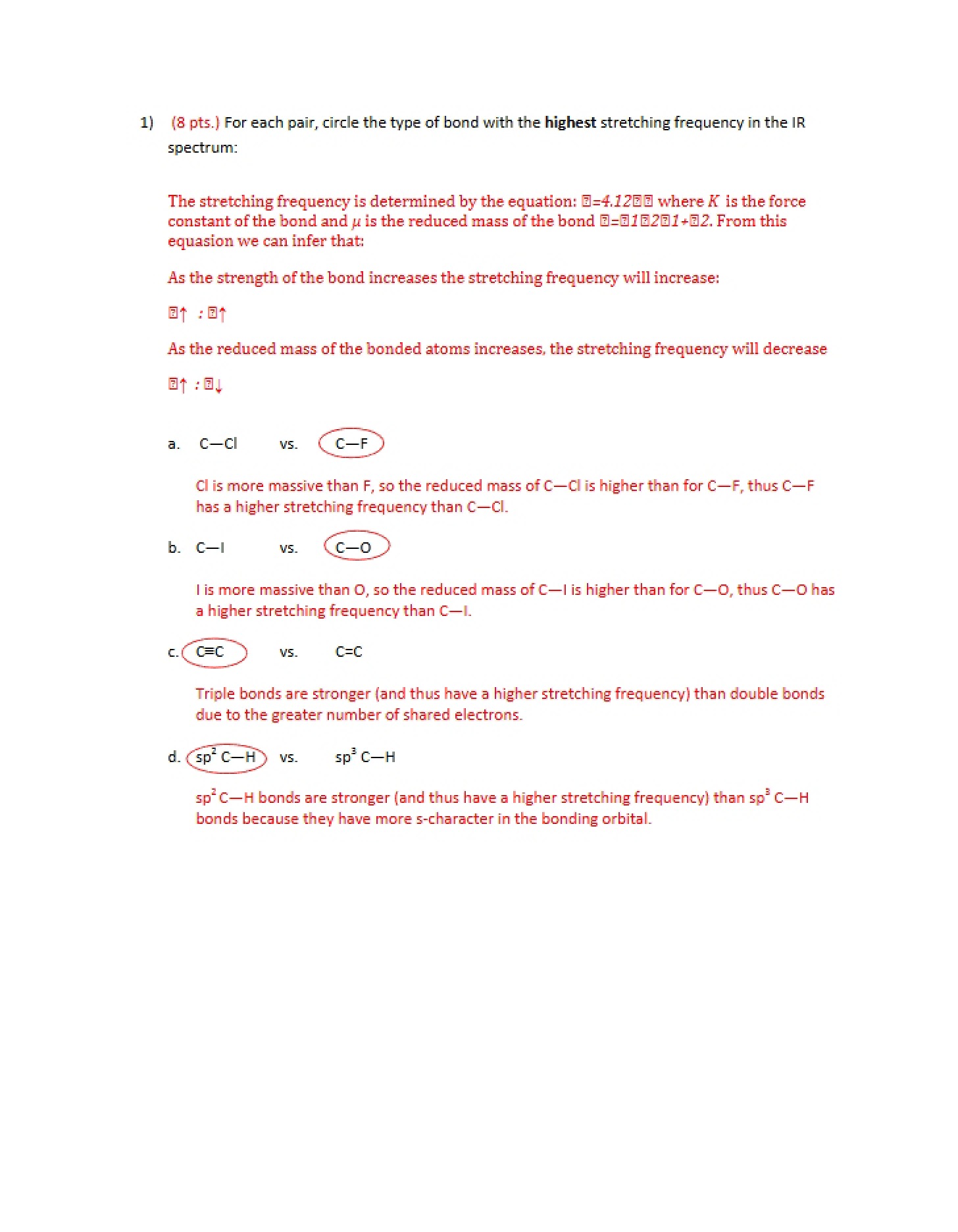
* Understanding reaction conditions and their impact on outcomes
* Protective group chemistry – principles and applications
* Retrosynthetic analysis considerations
* Application of reactions to complex molecular targets
* Mechanistic understanding of key reaction steps
What This Document Provides
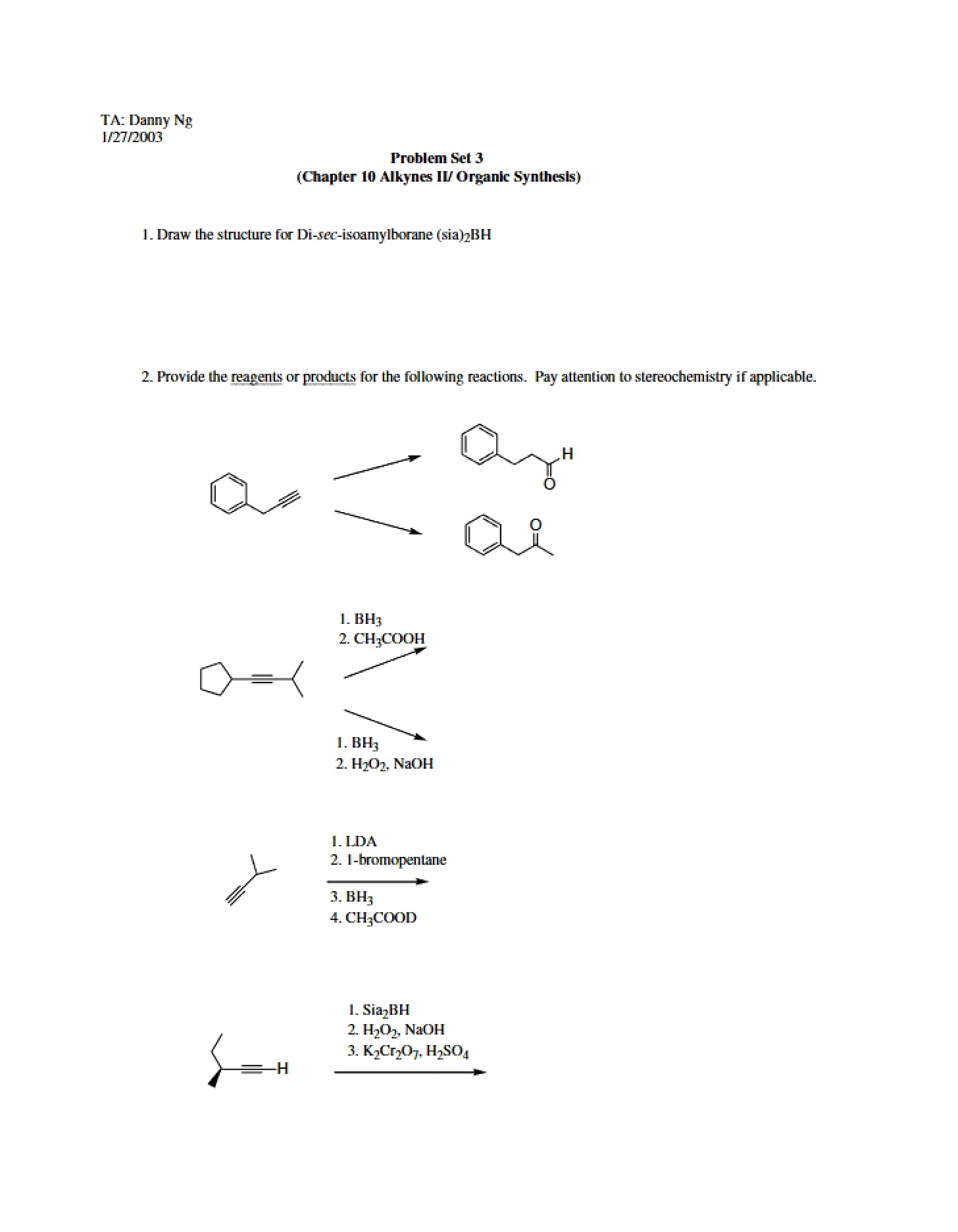
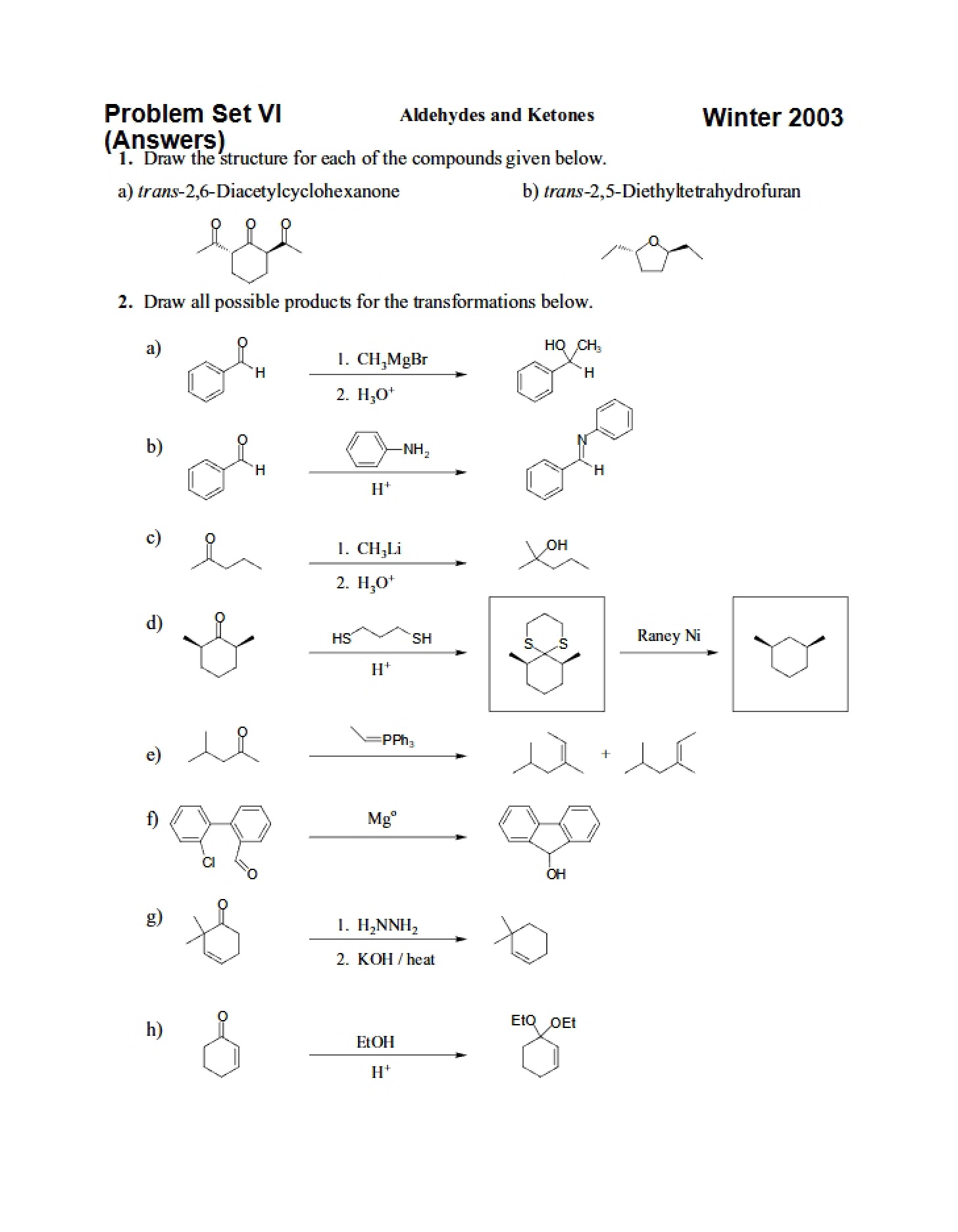
* Practice problems designed to test your ability to propose reagents for specific transformations.
* Scenarios requiring the development of a synthetic route from a given starting material to a target molecule.
* Opportunities to demonstrate understanding of reaction mechanisms, focusing on critical steps within a synthesis.
* Guidance referencing supplemental resources for deeper exploration of specific concepts.
* Illustrative examples to frame the types of challenges encountered in advanced organic synthesis.