What This Document Is
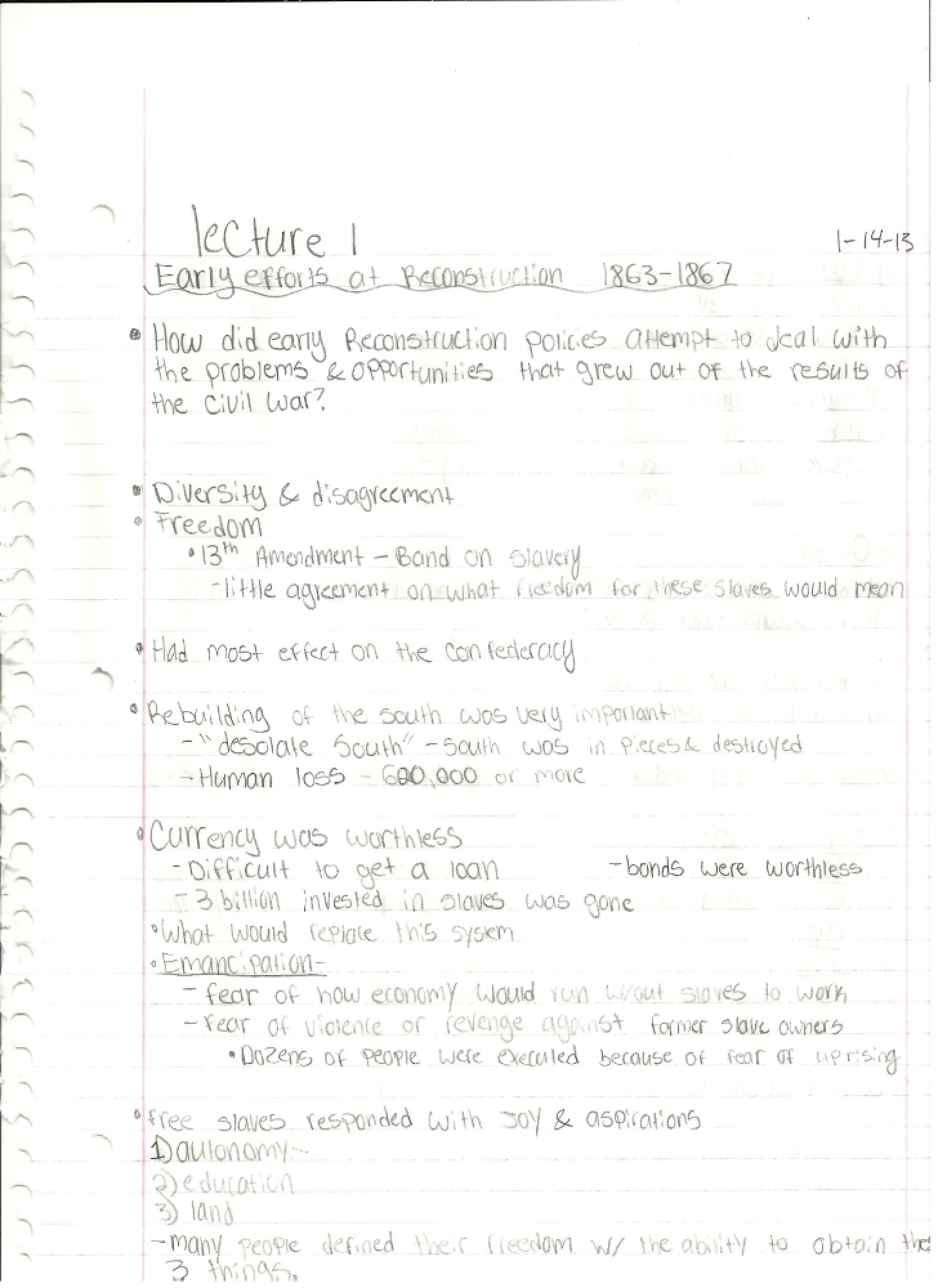
This study guide provides a comprehensive overview of the Reconstruction Era in United States history, spanning roughly from 1863 to 1877. It delves into the complex period following the Civil War, examining the multifaceted attempts to rebuild the nation, reintegrate formerly Confederate states, and redefine the status of newly emancipated populations. The guide explores the political, social, and economic transformations that characterized this pivotal time, offering a foundational understanding of its lasting impact on American society.
Why This Document Matters
This resource is invaluable for students enrolled in United States History courses, particularly those covering the period after 1865. It’s ideal for supplementing lectures, preparing for exams, or deepening your understanding of a crucial turning point in American history. Anyone seeking to grasp the challenges and opportunities presented by Reconstruction – and its ultimate successes and failures – will find this guide beneficial. It’s particularly useful when needing to contextualize later developments in civil rights and American political thought.
Common Limitations or Challenges
This guide focuses on providing a broad understanding of the Reconstruction Era. It does not offer detailed analyses of specific battles or military strategies of the Civil War itself, nor does it provide exhaustive biographical information on every individual involved. While it touches upon the experiences of various groups, it doesn’t present a complete social history from every possible perspective. It is designed as a starting point for deeper exploration, not a replacement for primary source research or in-depth scholarly articles.
What This Document Provides
* An examination of the core goals and philosophies behind Reconstruction efforts.
* An overview of the differing political approaches to Reconstruction proposed by key national leaders.
* Discussion of the significant legislative achievements of the era and their intended impact.
* Exploration of the challenges faced by newly freed populations in the aftermath of slavery.
* Contextualization of the economic and infrastructural changes occurring during this period.
* Analysis of the factors contributing to the eventual end of Reconstruction.