What This Document Is
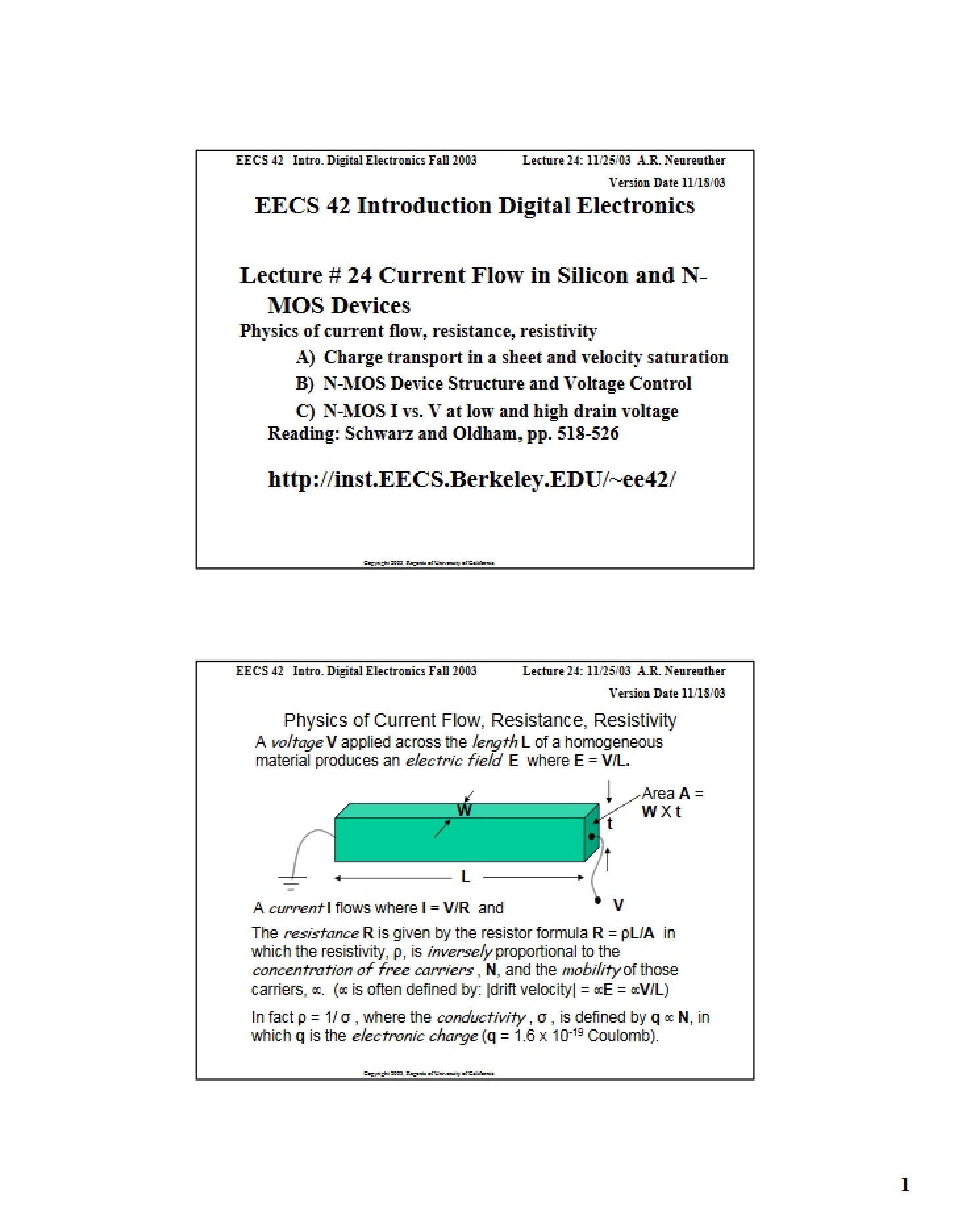
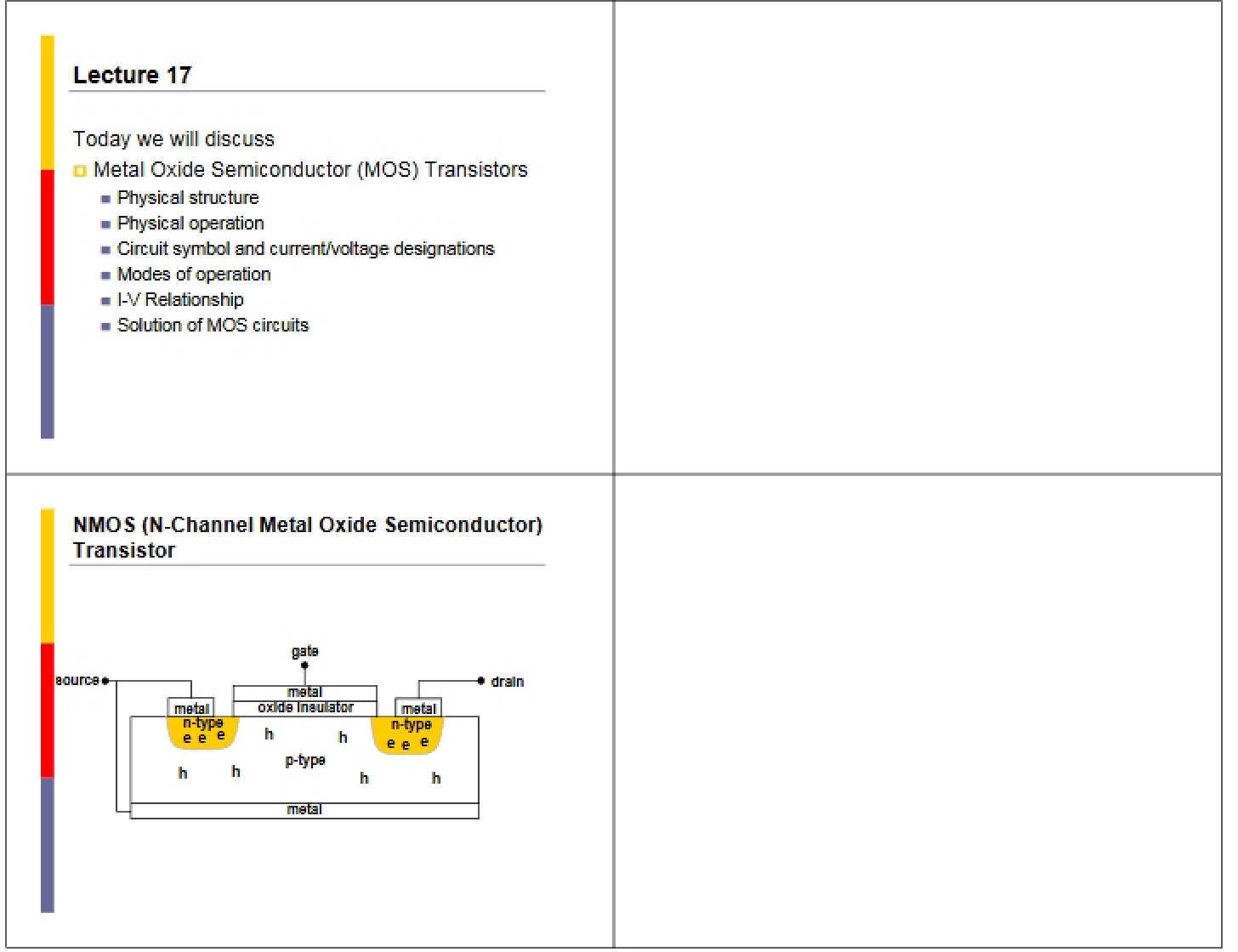
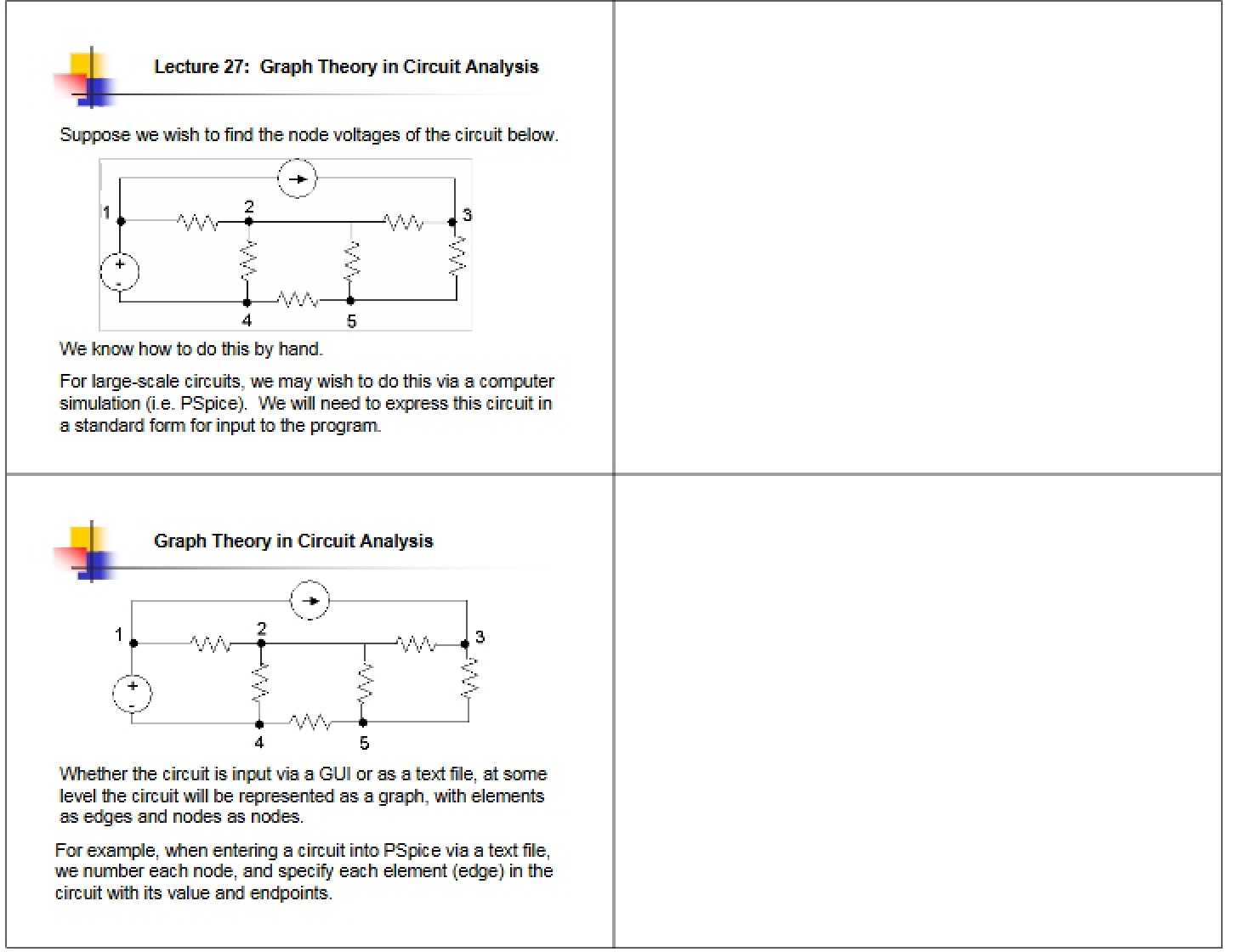
This record of course material from UC Berkeley’s Introduction to Digital Electronics (ELENG 42) provides a detailed running checklist of essential terms and concepts within the field. It appears to be a compilation of lecture notes, organized sequentially as topics are introduced throughout the course. The material focuses on foundational principles and their application to circuit analysis.
Why This Document Matters
This resource is ideal for students currently enrolled in ELENG 42, or those reviewing core digital electronics principles. It’s particularly beneficial for clarifying terminology and establishing a strong conceptual framework. Use this as a companion to lectures and textbook readings to reinforce understanding and prepare for more advanced topics. It’s also a valuable reference for anyone needing a refresher on fundamental electrical circuit concepts. Accessing the full document will provide a comprehensive and organized learning aid.
Topics Covered
* Basic circuit variables (charge, current, voltage, resistance)
* Kirchhoff’s Laws and Ohm’s Law
* Equivalent circuit analysis (series and parallel combinations, Thevenin and Norton equivalents)
* Sinusoidal excitation and frequency domain analysis
* Steady-state and transient circuit behavior
* Linear Time-Invariant (LTI) circuit theory
* Representation of periodic signals (square waves, sinusoids)
* AC circuit analysis techniques
What This Document Provides
* A sequentially organized glossary of key electronics terms.
* Discussion of the importance of sinusoidal excitation in circuit analysis.
* Exploration of different types of circuit excitation (pulse, transient, sinusoidal).
* Conceptual explanations of how complex signals can be decomposed into simpler sinusoidal components.
* Contextual examples relating circuit principles to real-world applications (power systems, music reproduction).
* A foundation for understanding frequency-domain analysis techniques.