What This Document Is
This study guide focuses on advanced synthetic organic chemistry techniques, specifically exploring methods for carbon-carbon bond formation and functional group manipulation. It delves into reactions crucial for building complex molecular structures, a cornerstone of advanced organic chemistry coursework. The material presented centers around key reactions and their applications in synthesis, drawing from primary literature sources. It’s designed to supplement lectures and provide a deeper understanding of these powerful methodologies.
Why This Document Matters
Students enrolled in advanced organic chemistry courses – particularly those focused on synthesis and reactivity – will find this guide exceptionally valuable. It’s ideal for preparing for exams, tackling challenging homework problems, or simply solidifying your understanding of complex reaction mechanisms. Researchers beginning work in organic synthesis will also benefit from the concise overview of these important reactions and associated references. This resource is particularly useful when you need a focused review of specific synthetic strategies.
Topics Covered
* Asymmetric Conjugate Reduction – exploring stereoselective reduction techniques.
* Enolate Trapping – methods for controlling enolate reactivity and selectivity.
* Glycidic Ester Synthesis (Darzen’s Condensation) – formation of epoxide building blocks.
* Ritter Reaction – a method for amide synthesis.
* Olefin Metathesis – a powerful tool for carbon-carbon double bond transformations.
* Ring-Closing Metathesis – a specific application of olefin metathesis.
* Catalyst Development in Olefin Metathesis – insights into the evolution of metathesis catalysts.
What This Document Provides
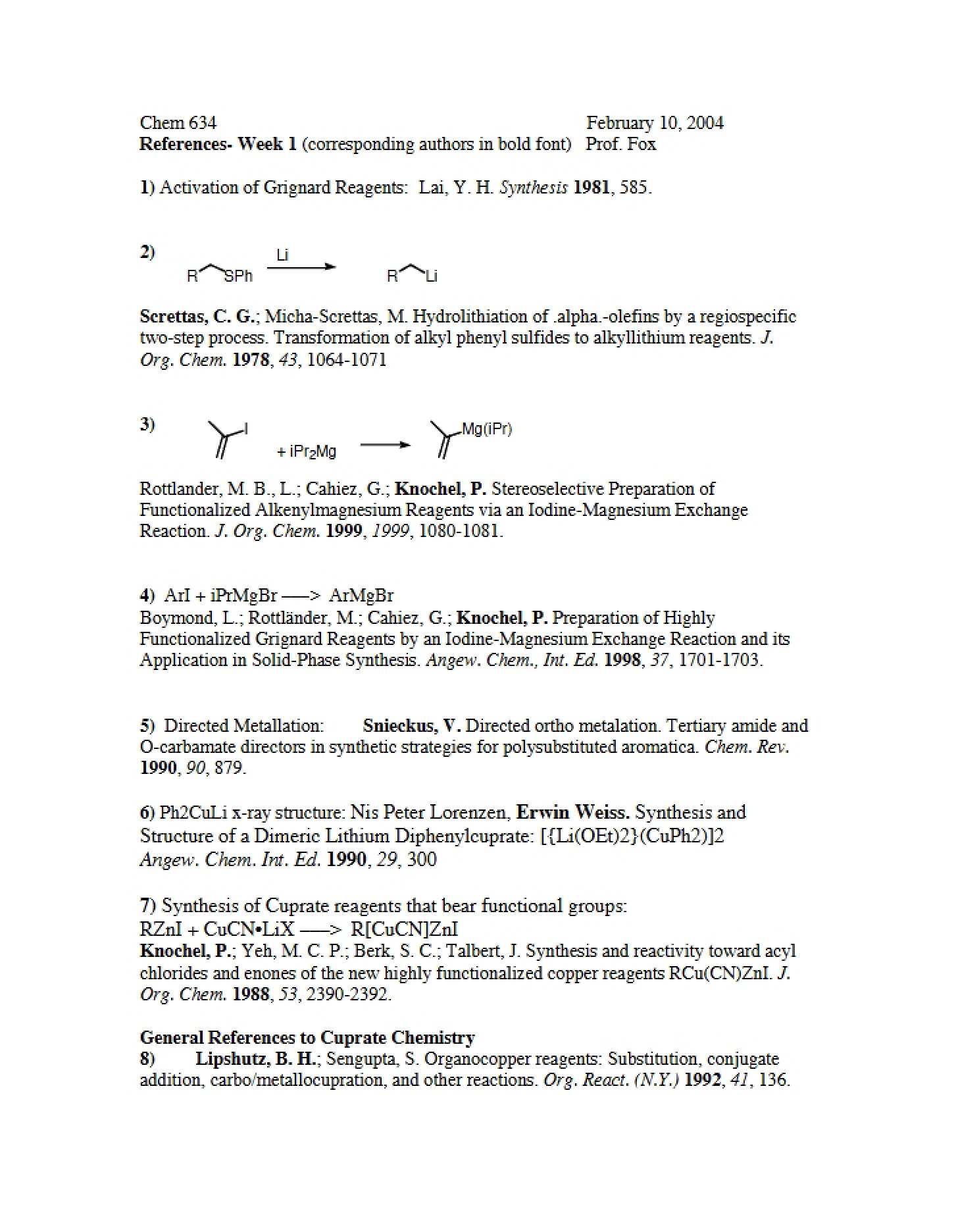
* A curated collection of references to key publications in the field of organic synthesis.
* Connections to comprehensive organic chemistry texts for broader context.
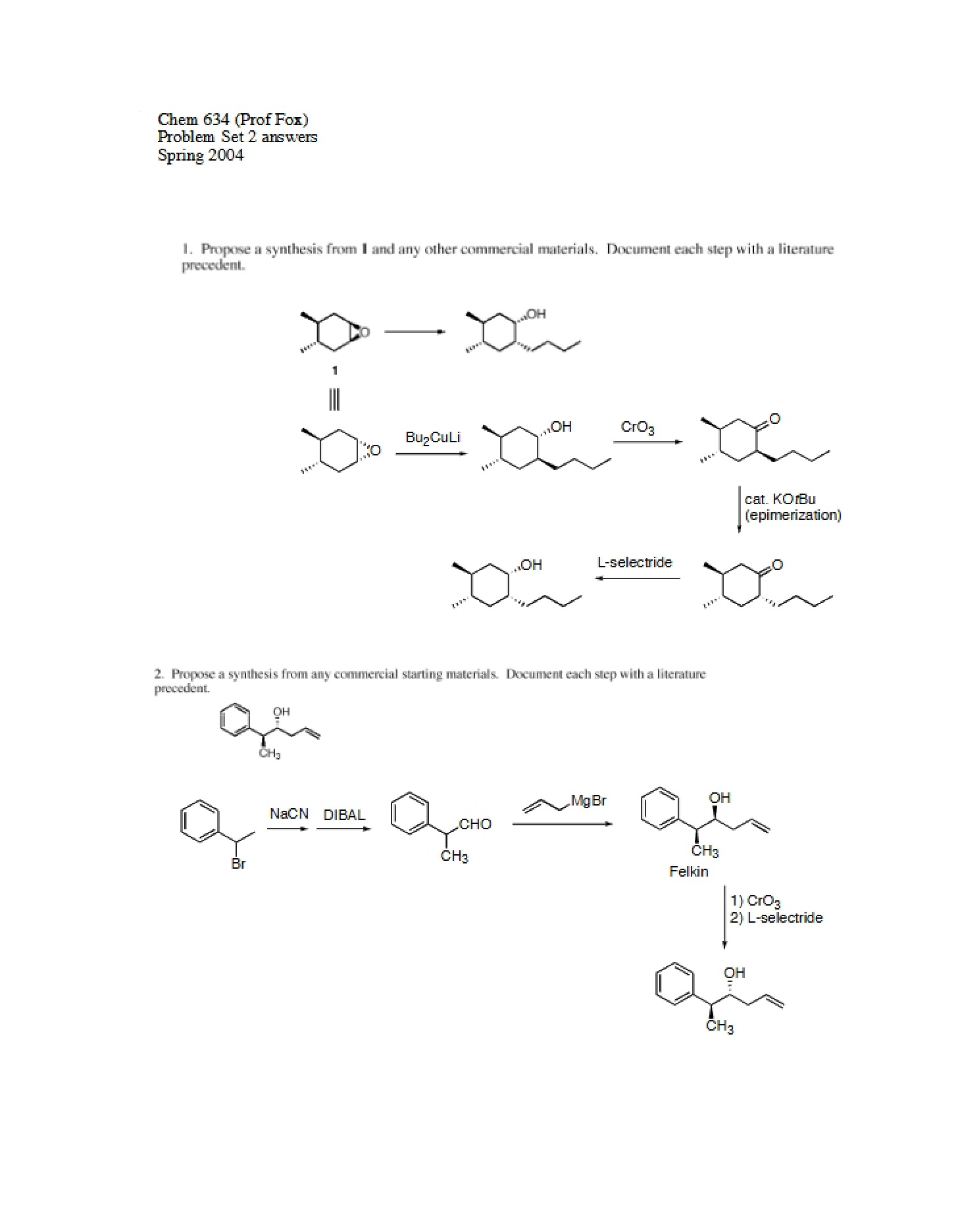
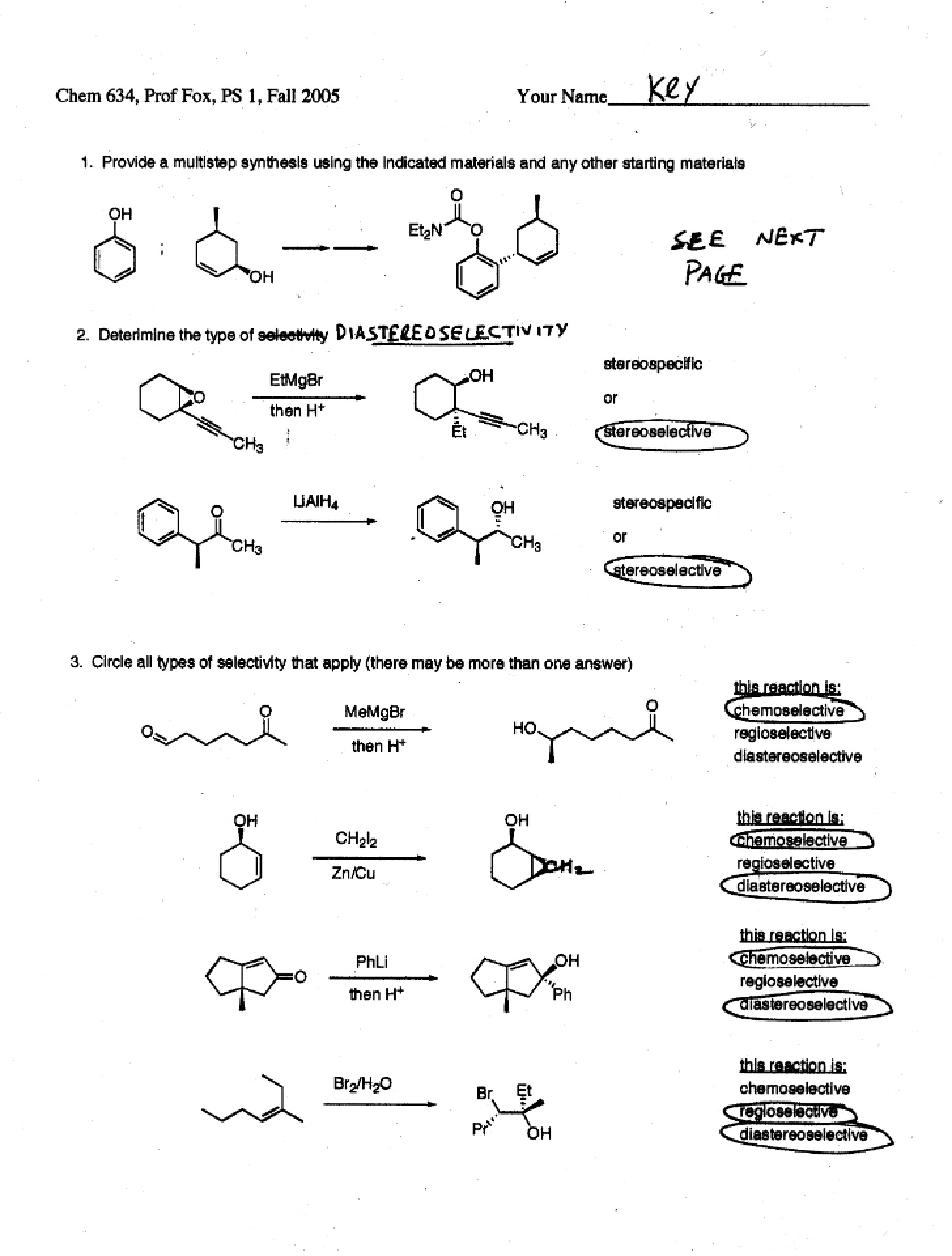
* A focused overview of reaction methodologies, enabling efficient study.
* Information on landmark discoveries and advancements in olefin metathesis catalysis.
* Bibliographic details for further research and exploration of each topic.