What This Document Is
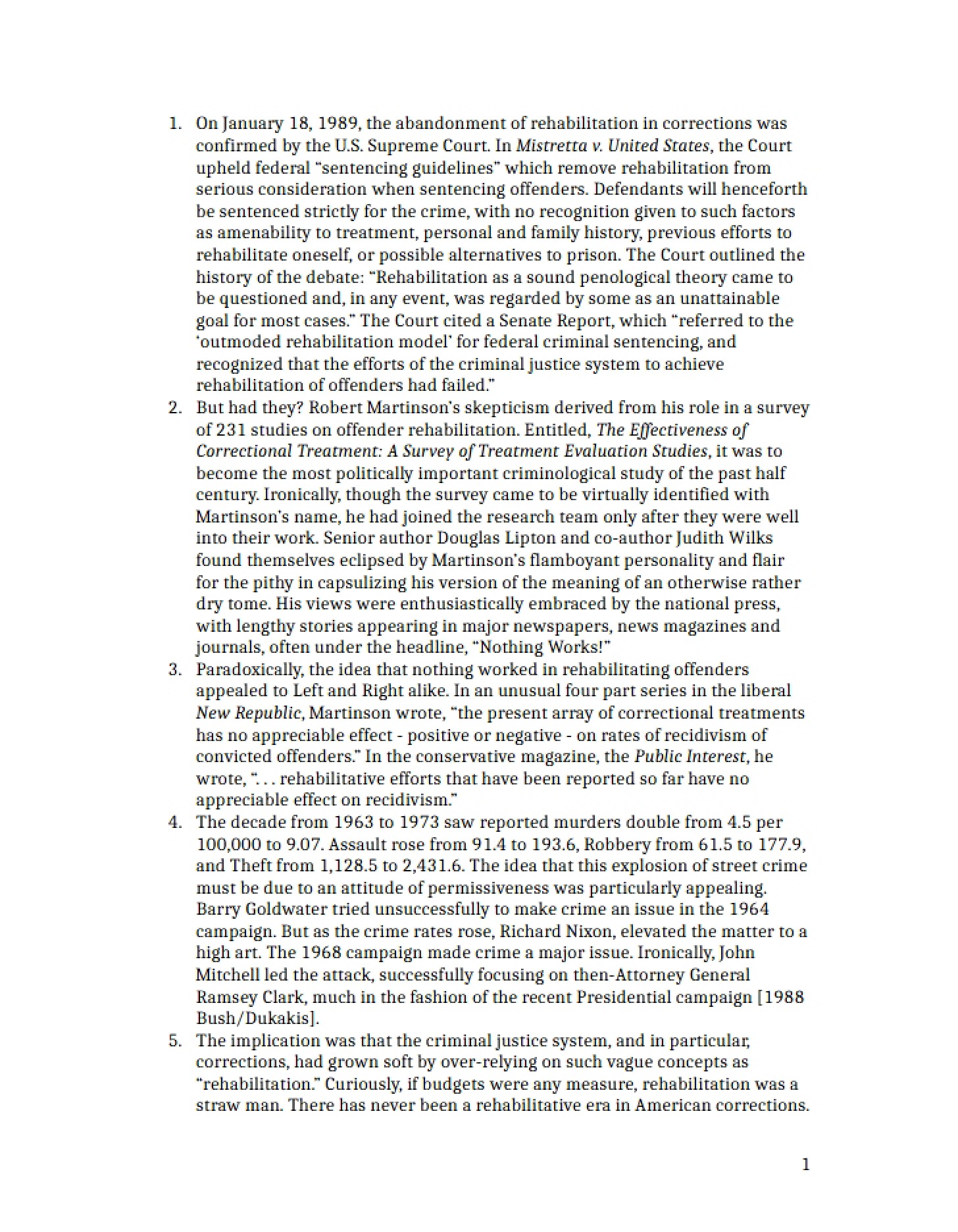
This document is a focused retrospective analysis examining a pivotal moment in criminological thought. It delves into the history and impact of a highly influential, yet often misunderstood, research article concerning the effectiveness of prison rehabilitation programs. The core of the analysis centers on the work of a specific sociologist and the lasting legacy of their findings within the American criminal justice system, with connections drawn to similar discussions in Australia. It’s a deep dive into the intersection of research, policy, and societal perceptions of crime and punishment.
Why This Document Matters
Students enrolled in courses like Introduction to Criminal Justice, Criminology, or Penology will find this resource particularly valuable. It’s ideal for those seeking to understand the historical context of current debates surrounding incarceration, rehabilitation, and sentencing practices. Anyone grappling with the complexities of correctional systems and the challenges of reducing recidivism will benefit from exploring the origins of key concepts and arguments that continue to shape the field. This is especially useful when preparing for discussions or research projects on the efficacy of different approaches to criminal justice.
Common Limitations or Challenges
This analysis does *not* offer a comprehensive overview of all rehabilitation programs, nor does it provide a current statistical analysis of recidivism rates. It focuses specifically on the reception and interpretation of one particular piece of research and its subsequent influence. It will not offer definitive answers on “what works” in corrections, but rather explores *how* perceptions of effectiveness have evolved over time. It does not present a step-by-step guide to implementing rehabilitation strategies.
What This Document Provides
* A historical overview of a landmark study in the field of corrections.
* An examination of the factors contributing to the widespread adoption of a specific viewpoint on rehabilitation.
* An exploration of the diverse reactions to the research from different ideological perspectives.
* Contextualization of the research within the broader socio-political climate of the United States in the 1970s.
* Discussion of the research’s impact beyond the United States, specifically referencing Australia.