What This Document Is
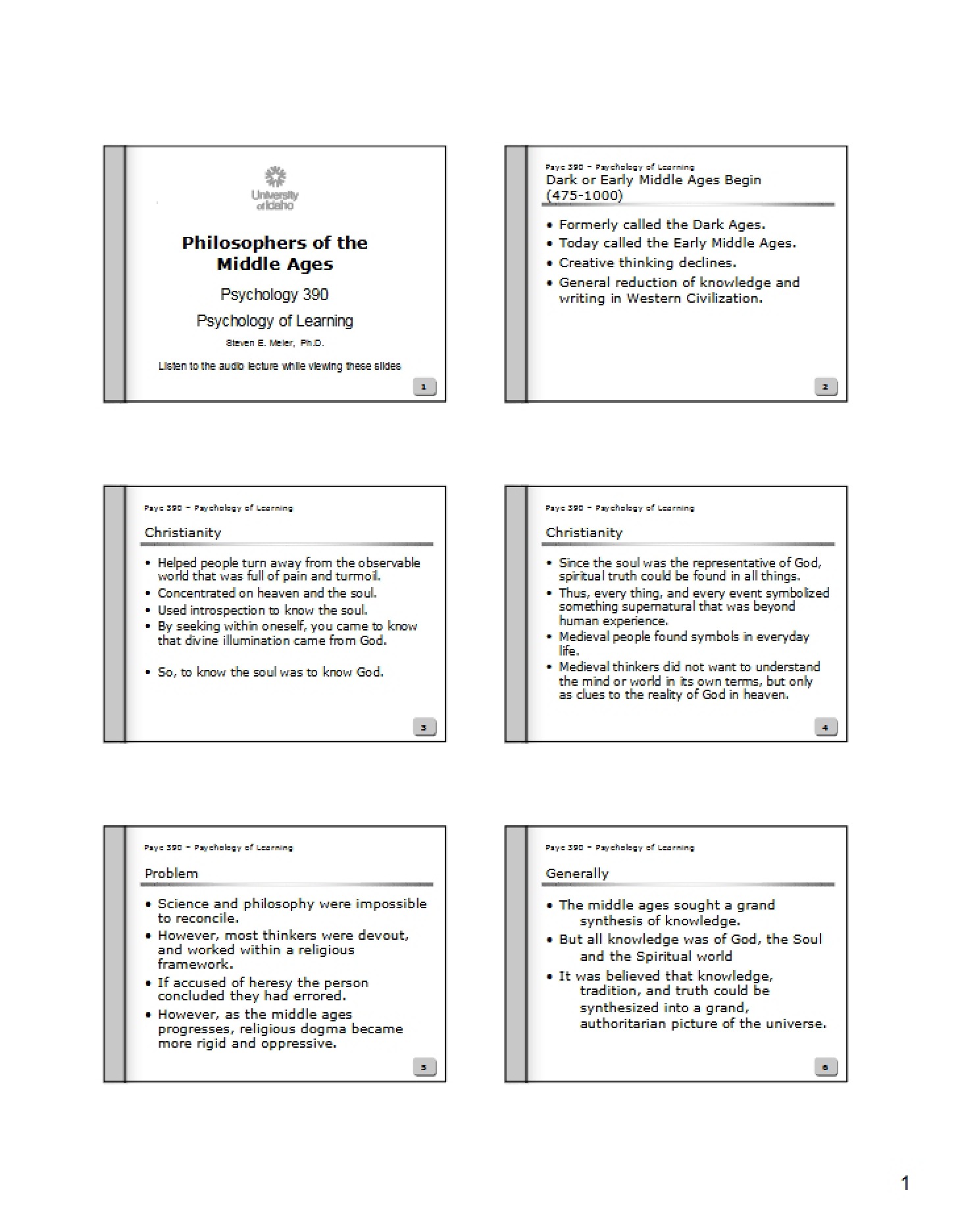
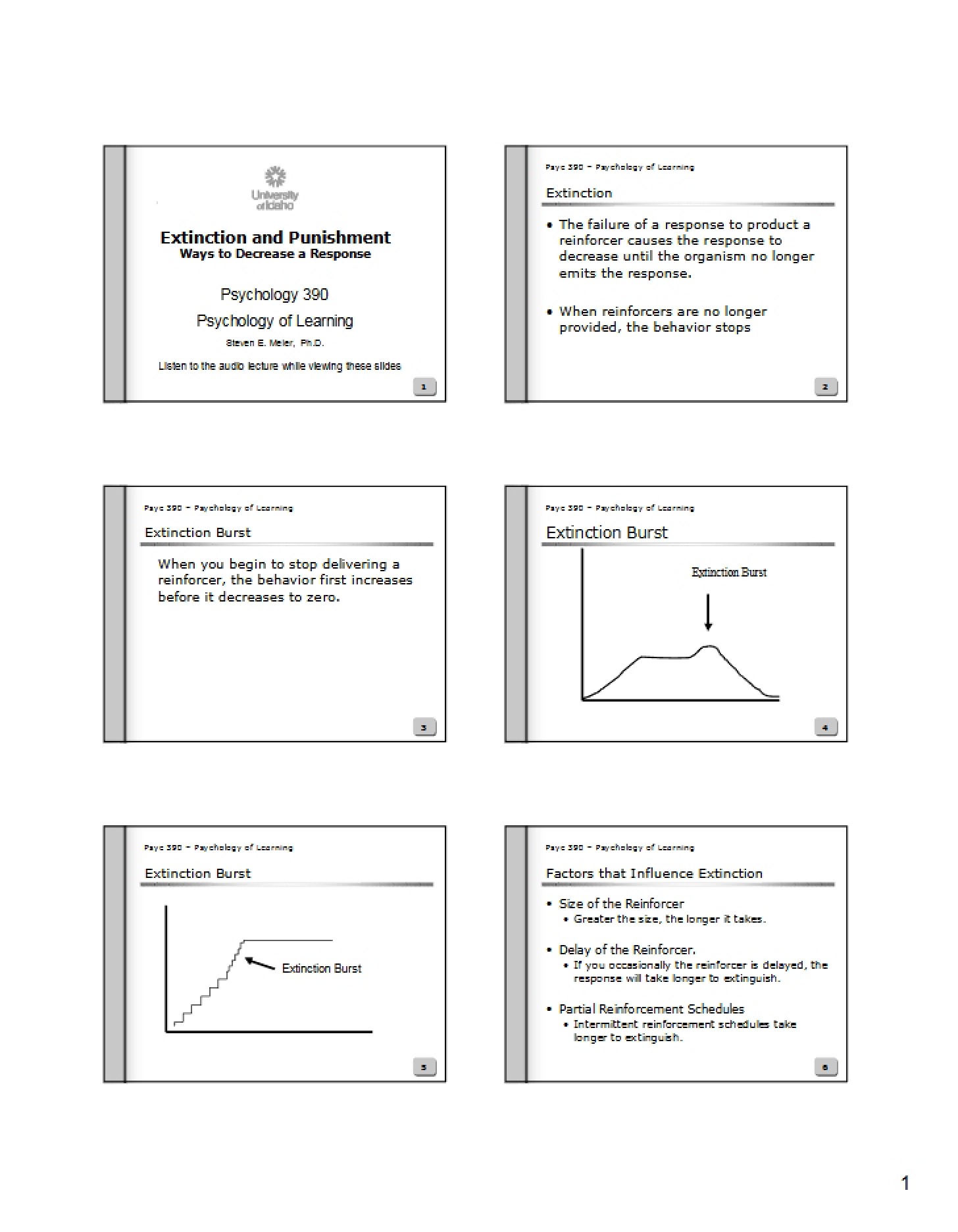
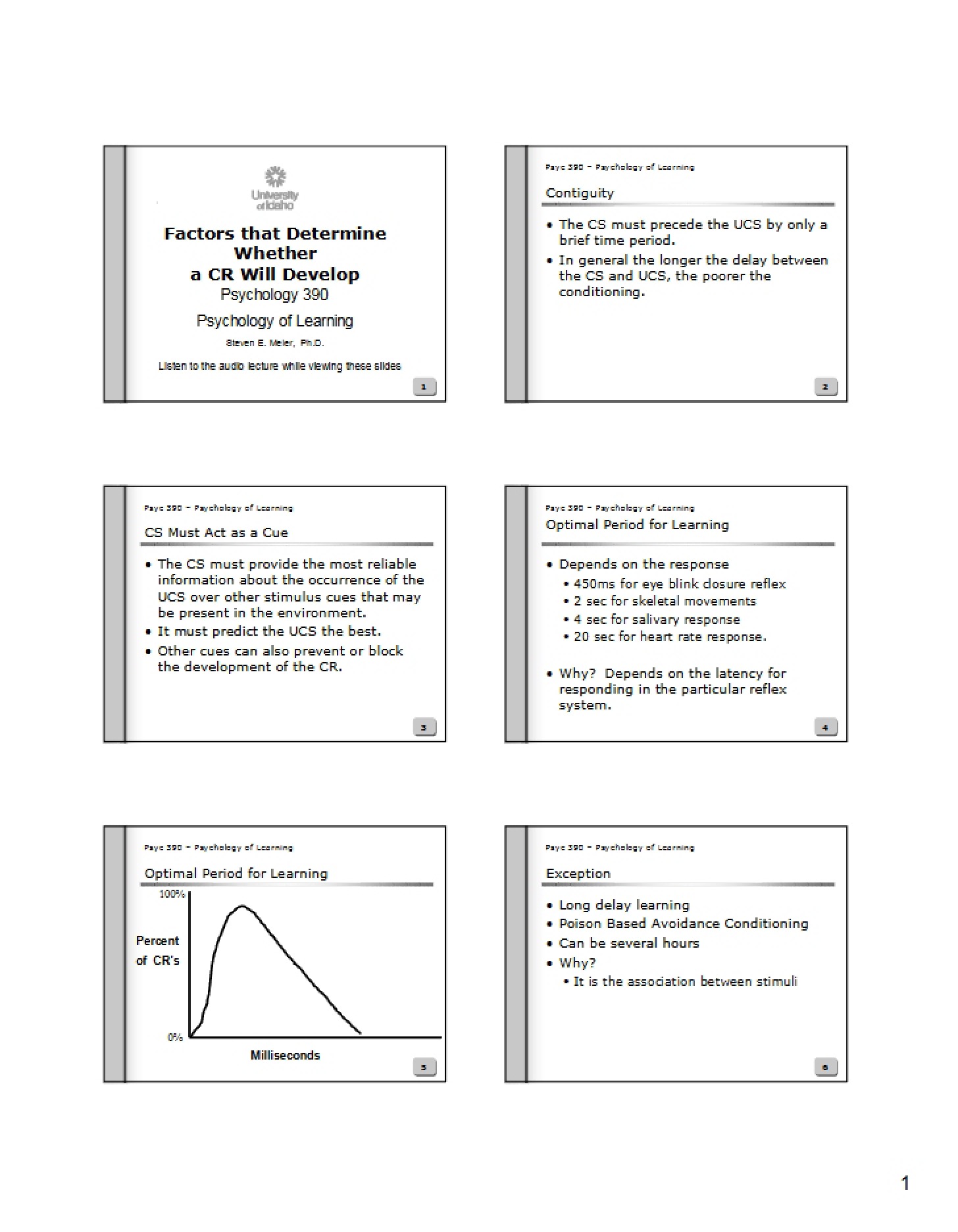
This resource is a comprehensive overview of the historical foundations underpinning the field of psychology, specifically as they relate to the study of learning. It explores the philosophical and scientific influences that shaped early psychological thought, tracing the evolution of ideas from the Scientific Revolution through the emergence of key concepts in understanding the mind and body. Designed for students in Psychology of Learning (PSYC 390) at the University of Idaho, this material is intended to complement audio lectures and video presentations.
Why This Document Matters
This material is essential for any student seeking a deeper understanding of *why* we study learning the way we do. It’s particularly helpful when you’re beginning to grapple with complex theories and research methods, as it provides crucial context for their development. Use this resource to build a strong foundation for future coursework, prepare for discussions, and gain a broader perspective on the historical trajectory of psychological inquiry. It’s most valuable when studied *alongside* the associated lecture materials.
Topics Covered
* The impact of the Scientific Revolution on early psychological thought.
* Key figures who challenged established beliefs about the universe and humanity’s place within it.
* The development of empirical research methods and their influence on the study of the natural world.
* Early philosophical perspectives on the relationship between the mind and body.
* The emergence of concepts related to reflexes and the physiological mechanisms underlying behavior.
* Historical debates surrounding the nature of consciousness and the soul.
What This Document Provides
* A chronological exploration of influential thinkers and their contributions.
* An examination of the challenges and controversies faced by early scientists and philosophers.
* A framework for understanding the historical roots of contemporary psychological theories.
* Insights into the evolution of scientific methodology and its application to the study of learning.
* Connections between philosophical ideas and their impact on the development of psychological concepts.