What This Document Is
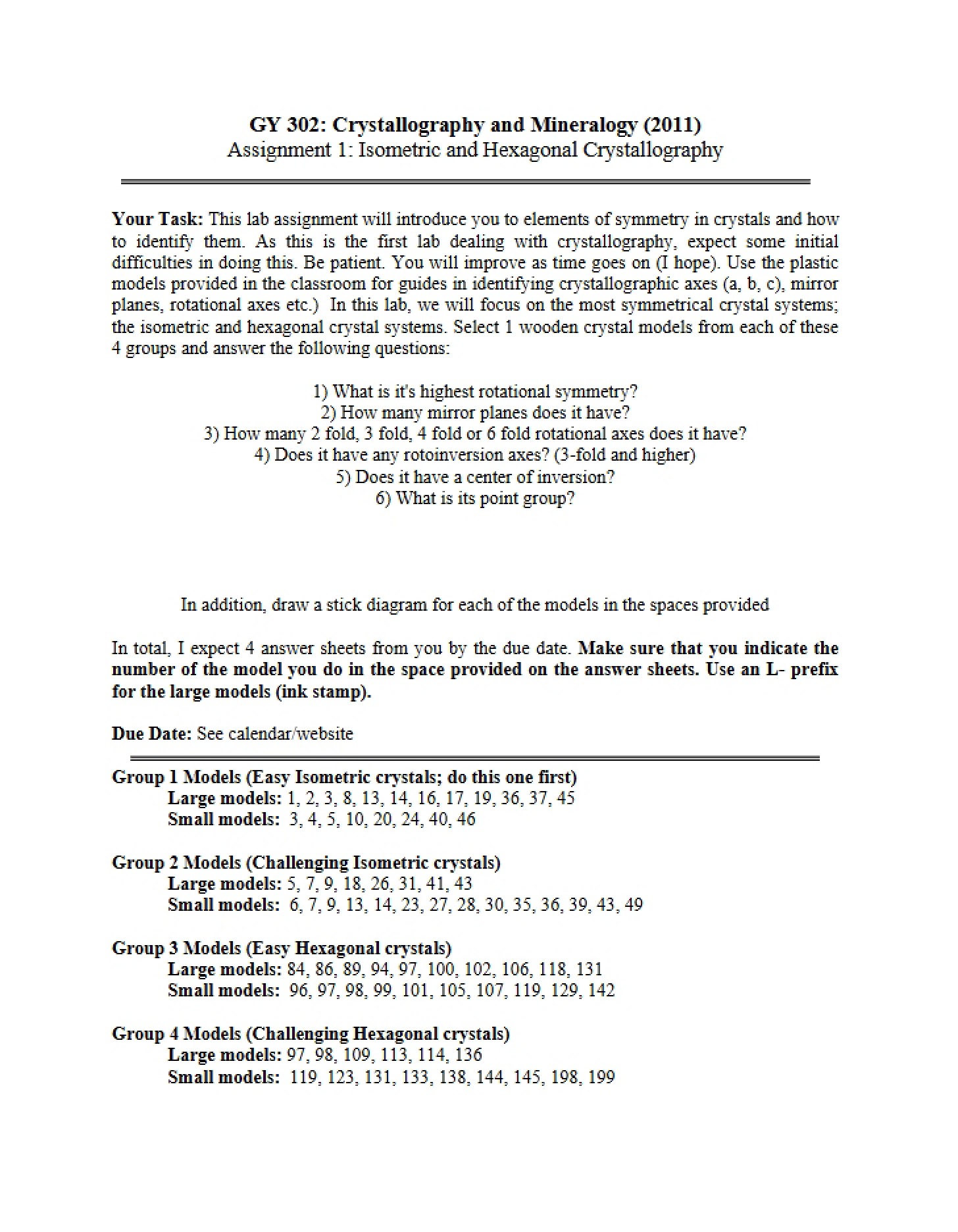
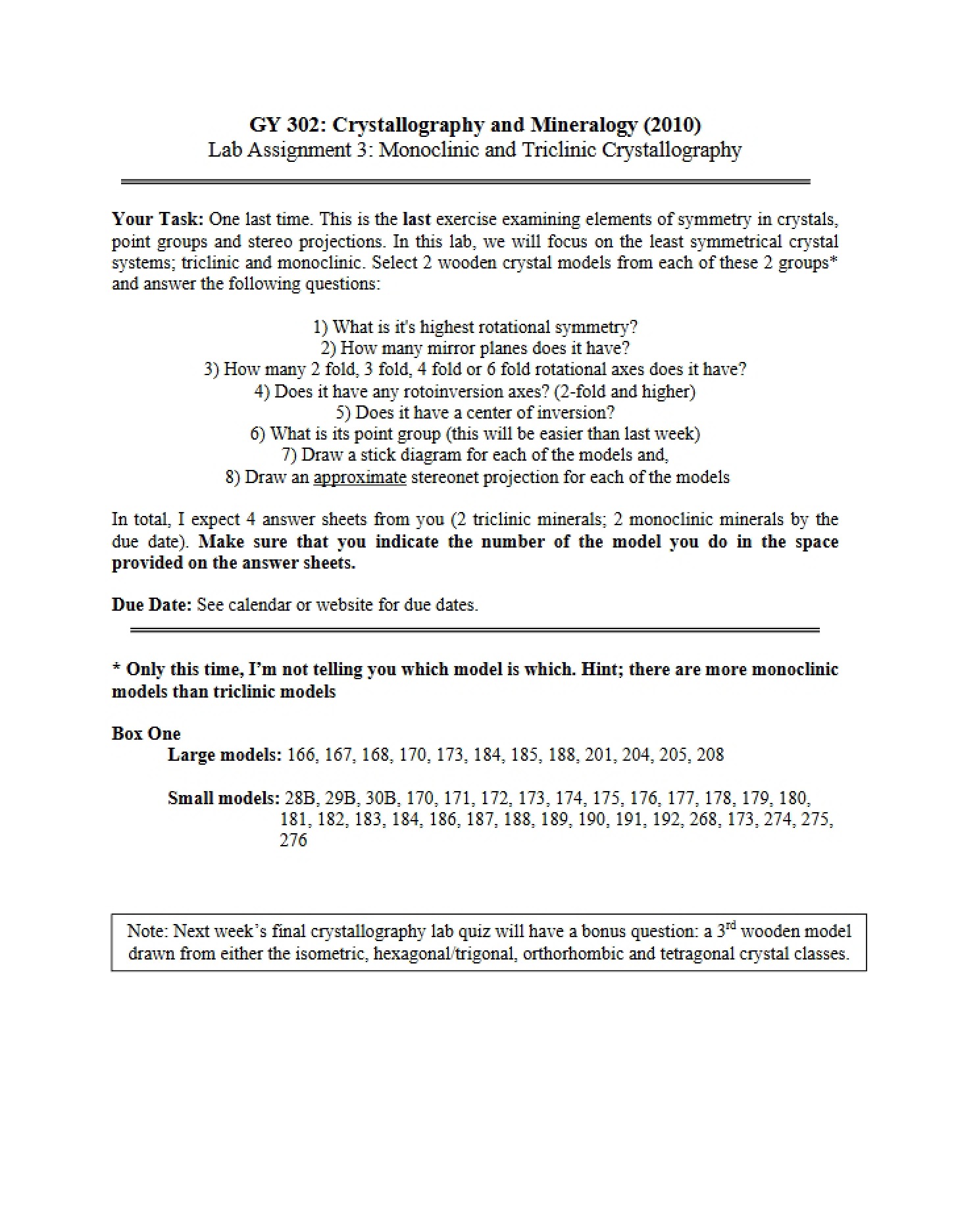
This document presents a review of performance on a recent mineral identification quiz (Quiz 2) within the context of a university-level Crystallography & Mineralogy course (GY 302) at the University of South Alabama. It’s accompanied by lecture materials focusing on the practical application of mineralogical knowledge to ore assessment – a crucial skill for economic geologists. The materials transition from initial mineral identification to the broader concepts of locating, evaluating, and potentially developing economically viable ore deposits.
Why This Document Matters
This resource is particularly valuable for students enrolled in GY 302 seeking to understand their strengths and weaknesses in mineral identification. Reviewing quiz results alongside the lecture content on ore assessment provides a direct link between foundational knowledge and its real-world application. It’s ideal for students preparing for further assignments, particularly Assignment 7, which builds upon the concepts presented. Anyone aiming for a career in economic geology, mining, or related fields will find the ore assessment portion highly relevant.
Common Limitations or Challenges
This document does *not* provide a comprehensive re-teaching of mineral identification principles. It assumes a baseline understanding of mineral properties and identification techniques. While it outlines the stages of ore assessment, it does not offer detailed, step-by-step instructions for staking claims, conducting assays, or interpreting complex geological data. The specific quiz questions and answers are not included; it only presents a summary of individual performance.
What This Document Provides
* A record of individual performance on a mineral identification quiz.
* An overview of the key stages involved in assessing the economic potential of an ore deposit.
* Discussion of the factors considered when evaluating the viability of a mining claim.
* Illustrative examples relating to the practical challenges and considerations in ore assessment.
* Contextual information linking mineral identification skills to broader geological and economic principles.