What This Document Is
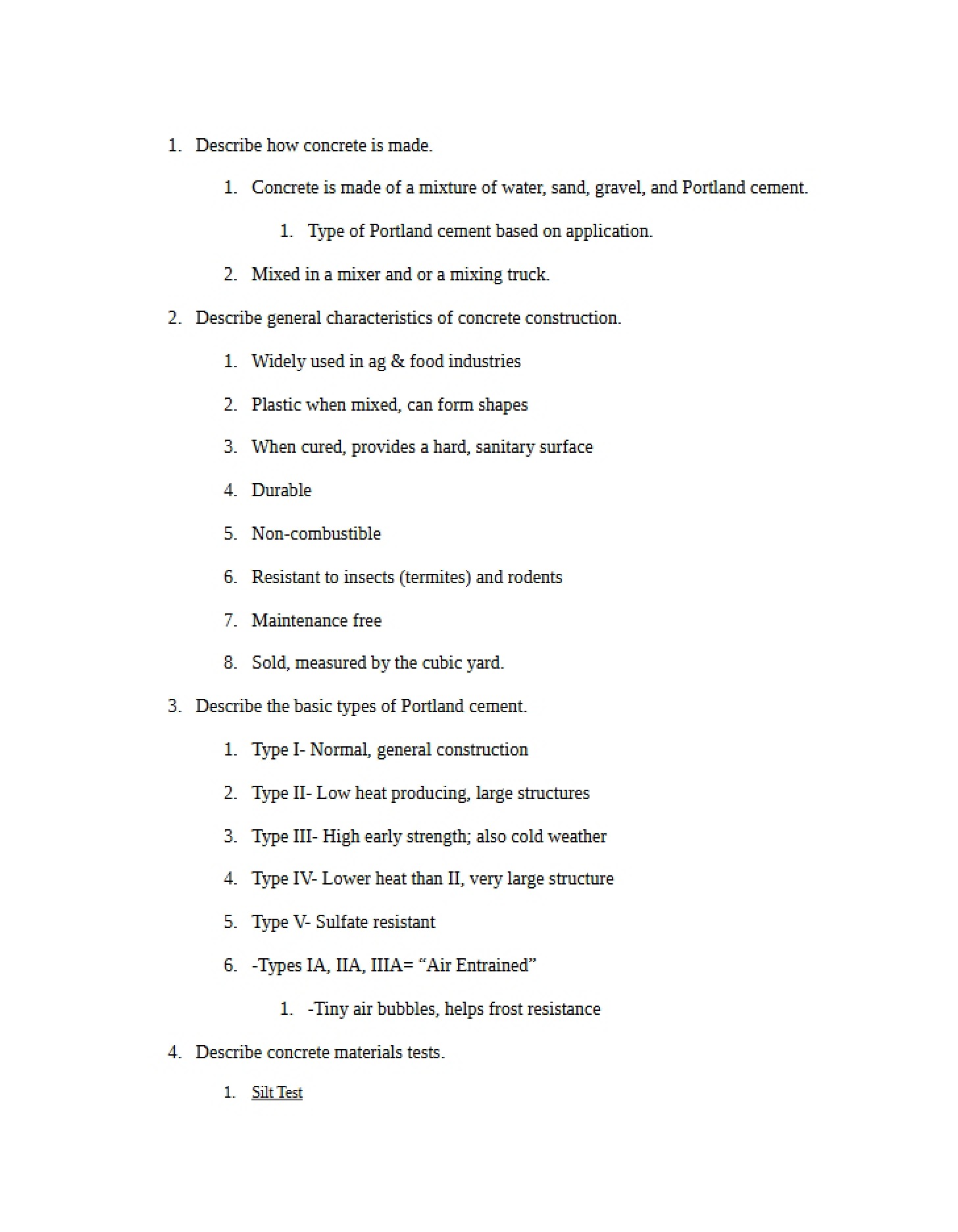
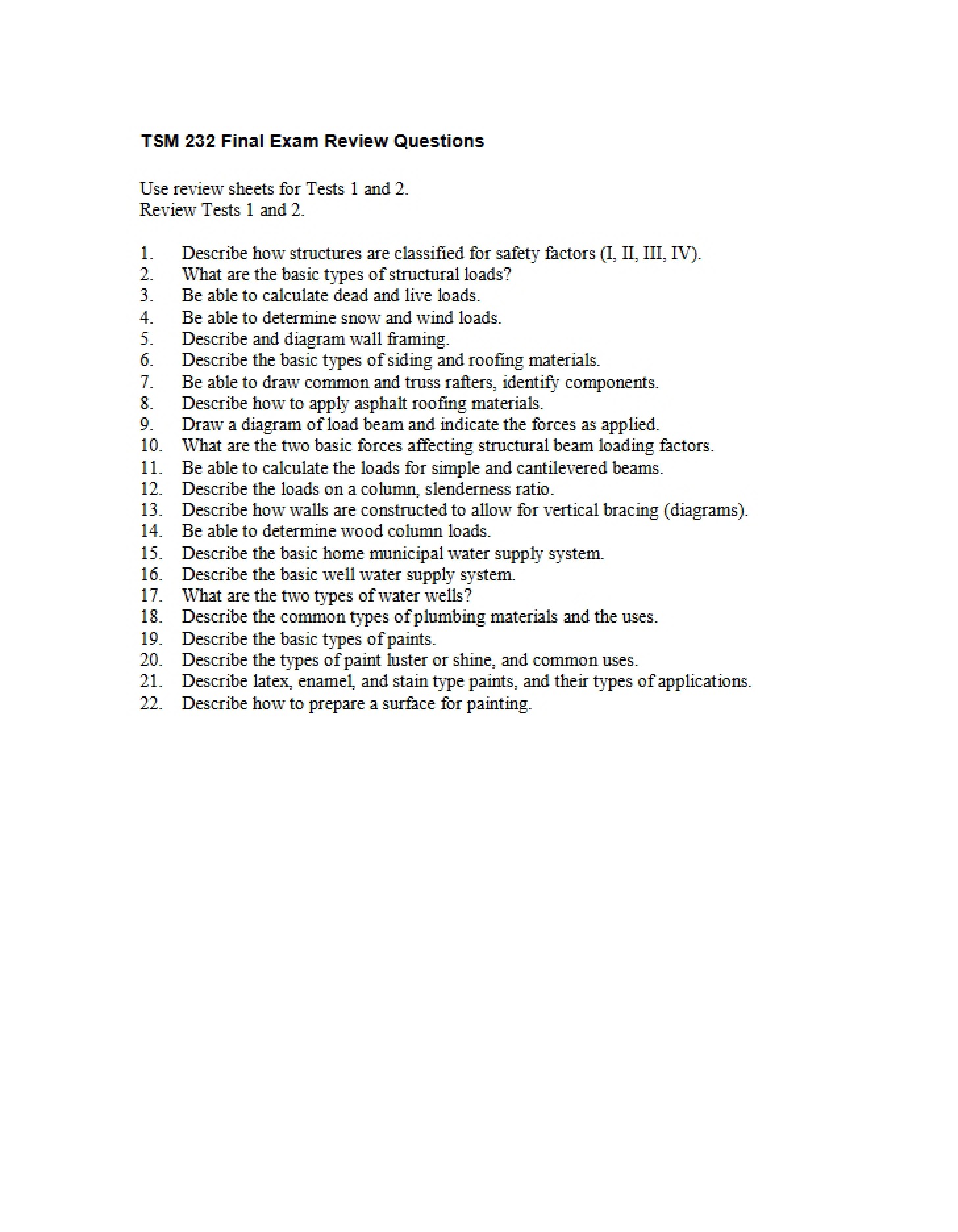
This is a comprehensive review resource designed to help students prepare for a final exam in TSM 232: Materials and Construction Systems at the University of Illinois at Urbana-Champaign. It focuses on foundational knowledge related to building materials, construction techniques, and fundamental design principles. The material is presented in a question-and-answer format, intended for self-assessment and focused study. It’s a tool to solidify understanding of core concepts covered throughout the course.
Why This Document Matters
This review is invaluable for students aiming to achieve a strong understanding of the principles governing modern construction. It’s particularly useful in the weeks leading up to the final exam, serving as a concentrated refresher of key topics. Students who utilize this resource will be better equipped to recognize, analyze, and apply concepts related to material properties, construction methods, and the building design process. It’s ideal for those looking to identify areas where further study is needed and to boost their confidence before the assessment.
Common Limitations or Challenges
This review is *not* a substitute for attending lectures, completing assigned readings, or engaging with other course materials. It’s designed to *supplement* existing knowledge, not replace it. While it covers a broad range of topics, it does not delve into highly specialized or niche areas within materials and construction. Furthermore, it does not include worked examples or detailed project applications – it focuses on conceptual understanding. Access to the full resource is required to gain detailed explanations and comprehensive coverage.
What This Document Provides
* An overview of various construction types, including frame, masonry, and metal structures.
* Identification of essential hand and power tools used in construction.
* A breakdown of the stages involved in the basic design process.
* Comparisons between different types of drawings – orthographic, isometric, and architectural.
* Key characteristics and classifications of wood as a building material (hardwood vs. softwood).
* Explanations of wood grain determination and lumber sawing methods.
* Information regarding lumber defects and their impact on material quality.
* Discussion of lumber moisture content and its relationship to shrinkage.