What This Document Is
This is a comprehensive review of histological principles, designed to reinforce concepts covered in a Biological Principles II Laboratory course. It delves into the microscopic structure of tissues – the building blocks of life – in both plants and animals. The material focuses on understanding how cells organize into increasingly complex structures, from tissues to organs and organ systems, and how these structures relate to overall function and health. It’s a focused exploration of the foundational elements of anatomy at the cellular level.
Why This Document Matters
This resource is ideal for students seeking to solidify their understanding of histology before quizzes, exams, or lab practicals. It’s particularly helpful for visual learners who benefit from a consolidated overview of tissue types and their organizational patterns. If you’re struggling to connect microscopic structures with macroscopic function, or need a refresher on the key characteristics of different tissues, this review will be a valuable asset. It’s also useful for anyone preparing to move on to more advanced topics in biology that rely on a strong histological foundation.
Common Limitations or Challenges
This review is intended as a supplementary study aid and does not replace the need for active participation in laboratory sessions or thorough review of course lectures. It provides a broad overview but does not include detailed experimental protocols or specific identification exercises. It also assumes a basic understanding of cell biology and introductory anatomy. This resource focuses on *what* tissues are and *why* they matter, but won’t walk you through detailed identification procedures.
What This Document Provides
* An overview of the importance of histology in understanding organismal structure and function.
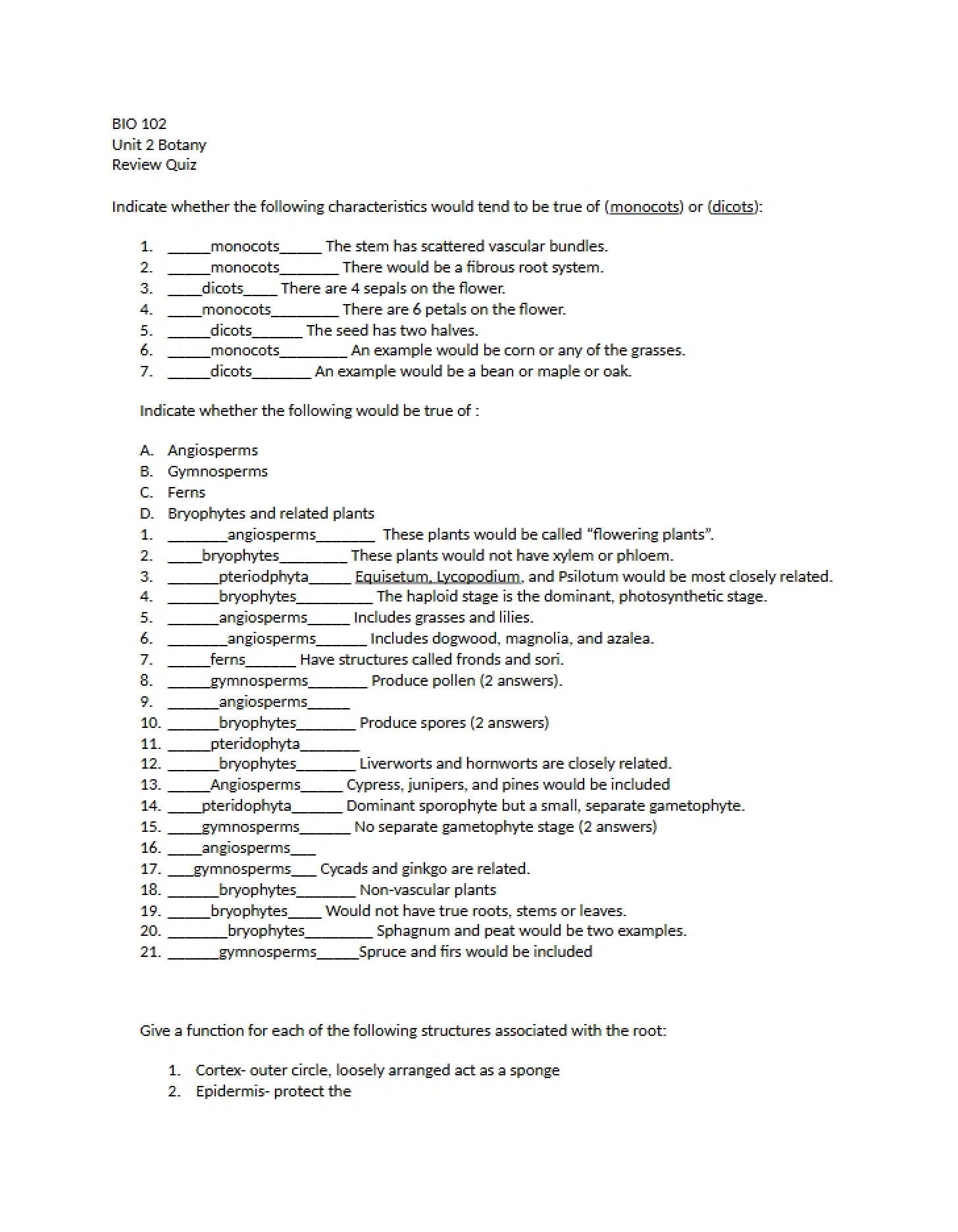
* A comparative look at the three main tissue systems found in plants – dermal, vascular, and ground – and their roles.
* Detailed consideration of plant tissue organization in stems and roots.
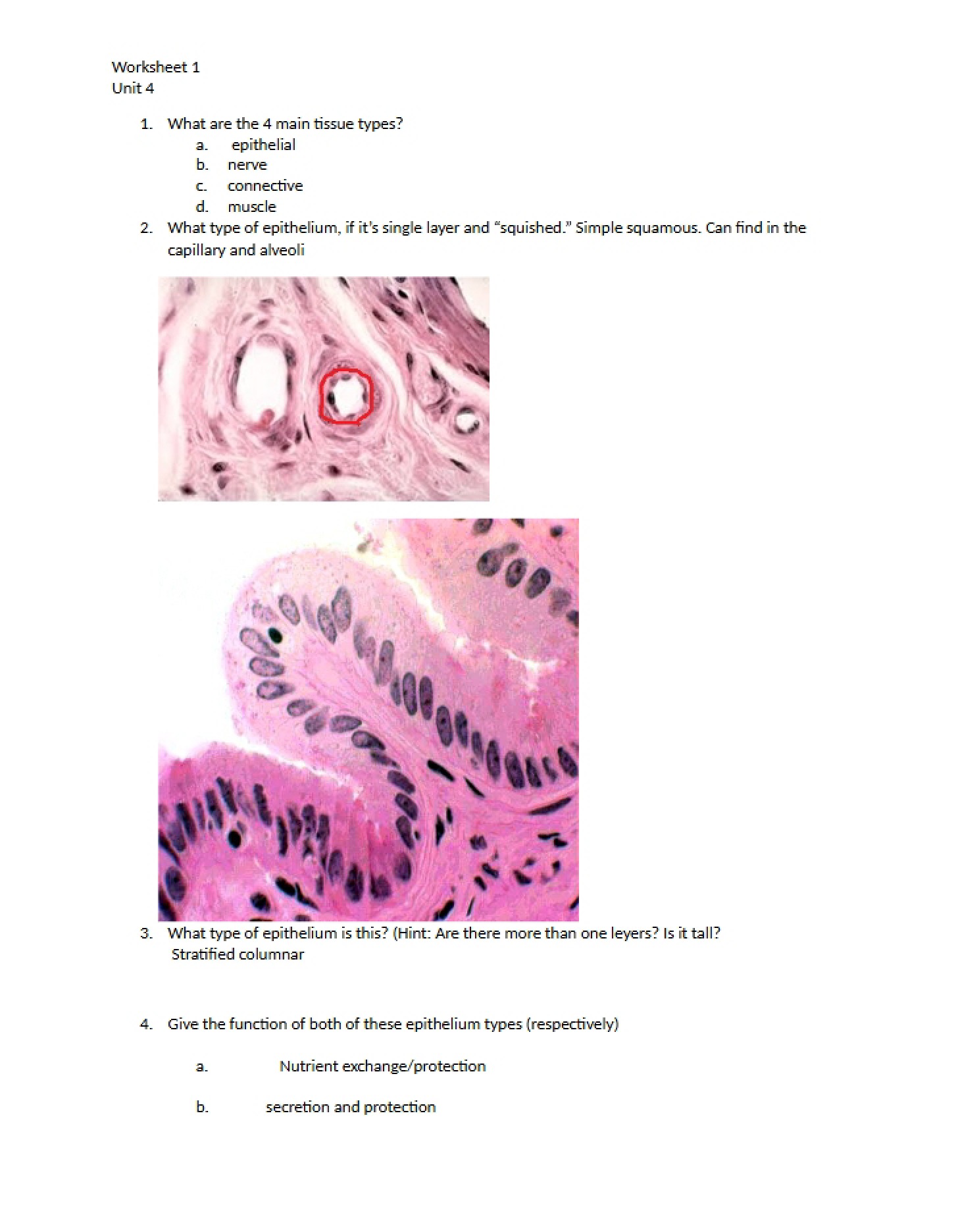
* A breakdown of the four primary tissue types found in animals: epithelial, connective, muscle, and nervous.
* Exploration of the diverse subtypes within epithelial and connective tissues.
* Key characteristics of blood, bone, and cartilage as examples of specialized connective tissues.
* Discussion of the structural components and functional significance of various tissue types.