What This Document Is
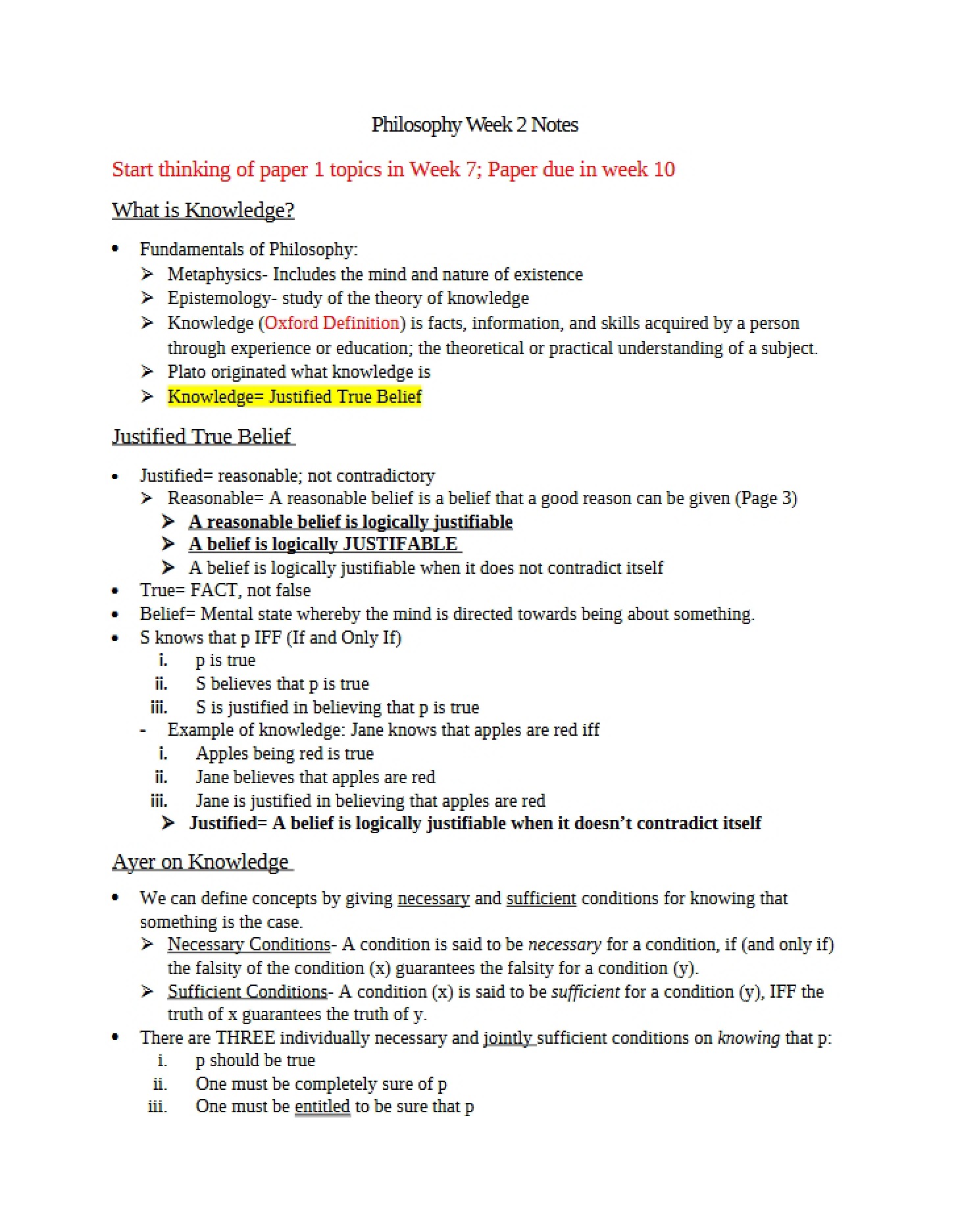
This is a comprehensive review designed to support students in a foundational philosophy course, specifically focusing on material covered in Week 4. It serves as a focused exploration of core concepts related to the mind-body problem, a central debate in the field of philosophy. This resource consolidates key ideas and arguments presented in course readings and lectures, offering a structured overview of complex philosophical positions.
Why This Document Matters
This review is particularly beneficial for students preparing for assessments, seeking to solidify their understanding of challenging concepts, or needing a concise reference point for further study. It’s ideal for use *after* engaging with the assigned readings and lectures, as it’s designed to reinforce and synthesize that material. Students who find themselves grappling with the intricacies of dualism, materialism, and the nature of consciousness will find this a valuable tool for clarifying their understanding.
Topics Covered
* Competing philosophical approaches to the mind-body problem (including various forms of dualism and materialism)
* Arguments both for and against dualistic perspectives
* Key terminology related to consciousness, intelligence, and subjective experience
* Detailed examination of the work of prominent philosophers like Nagel and Jackson
* Exploration of the concept of qualia and the “explanatory gap” in understanding consciousness
* Introduction to the contributions of Alan Turing and the implications of his work
What This Document Provides
* A structured overview of the major positions in the mind-body debate.
* Definitions of essential philosophical terms related to consciousness and cognition.
* Summaries of key arguments presented by influential philosophers.
* A framework for understanding the complexities surrounding the nature of consciousness and its relationship to the physical world.
* Points for consideration regarding the potential for consciousness in non-human entities.