What This Document Is
This is a focused review resource designed to help students prepare for the first exam in PSYC 210: Behavioral Neuroscience at the University of Illinois at Urbana-Champaign. It comprehensively covers core concepts explored in the initial stages of the course, aiming to solidify understanding before a formal assessment. The material is presented in a review-style format, intended for students who have already engaged with the lecture material and textbook readings.
Why This Document Matters
This resource is invaluable for students seeking to actively test their knowledge and identify areas needing further study. It’s particularly useful in the days leading up to the exam as a concentrated refresher. Students who benefit most are those who learn effectively through summarizing and revisiting key principles. It’s best utilized *after* completing assigned readings and attending lectures, serving as a bridge between foundational learning and exam application. Those aiming for a strong grasp of the biological underpinnings of behavior will find this particularly helpful.
Common Limitations or Challenges
This review is not a substitute for attending lectures, completing assigned readings, or engaging with other course materials. It does not provide new information beyond what has already been presented in the course. It also doesn’t offer practice exam questions or detailed explanations of complex experimental designs. The material is presented concisely, and assumes a baseline understanding of the foundational concepts. It is designed to *reinforce* learning, not to *teach* it from scratch.
What This Document Provides
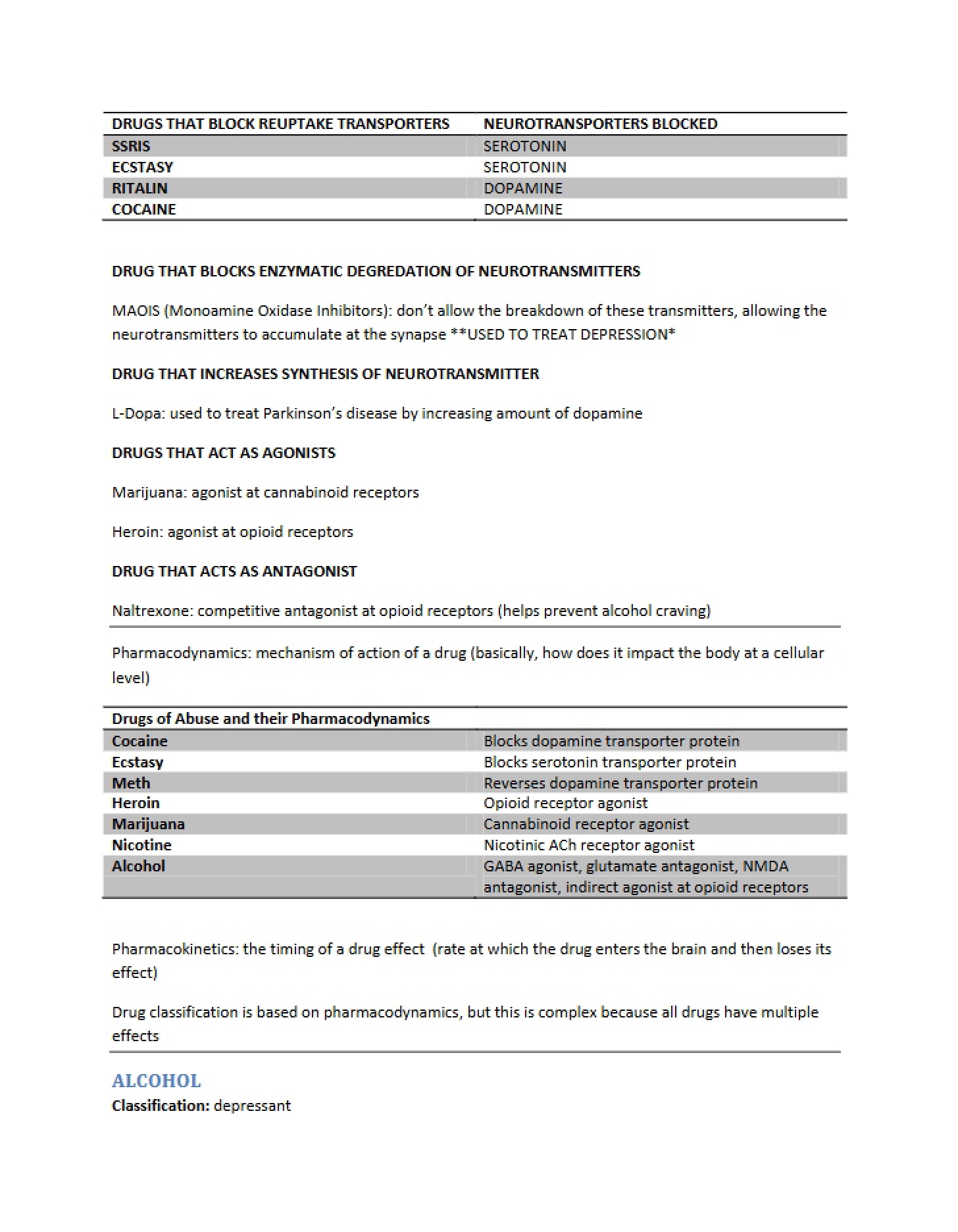
* A focused overview of neuronal communication and receptor function.
* Key concepts related to different types of memory and the brain structures involved.
* An exploration of the neural basis of movement, including the roles of various motor areas.
* Discussion of sensory processing, specifically focusing on the sense of touch and cortical plasticity.
* Explanation of fundamental neurophysiological principles like refractory periods.
* Insights into cerebellar structure and function, including the roles of Purkinje, mossy, and climbing fibers.
* Review of the hypothalamus and its role in regulating essential bodily functions.