What This Document Is
This is a comprehensive review sheet designed to help students prepare for Exam 3 in MCB 246, Human Anatomy & Physiology II at the University of Illinois at Urbana-Champaign. It focuses specifically on the complex systems of immunity, covering both innate and adaptive defenses within the human body. The material is structured as a focused review of key concepts presented in Chapter 22 and related lectures.
Why This Document Matters
This resource is ideal for students looking to consolidate their understanding of immunological processes before a major assessment. It’s particularly useful for those who benefit from a structured overview of the material, identifying key areas for focused study. Use this review sheet to pinpoint knowledge gaps, reinforce core principles, and build confidence heading into the exam. It’s best utilized *after* completing assigned readings and attending lectures, serving as a powerful tool for active recall and self-assessment.
Common Limitations or Challenges
This review sheet is not a substitute for attending lectures, completing assigned readings, or engaging with other course materials. It provides a high-level overview and does *not* contain detailed explanations of every concept. It will not provide worked examples, practice questions, or direct answers to potential exam questions. The depth of coverage assumes a foundational understanding of anatomical and physiological principles established in prior coursework.
What This Document Provides
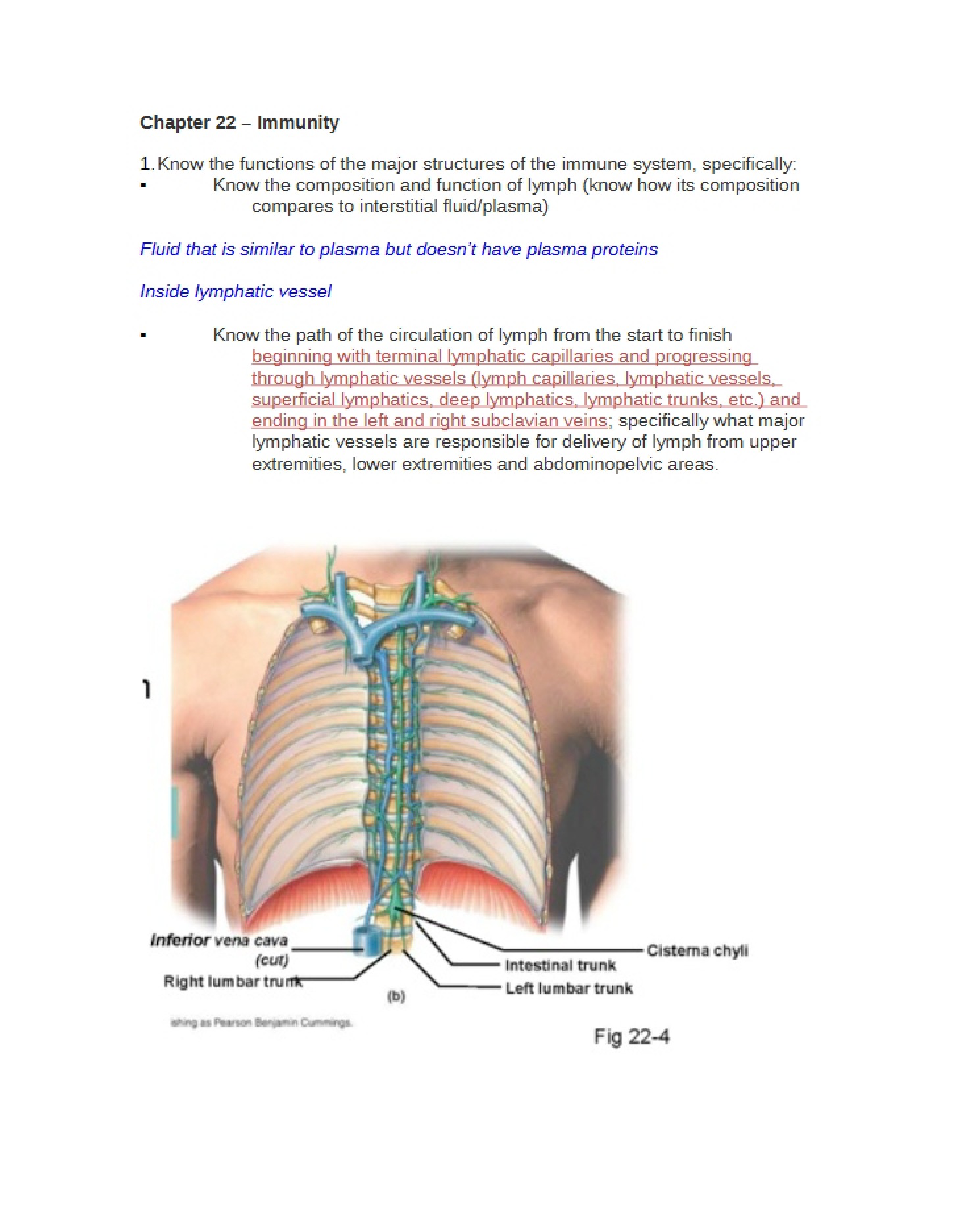
* A focused review of the structures and functions of the lymphatic system and its role in immunity.
* Detailed exploration of the different types of lymphocytes and their specific roles in immune responses.
* An overview of lymphoid tissues, nodules, and organs (thymus and spleen) and their contributions to immune function.
* A categorization of nonspecific (innate) defense mechanisms and their respective functions.
* A breakdown of the principles of specific (acquired) immunity, including antigen presentation and the roles of different immune cells.
* Coverage of key processes like inflammation, fever, and the complement system.
* Clarification of different classifications of immunity (innate/acquired, active/passive).