What This Document Is
This study guide provides a focused exploration of the transformative period in American history known as the Revolution of Industry, spanning roughly from the late 19th century into the early 20th. It delves into the key factors that drove unprecedented technological advancements and their sweeping consequences for American society, economy, and culture. This resource is designed for students navigating the complexities of this era within a U.S. History framework.
Why This Document Matters
Students enrolled in U.S. History courses – particularly those covering the period from 1877 to the present – will find this guide exceptionally valuable. It’s ideal for supplementing lectures, clarifying complex concepts, and preparing for assessments. Individuals seeking a deeper understanding of the foundations of modern America, and the forces that shaped its industrial landscape, will also benefit from the insights contained within. Unlock a more comprehensive grasp of this pivotal era and enhance your academic performance.
Topics Covered
* The impact of key technological innovations on daily life and the national landscape.
* The rise of influential inventors and their contributions to industrial progress.
* The evolution of production methods and the emergence of modern management techniques.
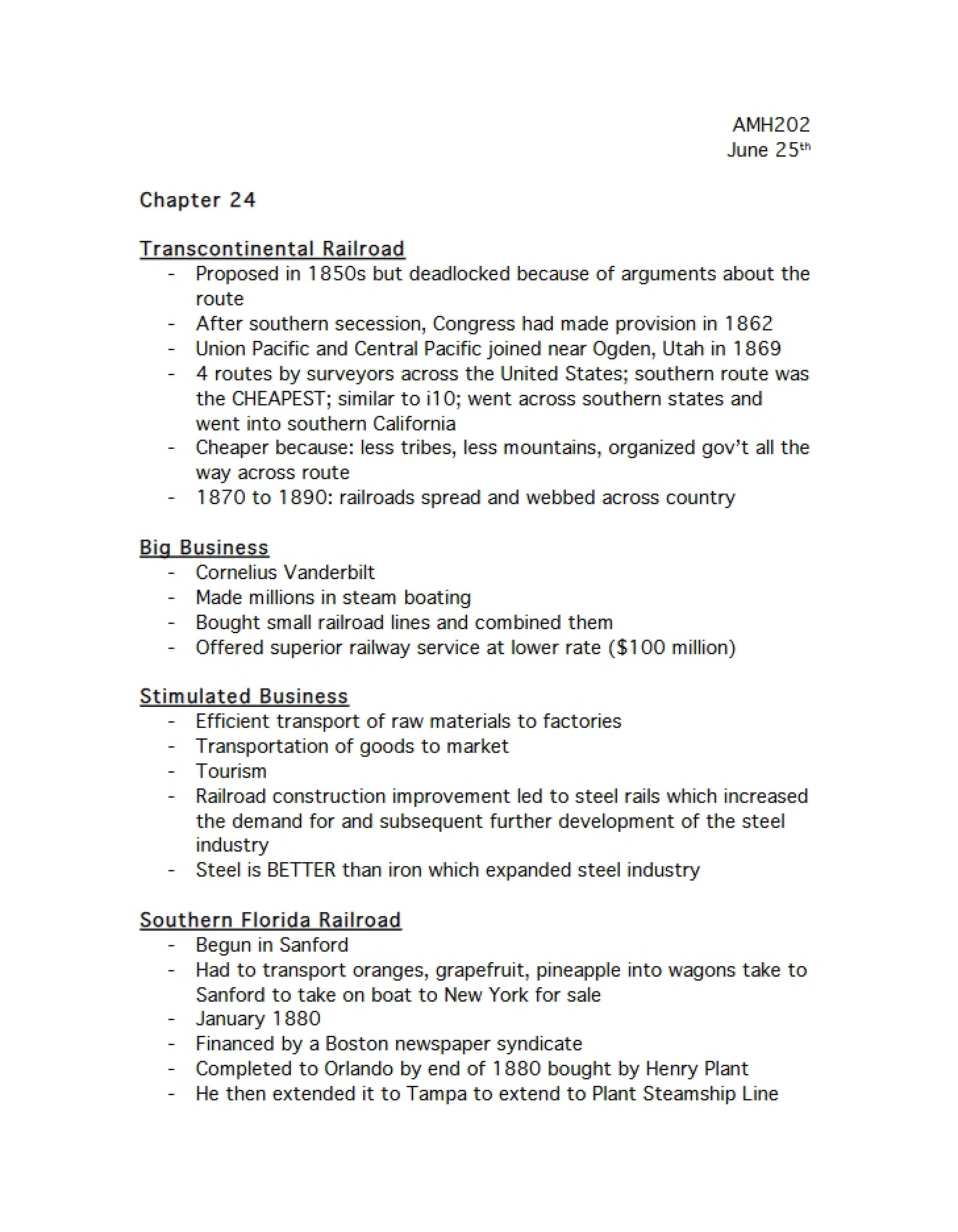
* The expansion of transportation networks and their role in connecting the nation.
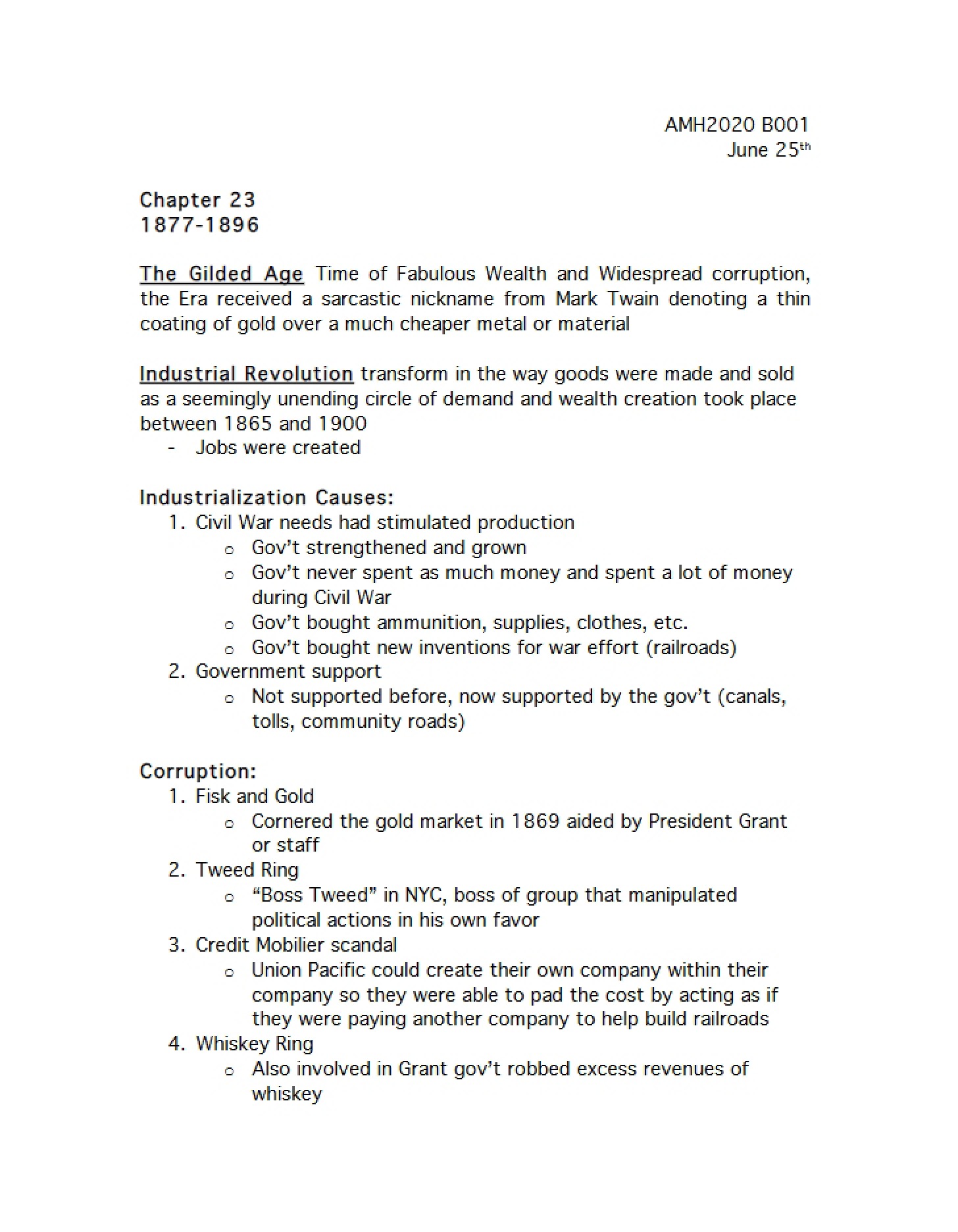
* The formation of large-scale corporations and the changing nature of business.
* The concentration of wealth and the emergence of new economic philosophies.
* The social implications of industrialization, including shifts in the workforce and class structures.
* Competing perspectives on the benefits and drawbacks of rapid industrial growth.
What This Document Provides
* An overview of the “Technology Trifecta” and its lasting effects.
* Examination of the contributions of pivotal figures in innovation and industry.
* Insights into the development of modern corporate structures and financial practices.
* Exploration of the societal changes brought about by new production and labor systems.
* Discussion of the ideologies that emerged in response to the challenges of industrialization.
* Contextualization of the period’s economic transformations within broader social and political trends.