What This Document Is
This comprehensive study guide delves into the fascinating world of behavioral psychology, specifically focusing on the intricate relationship between biological rhythms and fundamental drives like hunger, sleep, and metabolism. Created from lecture notes for Psych3313 at The Ohio State University, this resource offers a detailed exploration of the physiological mechanisms underlying these behaviors. It’s designed to support a deep understanding of core concepts within the field.
Why This Document Matters
This study guide is ideal for students enrolled in behavioral psychology courses, particularly those covering topics like neurobiology, circadian rhythms, and the physiological basis of motivation. It’s especially valuable when preparing for exams or seeking to solidify understanding of complex systems like the limbic system and hypothalamus. Students who want a robust resource to complement their coursework will find this particularly helpful.
Topics Covered
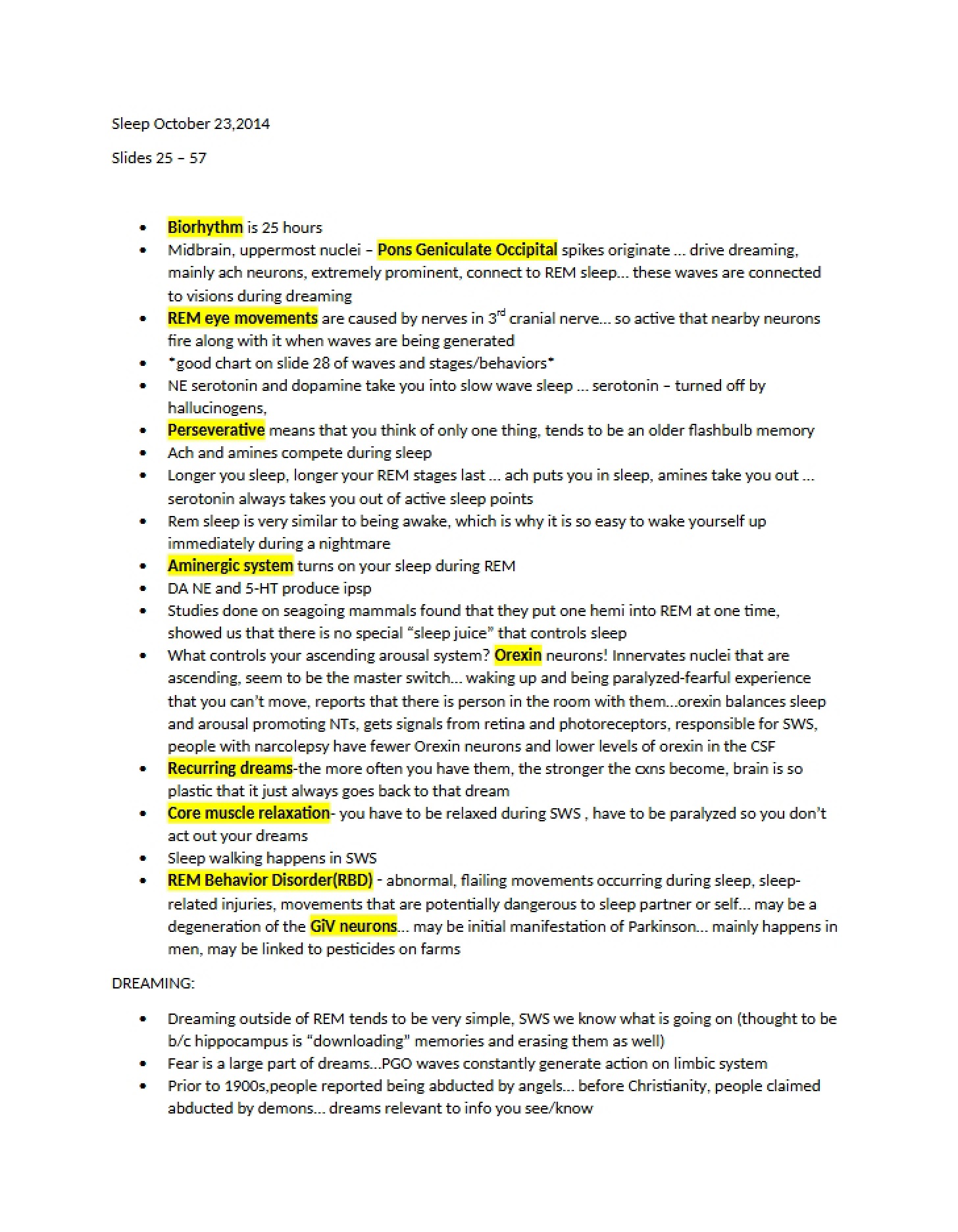
* Circadian Rhythms and the Master Clock
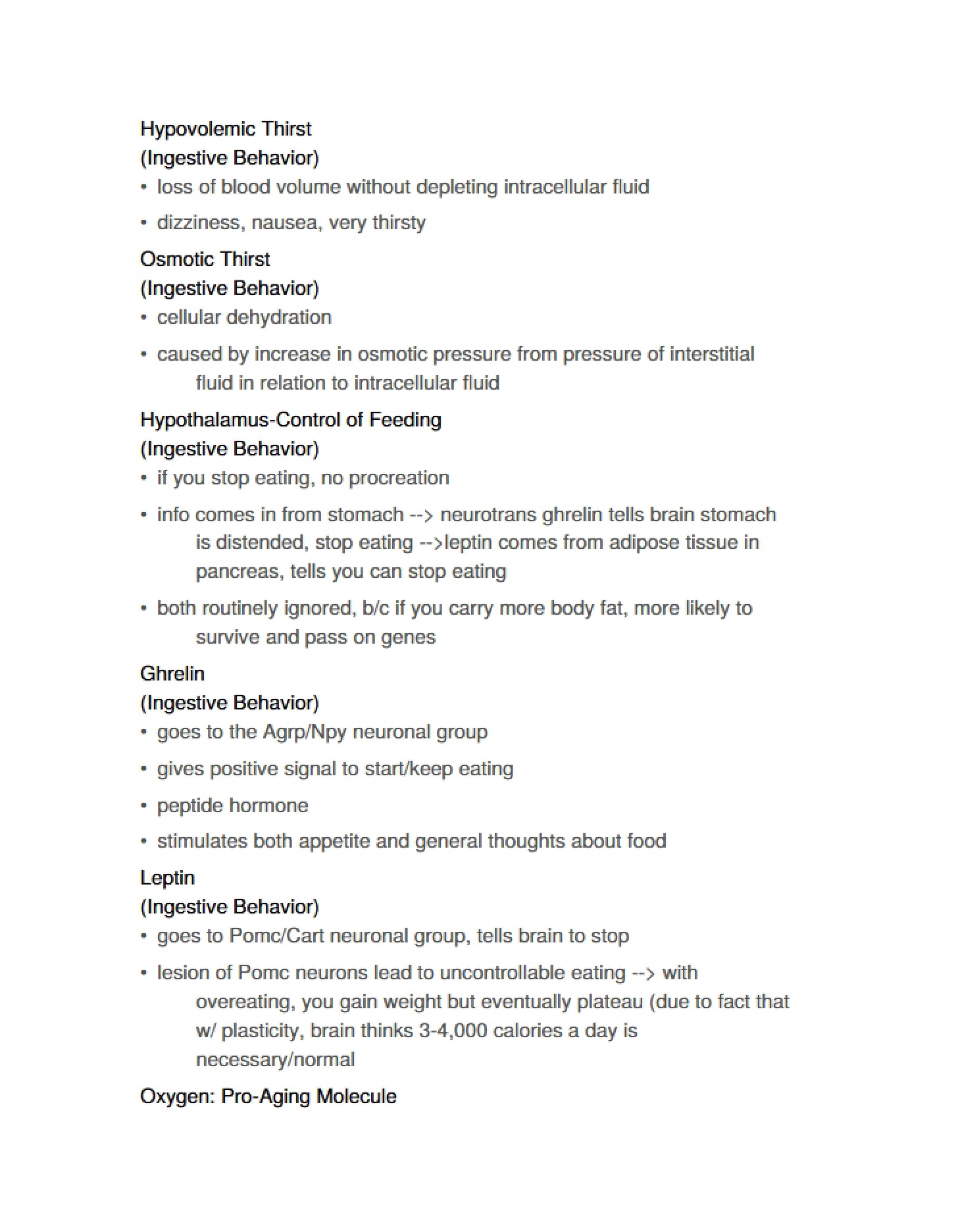
* The Role of the Hypothalamus in Regulating Feeding Behavior
* Neurotransmitters Involved in Hunger and Satiety (Ghrelin, Leptin, Orexin)
* The Connection Between Metabolism, Body Size, and Longevity
* The Impact of Sleep Deprivation on Eating Habits and Emotional Responses
* The Physiological Effects of Oxygen Metabolism and Free Radicals
* Sex Differences in Metabolism and Lifespan
* The Gut Microbiome and its Influence on Nutrient Absorption
What This Document Provides
* Detailed notes covering key lecture points from a university-level behavioral psychology course.
* An overview of the neural pathways and brain structures involved in regulating essential biological processes.
* Insights into the interplay between physiological factors and behavioral outcomes.
* Connections between fundamental biological processes and broader health considerations, such as aging and disease.
* A focused review of concepts likely to appear on assessments related to the limbic system, hypothalamus, sleep, and circadian rhythms.