What This Document Is
This document offers a detailed overview of the Robotic Lunar Exploration Program (RLEP) at the University of Idaho, specifically focusing on the IDAHO project. It’s a program description outlining a collaborative effort with NASA, geared towards advanced engineering students tackling real-world challenges in space exploration. The document details the program’s background, motivations, and specific project opportunities related to future lunar missions. It serves as a foundational resource for understanding the scope and objectives of this research initiative.
Why This Document Matters
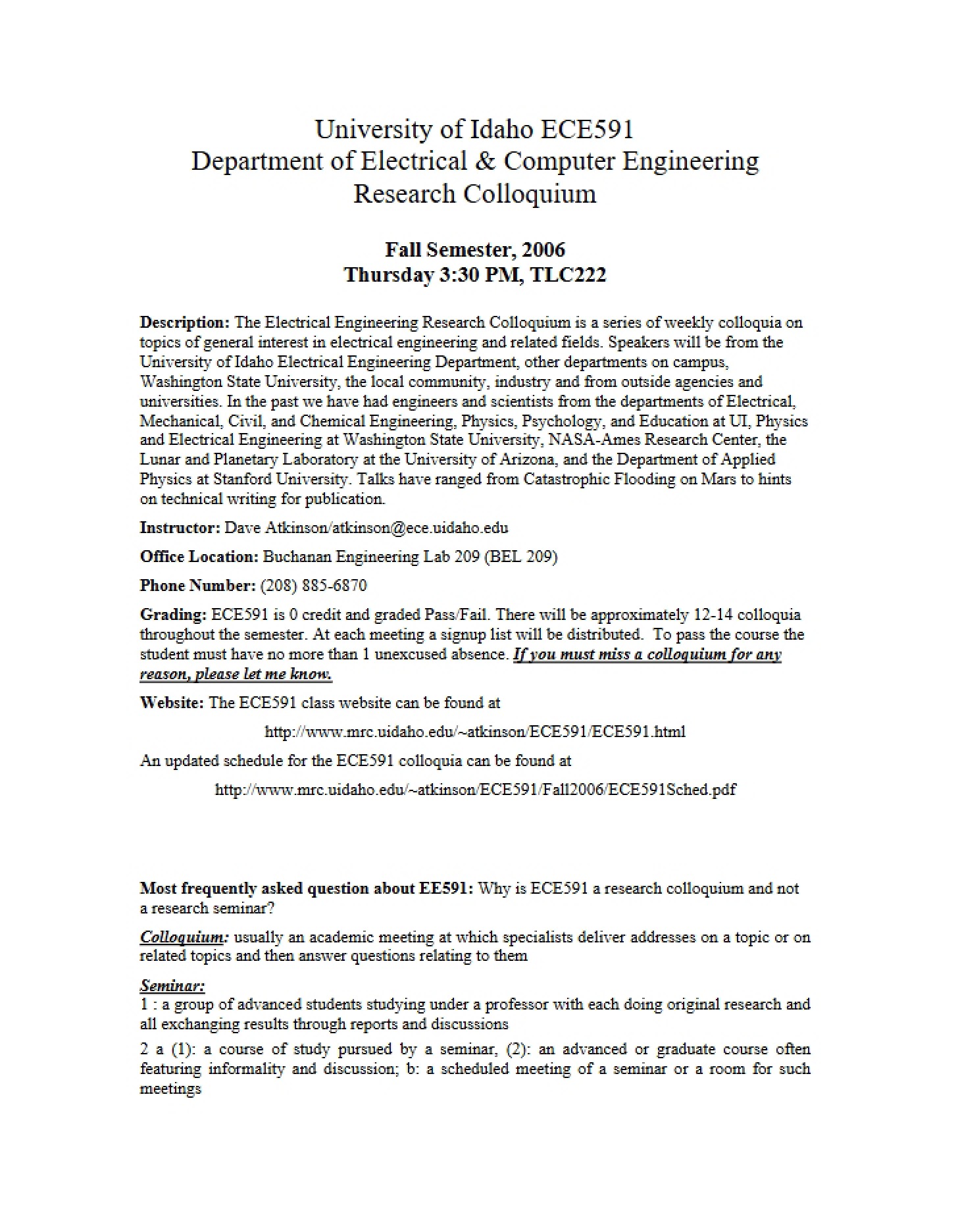
This resource is invaluable for electrical engineering students, particularly those interested in robotics, aerospace engineering, or participating in research opportunities with NASA. It’s especially relevant for students considering involvement in the ECE 591 Electrical Engineering Research Colloquium at the University of Idaho. Prospective students can use this to gauge the program’s focus and determine if their skills and interests align with the available challenges. Faculty advisors can also utilize this to understand the program structure and student expectations.
Topics Covered
* The national goals driving lunar and Martian exploration initiatives.
* The role of robotic missions in preparing for future human space travel.
* NASA’s Lunar Precursor and Robotics Program (LPRP) objectives.
* Specific challenges within the IDAHO RLEP, focusing on robotic manipulation.
* Project specifications and design requirements for student teams.
* Team composition and the integration process with NASA Ames Research Center.
What This Document Provides
* A clear articulation of the program’s connection to NASA’s broader space exploration goals.
* An outline of the types of robotic tasks envisioned for lunar surface operations.
* Details regarding the structure of student teams and faculty involvement.
* A description of the deliverables expected from participating student projects.
* Insight into the criteria used for evaluating project designs, including performance metrics and technical considerations.
* An overview of the resources and support available to students within the program.