What This Document Is
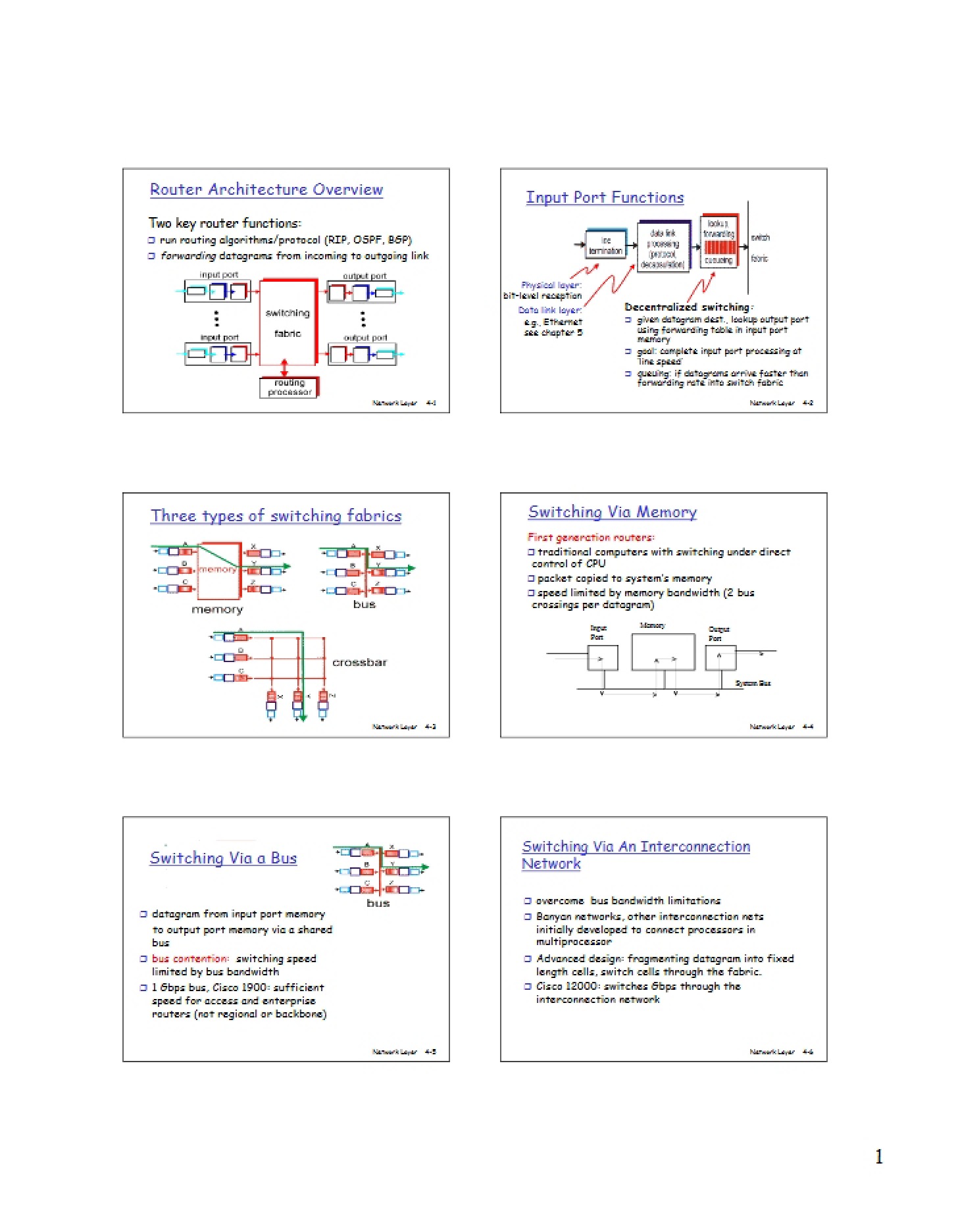
This is a focused exploration of router architecture, a foundational element within the study of computer networks. It delves into the internal workings of routers, moving beyond simply understanding *what* they do to examining *how* they accomplish the critical tasks of routing and forwarding data packets. This material is designed to build a strong conceptual understanding of the components and processes involved in network communication.
Why This Document Matters
This resource is invaluable for students in Computer Networks I (CISC 450) at the University of Delaware, or anyone seeking a deeper understanding of network infrastructure. It’s particularly helpful when you need to grasp the core principles behind data transmission and the architectural choices that impact network performance. Understanding these concepts is crucial for troubleshooting network issues, designing efficient network topologies, and preparing for more advanced networking topics. It serves as a strong base for future coursework and professional development in the field.
Topics Covered
* Switching fabrics and their impact on router performance
* Input and output port functionalities within a router
* Different router architectures and their historical evolution
* The role of queues and buffering in managing data flow
* IP addressing concepts, including subnetting and CIDR notation
* IP datagram formatting, fragmentation, and reassembly
* Methods for obtaining IP addresses (static configuration vs. DHCP)
* Hierarchical addressing and its importance in routing
What This Document Provides
* A detailed overview of the key functions performed by routers.
* An examination of various switching techniques used within router architectures.
* Insights into the trade-offs associated with different architectural designs.
* A foundational understanding of IP addressing schemes and their practical application.
* A conceptual framework for understanding how data is processed and forwarded through a network.
* A basis for understanding network layer functions and their interaction with other layers.