What This Document Is
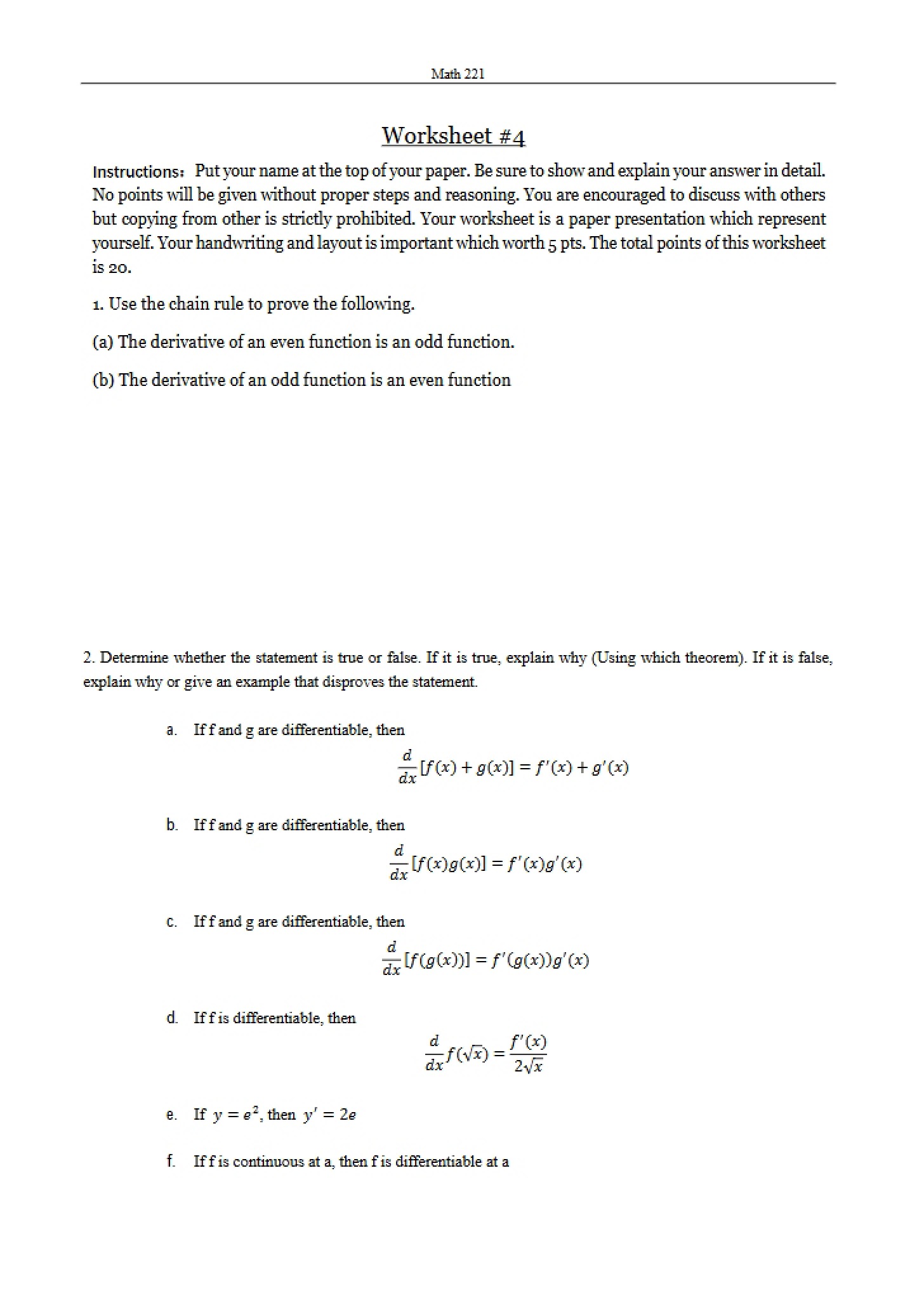
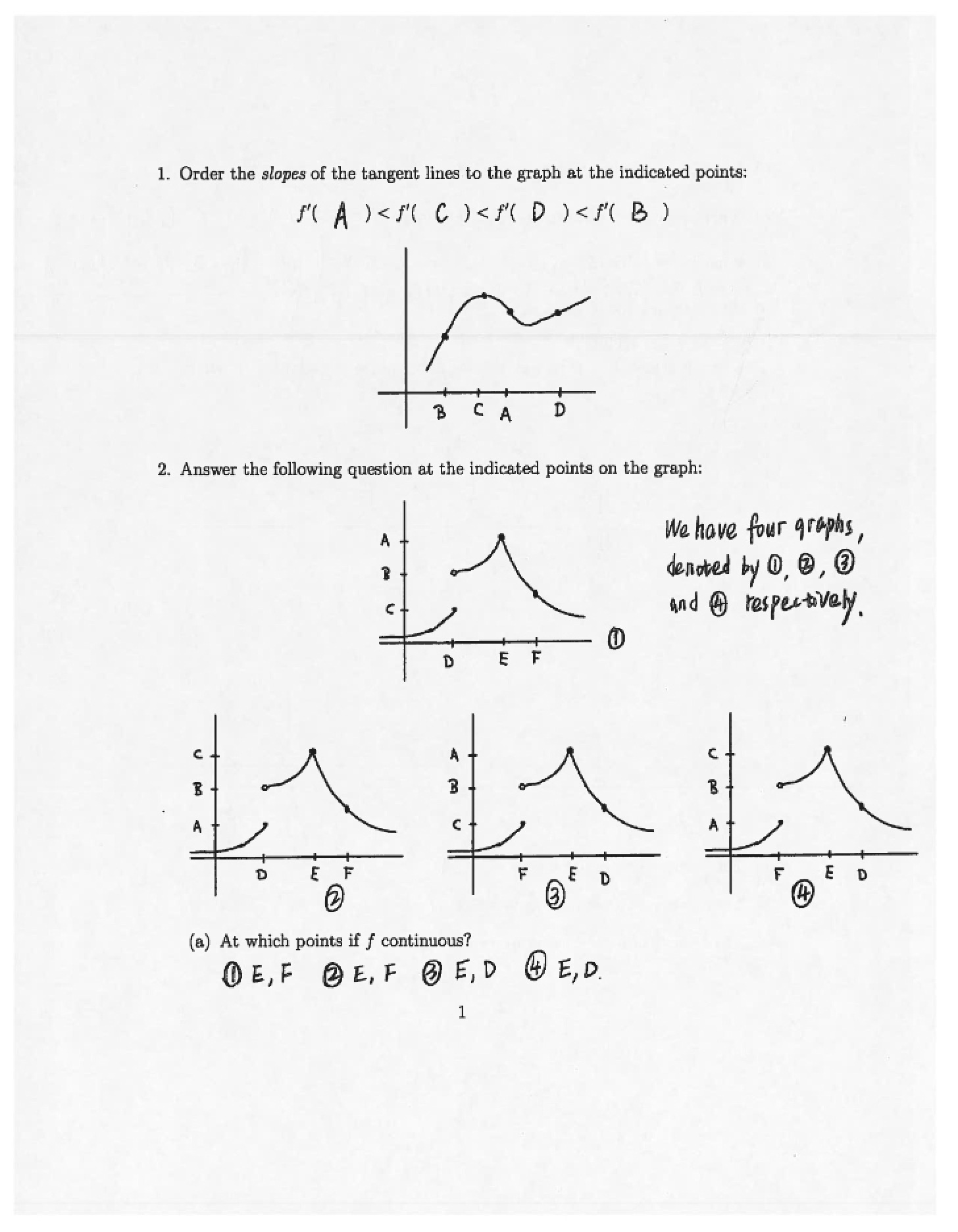
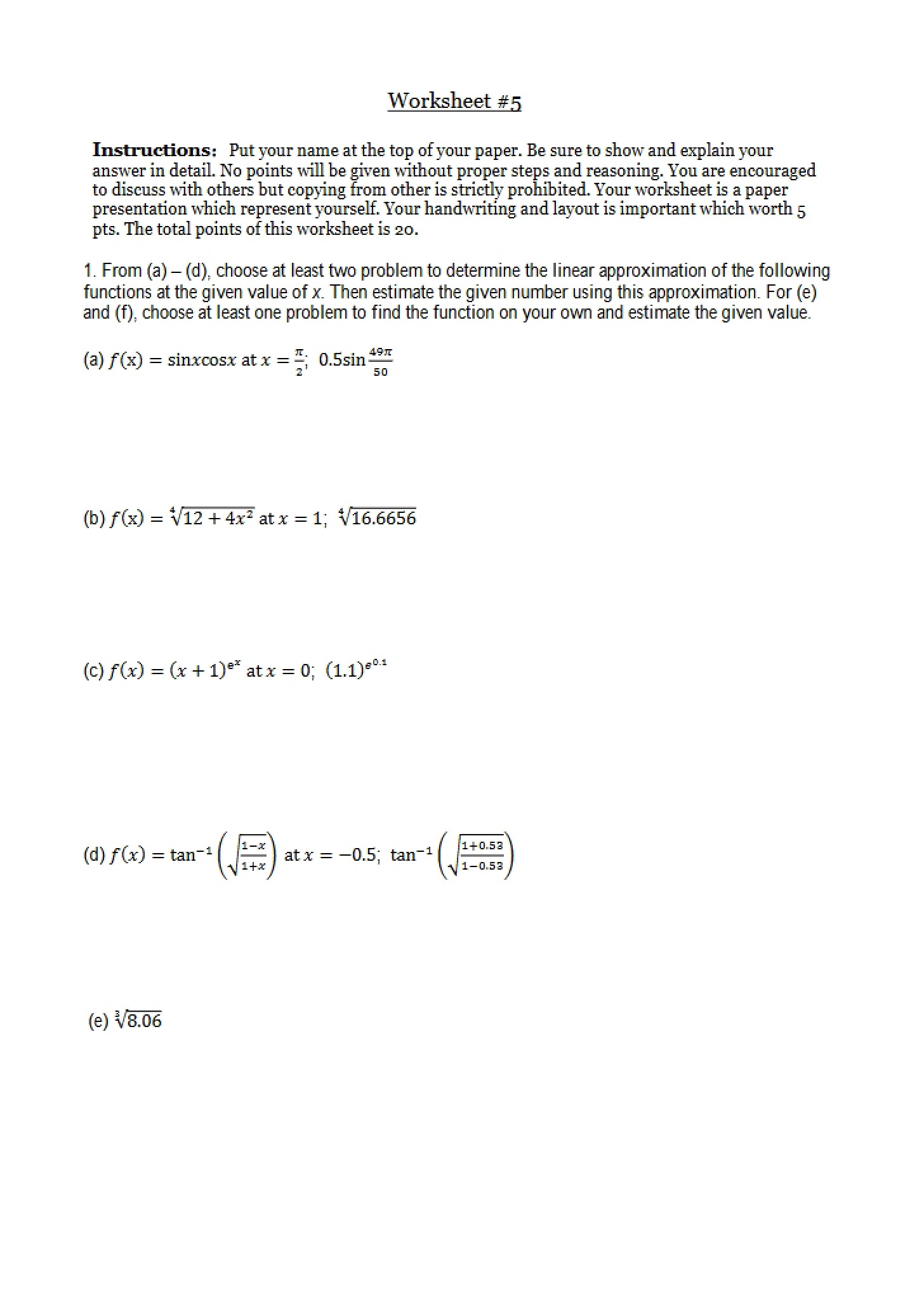
This document provides a focused exploration of differentiation rules, a core component of Calculus I at the University of Illinois at Urbana-Champaign (MATH 221). It builds upon foundational calculus concepts and delves into the practical application of derivatives. Based on *Calculus: Early Transcendentals*, 9th edition, by Stewart, Clegg, and Watson, this resource is designed to solidify your understanding of how to effectively calculate and interpret rates of change. It’s a concentrated guide to mastering the techniques necessary for success in related coursework and problem-solving.
Why This Document Matters
This resource is invaluable for students currently enrolled in Calculus I who are looking to strengthen their grasp of differentiation techniques. It’s particularly helpful when tackling problems involving velocity, acceleration, and related rates. Students preparing for quizzes or exams on differentiation will find this a useful review and practice aid. If you’re encountering difficulties applying derivative rules or understanding their real-world implications, this document offers a structured approach to reinforce your learning.
Topics Covered
* Applications of derivatives in physics, specifically related to motion analysis.
* Introduction to and solving basic differential equations.
* Modeling and analyzing exponential growth and decay phenomena.
* Rates of change in various scientific and social science contexts.
* Techniques for determining and interpreting instantaneous velocity and acceleration.
* Applications of exponential functions to population growth, radioactive decay, and compound interest.
What This Document Provides
* A focused review of key differentiation rules and their applications.
* Illustrative examples demonstrating how derivatives are used to model real-world scenarios.
* A framework for understanding the relationship between a function and its rate of change.
* Exploration of how differential equations can represent and solve problems involving rates of change.
* A foundation for further study in areas such as differential equations and applications of calculus.